Southwala Shorts
- Dreams blur the line between imagination and reality.
- A falling sensation, a voice calling your name, or the feeling of running through a familiar street in a dream, everything feels real until the...
- The reason lies deep inside the brain’s complex wiring, where sensory, emotional, and memory networks interact in unique ways during sleep.
- Dreams mostly occur during REM (Rapid Eye Movement) sleep, a stage marked by vivid brain activity.

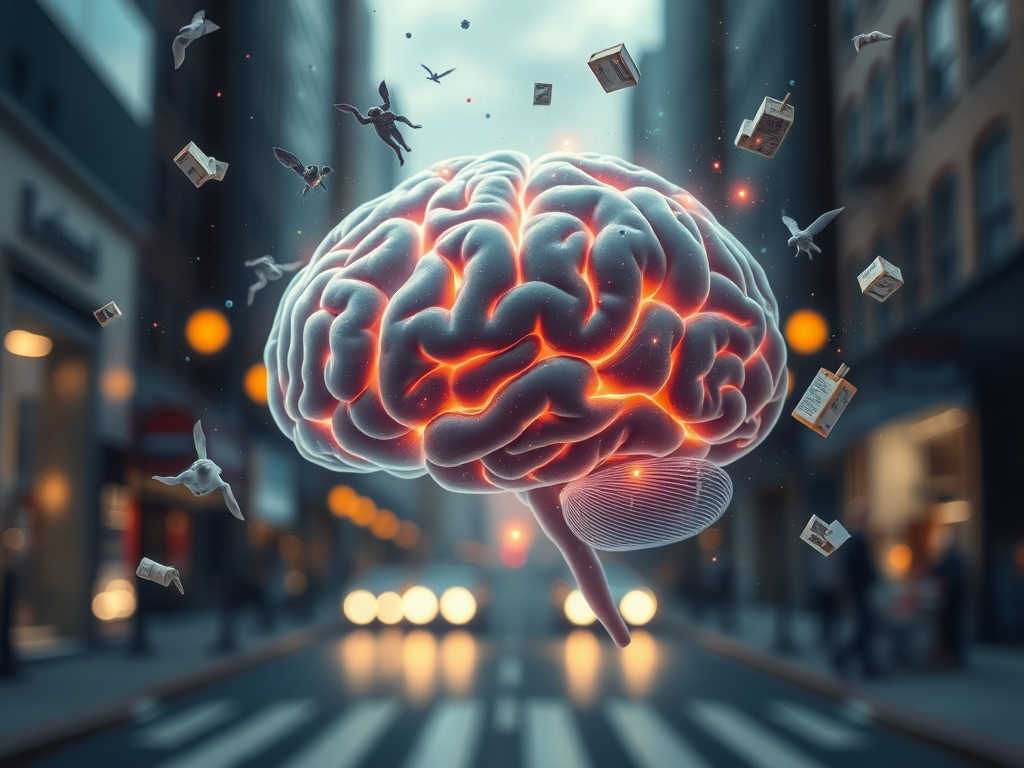
Dreams blur the line between imagination and reality. A falling sensation, a voice calling your name, or the feeling of running through a familiar street in a dream, everything feels real until the moment of awakening. The reason lies deep inside the brain’s complex wiring, where sensory, emotional, and memory networks interact in unique ways during sleep.
The Brain During Dream Sleep
Dreams mostly occur during REM (Rapid Eye Movement) sleep, a stage marked by vivid brain activity. During REM sleep:
- The visual cortex remains highly active, creating detailed images.
- The limbic system, responsible for emotions, lights up strongly.
- The prefrontal cortex, which handles logic and self-awareness, stays less active.
This combination explains why dreams feel emotionally powerful and visually realistic, but often lack rational boundaries.
How the Brain Builds Dream Reality
The brain in REM sleep acts like a movie director. It uses fragments from memory, imagination, and emotion to build immersive experiences.
- Visual signals: The brain’s visual centers simulate light, shadow, and movement even though the eyes are closed.
- Emotional signals: The amygdala, a part of the limbic system, adds intensity to fear, joy, or love felt inside dreams.
- Memory replay: The hippocampus reactivates stored experiences, blending them with imagination.
Because sensory input from the outside world is minimal, the brain’s internal simulation becomes the only “reality” available, making dreams feel completely real.
Why Logic Switches Off in Dreams
In the waking state, the prefrontal cortex constantly checks logic, identity, and context. During dreaming, it goes into a semi-rest mode. That’s why people can fly, talk to strangers from the past, or move through impossible spaces without questioning it.
This suspension of logic allows creativity to thrive many scientific discoveries, art ideas, and music pieces have roots in dreams.
The Role of Chemicals and Neurotransmitters
Neurotransmitters play a major role in shaping dream realism:
- Acetylcholine increases during REM, stimulating visual and memory regions.
- Serotonin and norepinephrine drop, reducing rational control and awareness.
This chemical shift frees the brain to produce vivid imagery and emotional intensity without the limits of waking consciousness.
How Emotions Make Dreams Feel Real
Dreams often reflect unresolved emotions or recent stress. The emotional brain doesn’t distinguish between real and imagined experience. A nightmare about falling can trigger the same heart rate increase as a real fall.
This explains why people wake up sweating or with a racing pulse after intense dreams.
The Fine Line Between Dream and Reality
For a few seconds after waking, the dream’s “reality” lingers. This happens because the thalamus, the brain’s relay center, takes time to re-engage with external sensory input. Until then, fragments of the dream still mix with conscious awareness, causing confusion or vivid memories of the dream world.
Dreams feel real because the brain temporarily replaces the external world with its own internal movie — complete with visuals, sounds, and emotions. Logical filters turn off, while imagination and emotion run free. Neuroscience shows that even in sleep, the brain remains fully alive, constructing its own alternate version of reality.
FAQs
Can dreams create real physical reactions?
Yes, the brain activates parts of the nervous system, leading to a faster heartbeat, sweating, or movement.
Can everyone experience vivid dreams?
Yes, though intensity differs based on stress, sleep patterns, and REM duration.
Can dreams replay real-life memories?
Yes, the brain often combines real experiences with imagination to build dream scenes.
Can emotional stress influence dreams?
Yes, anxiety or trauma can lead to recurring or intense dreams.
Can dreams help creativity?
Yes, reduced logic and active imagination allow new ideas to emerge during dreams.
Author


Discover more from Southwala
Subscribe to get the latest posts sent to your email.