Southwala Shorts
- As children, summer holidays felt endless.
- Waiting for birthdays seemed like a lifetime.
- But as adults, weeks vanish before we realize, and years blur into one another.
- Many people wonder why time appears to move faster as they grow older.

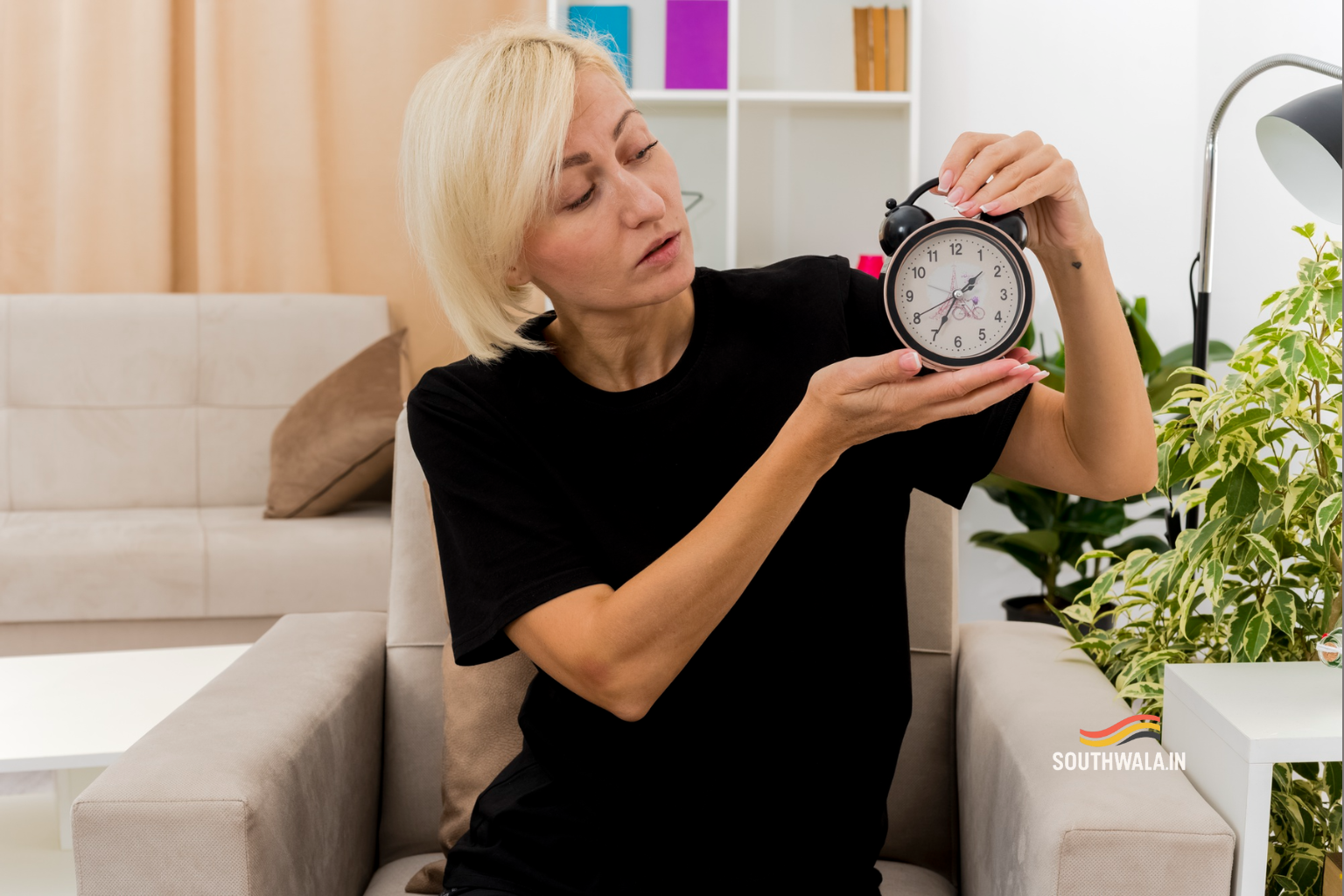
As children, summer holidays felt endless. Waiting for birthdays seemed like a lifetime. But as adults, weeks vanish before we realize, and years blur into one another. Many people wonder why time appears to move faster as they grow older. It’s not imagination; it’s how the brain, memory, and perception of life change over time.
Time itself never speeds up. The way we experience it does.
The Science of Perception
Human brains do not measure time like clocks. They sense it through attention, memory, and novelty. In childhood, every experience is new. The brain pays attention to every sound, color, and emotion, creating dense memories. These memories make time feel full and stretched.
As people age, the brain becomes more efficient. It stops paying attention to familiar things. Routine takes over, and fewer new memories are formed. When fewer memories exist, the brain looks back and feels that less time has passed. In simple terms, new experiences slow time down; repetition makes it disappear.
The Role of Proportion
Psychologists often explain this through the “proportional theory.” At age five, a single year is one-fifth of life. At fifty, it’s one-fiftieth. Each year becomes a smaller fraction of lived experience. This shrinking ratio makes every new year feel shorter than the last.
This is also why childhood feels long; it fills a bigger part of total memory. The older we grow, the smaller each year becomes in comparison to the life we’ve already lived.
The Memory Density Effect
The brain records life in moments of attention, not in hours or days. Vacations, new jobs, and first experiences fill memory with many details. Repetition, such as daily commutes, office routines, or repetitive habits, does the opposite. The brain stops noting details. Later, when people recall a year filled with routine, it feels shorter because there are fewer mental bookmarks to remember.
This is why people often say, “Time flew by this year.” Their memory stored fewer distinct events.
The Role of Emotion
Emotions also shape time. Strong emotional moments love, fear, excitement, and grief, create deep memory imprints. A day filled with emotion feels longer than a month of routine. Children experience intense emotions more often, which adds to their sense of long days.
As adults, emotional variety reduces. Life becomes predictable. Without emotional peaks, the brain compresses memory, making time feel fast.
The Attention Trap
Modern life amplifies the feeling of time speeding up. Constant notifications, multitasking, and information overload fragment attention. People rarely live fully in the present. They move quickly from one task to another without pause. The mind loses awareness of each moment, and unobserved time vanishes from experience.
When attention is divided, time feels shorter because we are never fully aware of it passing.
Novelty as a Time Expander
New experiences act like slow-motion buttons for the brain. Traveling to a new place, learning a new skill, or meeting new people forces the brain to record fresh data. Every detail becomes a memory. These dense moments expand the perception of time.
That’s why the first few months in a new city feel long, but the later years blur together. The more novelty and curiosity we create, the slower time feels.
The Pandemic Reminder
During the pandemic, many people reported that time felt strange. Some days dragged endlessly, others disappeared. This happened because the brain lost its structure of routine, but also lacked new experiences. Without novelty or emotional variation, days became indistinguishable, and memory compressed them into shorter mental periods.
It was a living example of how perception, not the clock, controls time.
How to Slow Down Time Again
Slowing down time is not about changing clocks. It’s about changing awareness. Paying attention to the present moment, noticing details, and engaging in new activities make life feel fuller. Creating small variations in daily life, like taking a different route to work or learning something new, breaks the repetition that shrinks time.
Mindfulness practices, travel, creativity, and genuine human connections all create “memory-rich” experiences that slow time down in perception.
In the end, time feels faster because people stop noticing it. The more alive you are in each moment, the slower it moves.
Frequently Asked Questions (FAQs)
Why does time seem faster as people age
Because the brain forms fewer new memories with age, making periods of time feel shorter in retrospect.
How does routine make time feel shorter?
Routine reduces attention and memory creation, so fewer events stand out when looking back.
Can the feeling of time speeding up be reversed?
Yes, through novelty, mindfulness, and conscious awareness, which make each day distinct.
Do emotions change how time feels
Yes, strong emotions expand perception, while emotional flatness compresses it, making time seem quicker.
Why do new experiences make time feel longer?
Because the brain records more details when something is new, filling the memory and stretching the sense of duration.
Author


Discover more from Southwala
Subscribe to get the latest posts sent to your email.