Southwala Shorts
- NASA often feels like a world reserved for astronauts, scientists, and engineers.
- But the truth is, thousands of ordinary people contribute to NASA’s work every year.
- Whether through student programs, research partnerships, or citizen science, opportunities exist for almost anyone who wants to engage with space exploration and scientific discovery.
- NASA is a government agency, funded by taxpayers, which means its discoveries and programs are meant to serve everyone.

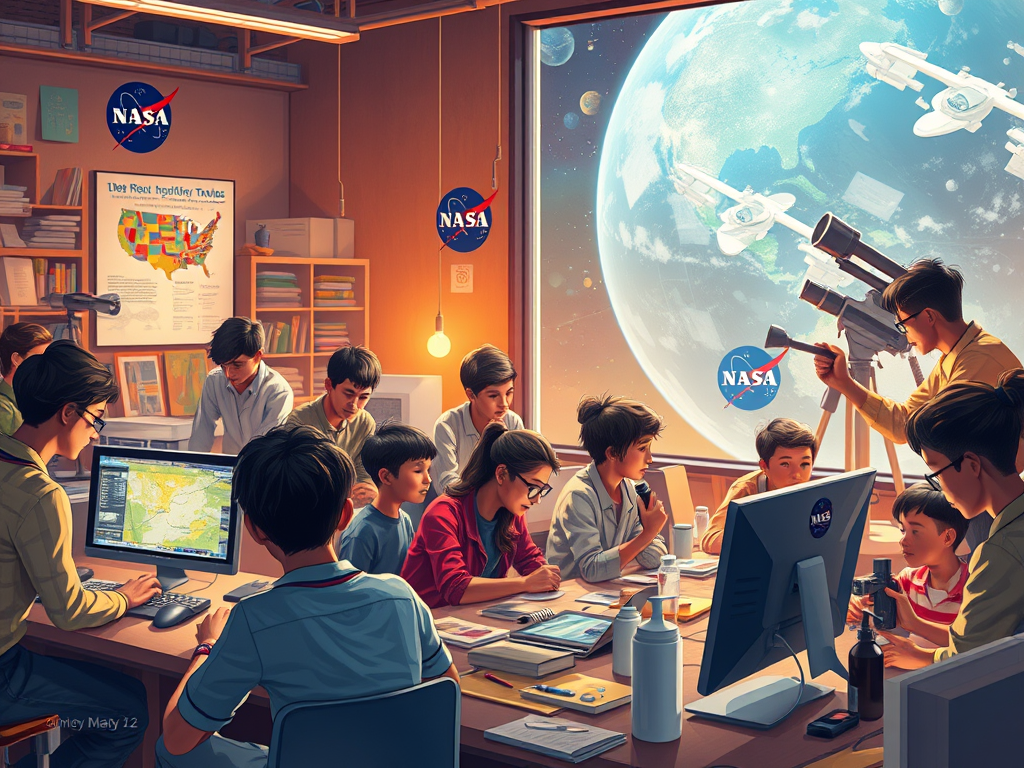
NASA often feels like a world reserved for astronauts, scientists, and engineers. But the truth is, thousands of ordinary people contribute to NASA’s work every year. Whether through student programs, research partnerships, or citizen science, opportunities exist for almost anyone who wants to engage with space exploration and scientific discovery.
NASA’s Open Door to the Public
NASA is a government agency, funded by taxpayers, which means its discoveries and programs are meant to serve everyone. Beyond sending rockets into space, NASA runs education initiatives, offers data access, and invites citizens to take part in research. This open-door approach allows students, teachers, and even hobbyists to get involved.
Student and Internship Programs
NASA offers internships for school students, college undergraduates, and postgraduates. These placements cover a wide range of areas astronomy, engineering, computer science, biology, and even communications. Selected students work with NASA mentors, gaining real-world exposure to ongoing missions.
Example: A university student in India can apply for internships through the NASA Intern Program or collaborate under the NASA International Internship Program, which partners with other countries’ space agencies.
Citizen Science Projects
Citizen science is one of the easiest ways to contribute to NASA’s work. Through digital platforms, volunteers help analyze images, classify space objects, and monitor natural phenomena.
Examples include:
- Planet Hunters: Identifying exoplanets using data from space telescopes.
- Aurorasaurus: Reporting sightings of auroras to help scientists understand space weather.
- Globe Observer: Recording cloud patterns, land cover, and mosquito habitats to support Earth science research.
Even without a science degree, participants make meaningful contributions that often get published in scientific studies.
Research and Academic Partnerships
Universities and research institutes across the world collaborate with NASA. Professors and PhD scholars often co-author papers with NASA scientists. Programs like the NASA Grant and Cooperative Agreement Program fund projects ranging from planetary science to climate research.
For young researchers, publishing work using NASA’s open data sets is a strong first step. NASA makes data from satellites, telescopes, and space missions freely available on its websites.
Public Engagement and Competitions
NASA regularly organizes hackathons, challenges, and contests. The NASA Space Apps Challenge is a global hackathon where coders, designers, and storytellers solve real problems using NASA data.
School students can take part in design contests such as building model rockets or creating science experiments that could fly to the International Space Station.
These events not only spread awareness but also help NASA find fresh ideas from unexpected places.
Why NASA Involves the Public
Engaging citizens increases trust in science, improves education, and builds the next generation of innovators. By involving the public, NASA ensures that its discoveries are not limited to labs and control rooms but reach communities everywhere.
Being part of NASA’s mission is not just for astronauts. From school students to retirees, anyone with curiosity can contribute. Whether through internships, research, citizen science, or public competitions, NASA science has a place for everyone.
FAQs
1. Can students outside the USA join NASA programs?
Yes, through international partnerships, students from countries with agreements can apply.
2. Is a science background compulsory for citizen science projects?
No, many projects only need curiosity and willingness to observe, report, or classify data.
3. Are NASA internships paid?
Most internships in the USA are paid, though payment depends on the program and location.
4. How can teachers benefit from NASA initiatives?
Teachers can access lesson plans, workshops, and classroom material created by NASA’s education division.
5. Can ordinary citizens really make a difference in NASA science?
Yes, many published studies include data collected by volunteers worldwide, proving that contributions matter.
Author


Discover more from Southwala
Subscribe to get the latest posts sent to your email.