Southwala Shorts
- When you look out of an airplane window, you see clouds, endless skies, and a sense of calm.
- But that peaceful view hides a brutal lesson that aviation learned through tragedy.
- The shape of the airplane window, small, rounded, and ordinary-looking, is actually a result of lives lost, redesigns tested, and science learned through failure.
- In the early 1950s, commercial jet travel was the future.

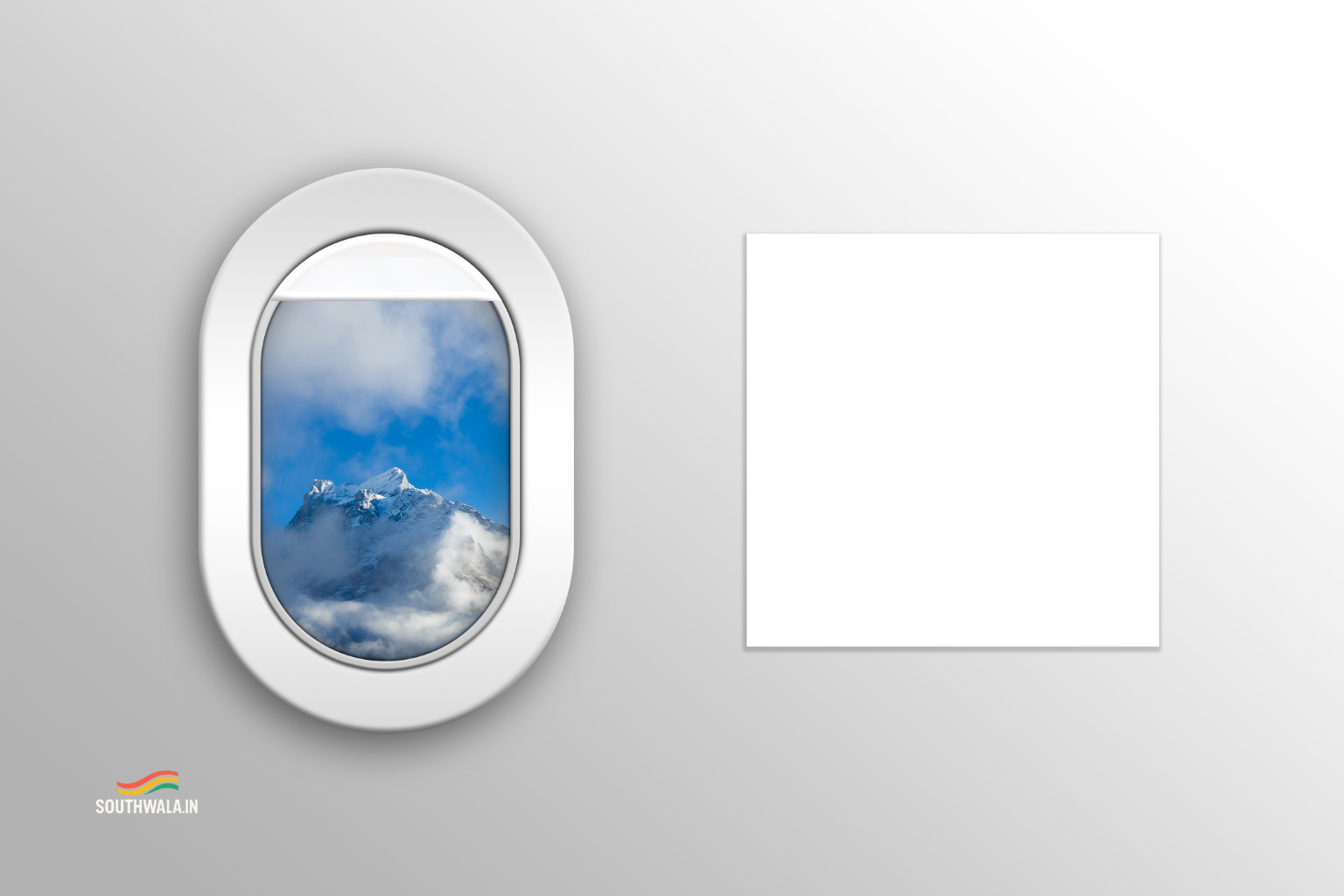
When you look out of an airplane window, you see clouds, endless skies, and a sense of calm. But that peaceful view hides a brutal lesson that aviation learned through tragedy. The shape of the airplane window, small, rounded, and ordinary-looking, is actually a result of lives lost, redesigns tested, and science learned through failure.
The Disaster That Changed the Sky
In the early 1950s, commercial jet travel was the future. The British-built de Havilland Comet took off as the world’s first passenger jet. But within two years, several Comets exploded mid-air without warning. Engineers were confused until they discovered a pattern. Every failure began near the window. Those windows were square, and each corner carried more pressure than the rest of the frame. Over hundreds of flights, invisible cracks began to grow at the corners until the aircraft tore apart in the sky.
This finding was a turning point. The idea of a square window, once convenient and stylish, was abandoned forever.
The Invisible Force That Breaks Metal
At high altitude, an airplane faces an extreme environment. Inside the cabin, pressure is kept close to what humans need to breathe. Outside, the air is thin and freezing. This difference creates constant stress on the aircraft’s skin. Think of blowing up a balloon. As it inflates, the surface stretches. Now imagine doing that every day for years that’s what a jet body goes through.
If you cut small square holes in that balloon, the sharp corners would tear faster because stress collects there. But a round hole distributes the stress evenly. The same logic applies to airplanes. The round window keeps the metal around it strong and prevents fatigue from spreading.
How the Round Shape Keeps Planes Safe
Every airplane window is designed with curves that share the load equally. The shape allows air pressure to move around smoothly instead of attacking a single corner. This reduces the chance of cracks forming under repeated pressurization. Engineers call it “stress flow,” and a round window ensures that the stress flows without breaking the frame.
Modern windows also have three layers that the outer pane that holds the cabin pressure, a middle layer as a backup, and an inner pane to protect passengers. There is even a small hole, known as a bleed hole, between the layers. It equalizes pressure and prevents the window from fogging or cracking due to temperature changes.
Why Engineers Still Swear by the Curve
Even with advanced materials like carbon composites and polycarbonate acrylic, the logic remains the same. The curved window is not a design choice; it’s a survival rule. Whether it’s a Boeing 737 flying from Delhi to Chennai or an Airbus A350 on a transatlantic route, every aircraft follows the same principle. Curves save lives.
In India, where airlines operate thousands of short domestic flights daily, the design’s durability becomes even more critical. Frequent take-offs and landings put stress on the airframe. The round window helps the fuselage live longer and stay stronger through every flight cycle.
The Science Behind a Simple Shape
The reason a round window works so well is based on geometry and material behavior. When pressure acts on a square shape, the force collects at four points the corners. Over time, these points become weak zones. In contrast, a circle has no beginning or end for stress to collect. Every part shares the burden equally. This makes the circular form one of nature’s strongest structures, the same reason bubbles, planets, and even raindrops form in curves.
The Lesson Beyond Aviation
The story of round windows is a reminder that progress is built on learning from mistakes. Each Comet crash in the 1950s forced engineers to reimagine safety. Today, every safe landing carries the wisdom born from that pain. What passengers see as a design detail is actually a promise that lessons from the past are protecting lives today.
The next time you look out of an airplane window, remember that its shape is not a coincidence. It is an engineering apology turned into perfection.
Frequently Asked Questions (FAQs)
Why are airplane windows small in size?
Smaller windows maintain the strength of the aircraft’s body and make it easier to handle cabin pressure differences.
Are airplane windows glass or plastic?
They are made from layered acrylic and polycarbonate materials that can resist cracking and handle temperature changes.
Is it possible for a window to break mid-flight?
It is scarce because every window has three layers and backup systems to hold pressure even if one layer fails.
Why are cockpit windows shaped differently?
Cockpit windows also have rounded corners for safety, but their size and angle differ to allow better visibility for pilots.
Do airplane windows have any safety features we can’t see?
Yes. Each has a pressure-equalizing hole and multiple layers that share the load evenly, preventing condensation.
Author


Discover more from Southwala
Subscribe to get the latest posts sent to your email.