Southwala Shorts
- Everyone has experienced this a conversation from earlier in the day keeps playing in your head.
- You analyze what was said, how you responded, and what you should have said differently.
- It can feel like a broken record of memory and emotion looping on repeat.
- But neuroscience suggests this mental replay is not random.

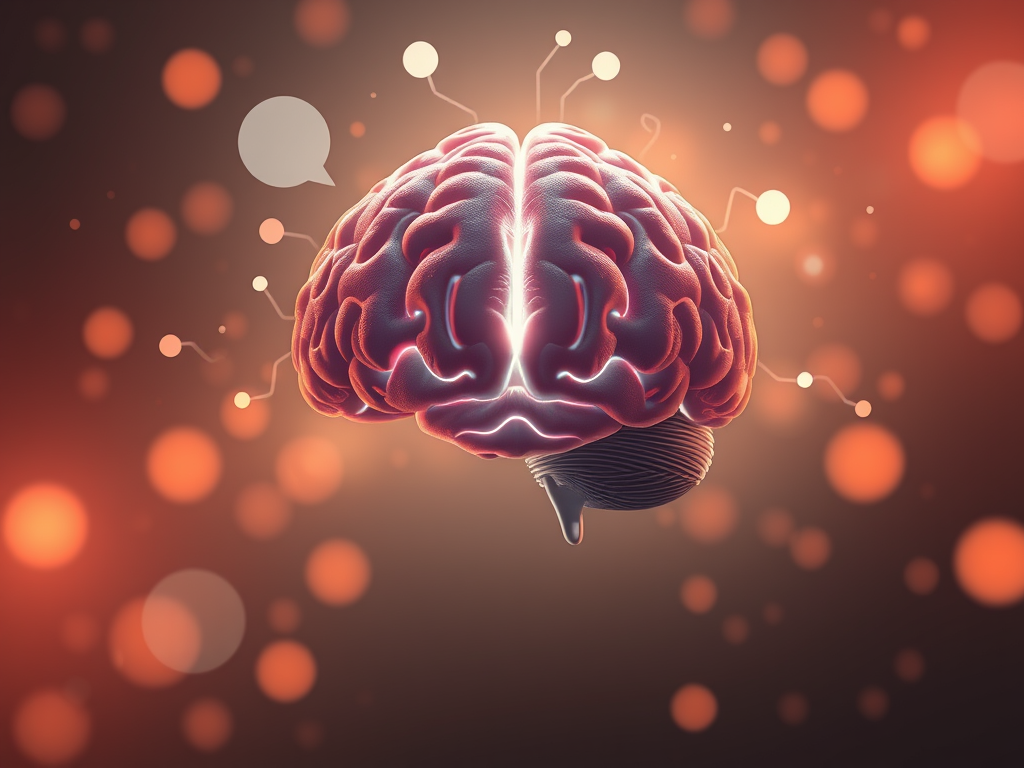
Everyone has experienced this a conversation from earlier in the day keeps playing in your head. You analyze what was said, how you responded, and what you should have said differently. It can feel like a broken record of memory and emotion looping on repeat.
But neuroscience suggests this mental replay is not random. The brain deliberately replays conversations to process emotion, reinforce learning, and refine social understanding. In simple terms, it’s your brain’s way of practicing emotional intelligence.
Memory Consolidation: The Replay Mechanism
After any social interaction, the brain stores the event in short-term memory, mainly within the hippocampus. Later, often during rest or quiet moments, the brain “replays” those scenes not as hallucinations, but as neural activations that mimic the original conversation.
This process is called memory consolidation. It’s similar to how the brain replays a skill you’ve practiced, like a language, a dance move, or driving. But here, the practice is emotional tone, reaction, and meaning.
During these replays, the prefrontal cortex (responsible for reasoning) and the amygdala (the emotional center) communicate to interpret the experience and assign it emotional value guilt, pride, embarrassment, or affection.
So when the conversation plays in your head hours later, your brain isn’t stuck. It’s sorting, labeling, and storing the emotional data.
Emotional Regulation: The Brain’s Way of Self-Training
Conversations that replay most often are the ones that triggered strong emotions conflict, regret, praise, or rejection. The brain replays them because the emotional charge hasn’t settled.
Through repetition, the prefrontal cortex gradually reduces the intensity of emotional signals from the amygdala.
This mechanism explains why something that felt uncomfortable earlier often feels neutral the next day.
In psychological terms, this is cognitive reappraisal the brain’s self-therapy technique. The replay allows you to reinterpret events and calm your emotional state without conscious effort.
The Learning Loop: Social Intelligence in Motion
Every replayed conversation teaches subtle lessons in communication tone, timing, empathy, and perception. The brain uses these replays to simulate “next time scenarios.”
For instance, after a heated discussion with a friend, the replay helps the brain assess:
- Did the response match the intent?
- Could empathy have changed the outcome?
- Was tone or timing the barrier?
These mental rehearsals strengthen the neural circuits responsible for social learning and interpersonal prediction. Over time, this internal feedback loop improves emotional maturity and social fluency.
In a sense, your mind becomes your personal coach replaying, reviewing, and refining how you interact with the world.
The Night Shift: Why Conversations Return Before Sleep
Many people find these mental replays intensify at night. Neuroscientists call this hippocampal replay during rest a process similar to how the brain replays learning from the day to store it as long-term memory.
When you lie quietly, sensory distractions fade, and the subconscious begins organizing emotional memories. This explains why small remarks from the day suddenly surface at midnight not because the mind is restless, but because it’s filing unfinished emotional data.
These nocturnal replays help the brain “cleanse” emotional residue and prepare for cognitive reset.
The Fine Line Between Reflection and Rumination
There’s a healthy and an unhealthy side to replaying conversations.
Healthy reflection helps integrate emotion and improve judgment. But over-analysis known as rumination keeps the brain trapped in emotional repetition without resolution.
In rumination, the same neural circuits fire repeatedly without closure, keeping cortisol levels high and increasing anxiety.
The difference lies in awareness reflection is observation, rumination is obsession.
Simple grounding exercises like journaling or mindful breathing can help the brain complete the emotional loop and move forward.
The Hidden Benefit of Mental Replays
Despite their discomfort, mental replays reveal a powerful truth your brain is trying to make you better. Each replay is an unconscious act of learning turning social noise into emotional intelligence.
So the next time your mind replays an awkward or intense conversation, remember the brain isn’t torturing you. It’s refining you.
FAQs
1. Why does the brain replay conversations repeatedly?
Because it’s processing emotional data and transferring the experience from short-term to long-term memory.
2. Why do conversations replay more often after conflicts?
Because emotionally charged events activate the amygdala, demanding deeper processing before closure.
3. Why do replays feel stronger at night?
Because the brain becomes more reflective when external distractions reduce, allowing emotional memory to surface.
4. Why do replays sometimes reduce stress later?
Because cognitive reappraisal lowers emotional intensity, allowing perspective and peace to form naturally.
5. Why does rumination feel exhausting?
Because repetitive thought without resolution keeps the brain’s stress systems active, depleting mental energy.
Author


Discover more from Southwala
Subscribe to get the latest posts sent to your email.