Southwala Shorts
- Humans have shared their homes with animals for nearly 15,000 years, but the emotional and chemical relationship between humans and pets runs far deeper than...
- Owning a pet doesn’t just change lifestyle; it reshapes brain chemistry, emotional patterns, and even long-term mental health.
- The act of caring for an animal activates the brain’s reward centers, releases neurochemicals that promote happiness, and reduces the body’s physiological stress response.
- In many ways, pets are living antidepressants without side effects.

Humans have shared their homes with animals for nearly 15,000 years, but the emotional and chemical relationship between humans and pets runs far deeper than companionship. Owning a pet doesn’t just change lifestyle; it reshapes brain chemistry, emotional patterns, and even long-term mental health.
The act of caring for an animal activates the brain’s reward centers, releases neurochemicals that promote happiness, and reduces the body’s physiological stress response. In many ways, pets are living antidepressants without side effects.
Oxytocin: The Love Hormone in Action
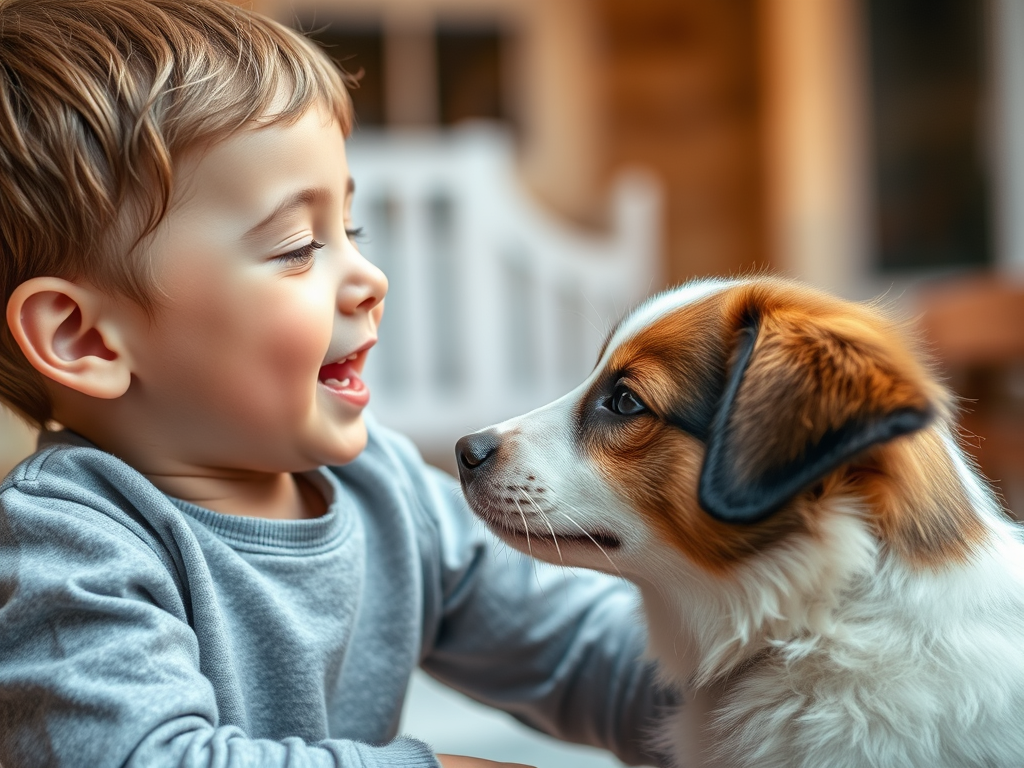
When a dog wags its tail, or a cat curls up beside its human, the brain releases oxytocin, the same hormone responsible for bonding between a mother and her child.
This hormone creates feelings of trust, warmth, and attachment. Studies from the University of Tokyo and Azabu University showed that mutual gazing between dogs and owners increases oxytocin levels in both species. It’s a biological feedback; the more love you give, the more your brain rewards you for it.
This oxytocin surge also reduces anxiety and fear, helping people feel grounded and emotionally stable.
Cortisol Reduction and Stress Regulation
Modern life keeps cortisol, the stress hormone, on constant high alert. Pets act as biological moderators, lowering cortisol levels through touch, routine, and companionship.
Petting an animal for just 10 minutes can significantly reduce cortisol secretion, according to research from Washington State University. The repetitive, gentle motion triggers parasympathetic nervous activity, which tells the brain that “all is safe.”
This explains why therapy animals are increasingly used in hospitals, elderly care, and even corporate environments to regulate emotional states without medication.
Dopamine and Serotonin: The Happiness Pair
Every time a pet greets its owner, plays fetch, or simply sits nearby, the brain rewards that moment with dopamine, the same neurotransmitter activated by music, laughter, or success.
Serotonin, another mood-regulating chemical, also rises during regular interaction with pets. The presence of an animal introduces routine, purpose, and responsibility factors known to stabilize mood swings and reduce depression.
Neuroscientists often call this “behavioral reinforcement through empathy.” The pet-owner bond reinforces positive behaviors like consistency, empathy, and patience, all of which reshape neural pathways over time.
Mirror Neurons and Emotional Synchronization
Humans have a unique set of brain cells called mirror neurons, which allow one to feel what another is experiencing. Pets often trigger these same neurons.
For instance, when a dog looks sad or excited, the owner’s brain unconsciously mirrors that emotion. This synchronization helps build emotional intelligence and sensitivity a reason children who grow up with pets often display higher empathy and social awareness.
The human brain learns to interpret non-verbal signals, tone, and body language better when living around animals skills that extend into human relationships too.
Long-Term Brain Benefits
Consistent interaction with pets doesn’t just improve mood; it alters the long-term neurochemistry of the brain.
Regular pet ownership:
- Reduces amygdala reactivity (the brain’s fear center)
- Strengthens prefrontal cortex control over emotional impulses
- Enhances the brain’s resilience to loneliness and isolation
Older adults who live with pets have been found to maintain sharper cognitive functions and lower dementia risk. In essence, the daily emotional engagement keeps neural circuits active and adaptable.
The Hidden Emotional Architecture
Beyond the science, owning a pet teaches emotional regulation in subtle, daily ways. Feeding schedules train discipline. Caring for a sick animal builds patience. Observing unconditional affection builds gratitude.
Each small act reshapes emotional circuitry, shifting focus from self-centered stress to shared empathy.
That’s why psychologists often describe pets as “emotional stabilizers”. They help the brain rediscover balance through routine love and responsibility.
A pet’s love is not poetic imagination; it’s neurochemical reality.
Every wag, purr, or chirp triggers a cascade of chemical responses that teach the brain to heal, connect, and care.
In a world full of digital noise, pets remain the most natural therapy for the human brain, soft, silent, and profoundly scientific.
FAQs
1. Why do pets make people feel calmer?
Interacting with pets lowers cortisol levels and activates relaxation hormones like oxytocin.
2. Why do pet owners often appear happier?
Because dopamine and serotonin rise during interaction, creating long-term emotional stability.
3. Why do pets improve emotional health?
They offer non-judgmental companionship that helps regulate brain chemistry naturally.
4. Why do pets help during loneliness or grief?
Because mirror neurons and oxytocin pathways simulate emotional connection, reducing isolation and sadness.
5. Why do pets help children and the elderly differently?
Because they shape developing brains through empathy and protect aging brains from decline by keeping emotional circuits active.
Author


Discover more from Southwala
Subscribe to get the latest posts sent to your email.