Southwala Shorts
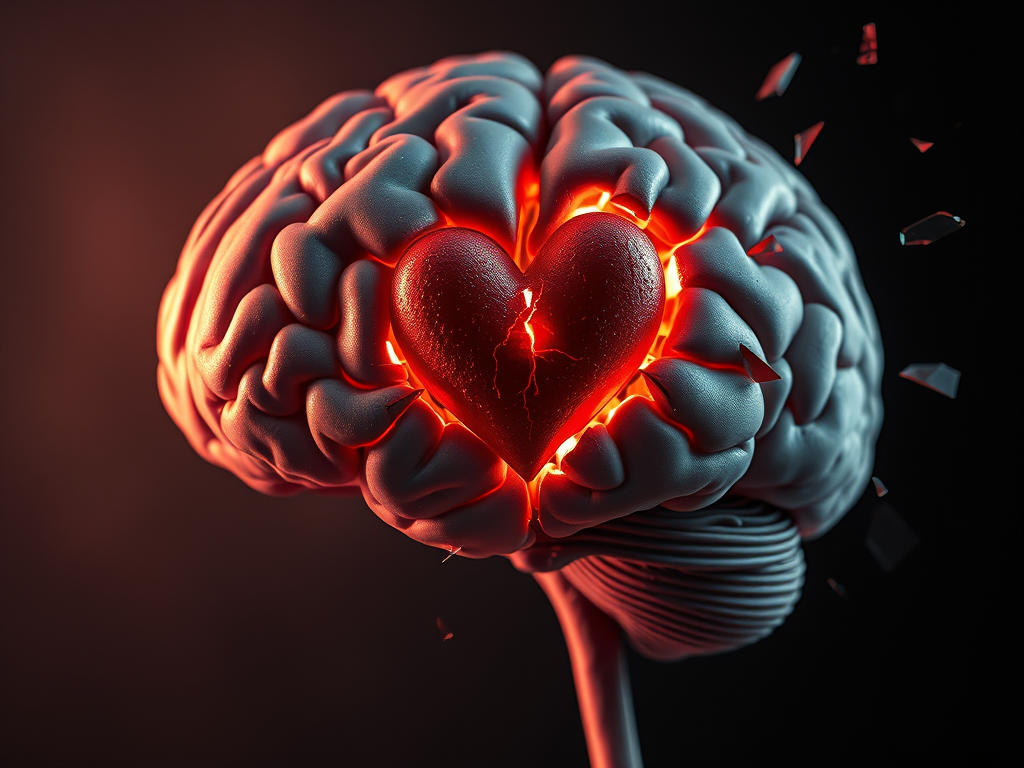
- Heartbreak feels physical because, to the brain, it is.
- Emotional pain activates the same neural regions that process physical injury.
- The brain doesn’t differentiate between a breakup and a burn; both light up the anterior cingulate cortex, the area responsible for emotional suffering and pain...
- This overlap explains why phrases like “broken heart” or “emotional wound” are not poetic exaggerations but biological realities.Heartbreak is the brain’s emergency response to social...

Heartbreak feels physical because, to the brain, it is. Emotional pain activates the same neural regions that process physical injury. The brain doesn’t differentiate between a breakup and a burn; both light up the anterior cingulate cortex, the area responsible for emotional suffering and pain perception.
This overlap explains why phrases like “broken heart” or “emotional wound” are not poetic exaggerations but biological realities.
Heartbreak is the brain’s emergency response to social separation, one of the most intense human experiences.
The Brain on Love and the Crash That Follows
Love functions like a biochemical partnership between three key chemicals, like dopamine, oxytocin, and serotonin.
- Dopamine fuels excitement, reward, and anticipation.
- Oxytocin deepens trust and bonding.
- Serotonin stabilizes mood and calm.
During love, these chemicals surge in harmony, giving the sense of joy, connection, and belonging. When a breakup happens, the brain loses access to this reward cycle.
It feels like withdrawal because it is.
Studies from Columbia University show that heartbreak triggers the same craving and withdrawal symptoms seen in substance addiction. The person becomes the drug, and the loss of them feels like detox.
Dopamine Withdrawal: The Emotional Crash
When love ends, dopamine levels plummet sharply. The ventral tegmental area (VTA), the brain’s reward center, keeps searching for the missing stimulation. This creates obsessive thoughts, repeated checking of messages, and emotional flashbacks.
It’s not weakness; it’s neurology.
The brain is trying to restore a pattern that once produced joy. Over time, with no reinforcement, the neural circuits adapt and stop firing as frequently a process similar to breaking a habit.
This is why no-contact periods and time away from reminders are critical for emotional recovery. The brain needs silence to rewire.
Cortisol Surge: The Body’s Stress Alarm
Heartbreak floods the bloodstream with cortisol, the body’s primary stress hormone. This triggers a cascade of rapid heartbeat, poor sleep, loss of appetite, and even weakened immunity.
The amygdala, responsible for fear and anxiety, becomes hyperactive, amplifying every emotional memory.
This explains sudden waves of sadness or anger that seem to appear without warning.
Long-term heartbreak without emotional regulation can even shrink gray matter in the prefrontal cortex, the region involved in decision-making and control. That’s why people going through heartbreak often act impulsively; the emotional brain overrides the rational one.
The Brain’s Repair Mechanism: Relearning Safety
Over time, the brain initiates recovery through neural rewiring. New pathways form as the individual engages in routine, social connections, and self-care. These activities gradually rebuild dopamine and serotonin balance.
The hippocampus, which records emotional experiences, starts to file the breakup as a completed event instead of an active wound.
Therapists call this process emotional integration; the brain accepts the loss without reactivating pain each time the memory arises.
This repair process can take weeks or months, depending on emotional attachment and support systems, but the direction is always forward.
The Role of Reflection and Meaning-Making
Healing doesn’t erase memory; it transforms it.
Once the brain’s chemical imbalance stabilizes, the prefrontal cortex resumes dominance, allowing rational reflection. The mind begins to reinterpret pain as growth, a lesson, or closure.
That shift from suffering to understanding is neurological evidence of healing.
It means the brain has completed its emotional circuit from chaos to coherence.
How Self-Care and Environment Accelerate Healing
Simple habits proper sleep, physical movement, sunlight exposure, and creative outlets, all support neurochemical balance.
- Exercise boosts endorphins and serotonin.
- Social support reactivates oxytocin in healthy ways.
- Mindfulness and journaling engage the default mode network, helping the brain assign meaning to the experience.
The more consistently these habits are practiced, the faster the brain rewires from pain toward peace.
FAQs
1. Why does heartbreak physically hurt?
Because emotional pain activates the same brain regions that process physical pain, creating real physiological sensations.
2. Why does the mind keep replaying moments from the relationship?
Because the reward circuits linked to dopamine keep searching for the lost stimulus until new patterns form.
3. Why does heartbreak feel like withdrawal?
Because the same reward and craving centers activated by love behave like those affected by addictive substances.
4. Why does healing take time even after moving on mentally?
Because the brain’s chemical balance and neural pathways need weeks or months to normalize fully.
5. Why do healthy routines speed up recovery?
Because exercise, sunlight, and social support stimulate endorphins, serotonin, and oxytocin, the same chemicals that love was once associated with.
Author


Discover more from Southwala
Subscribe to get the latest posts sent to your email.