Southwala Shorts
- Volcanoes are among Earth’s most powerful natural forces.
- They shape continents, create new land, and influence the planet’s climate.
- Many scientists believe that volcanoes do more than erupt fire and ash; they also play a hidden role in cooling the planet by altering the...
- Each volcanic eruption releases a combination of gases and fine particles into the air.

Volcanoes are among Earth’s most powerful natural forces. They shape continents, create new land, and influence the planet’s climate. Many scientists believe that volcanoes do more than erupt fire and ash; they also play a hidden role in cooling the planet by altering the atmosphere after massive eruptions.
The Role of Volcanoes in Climate Regulation
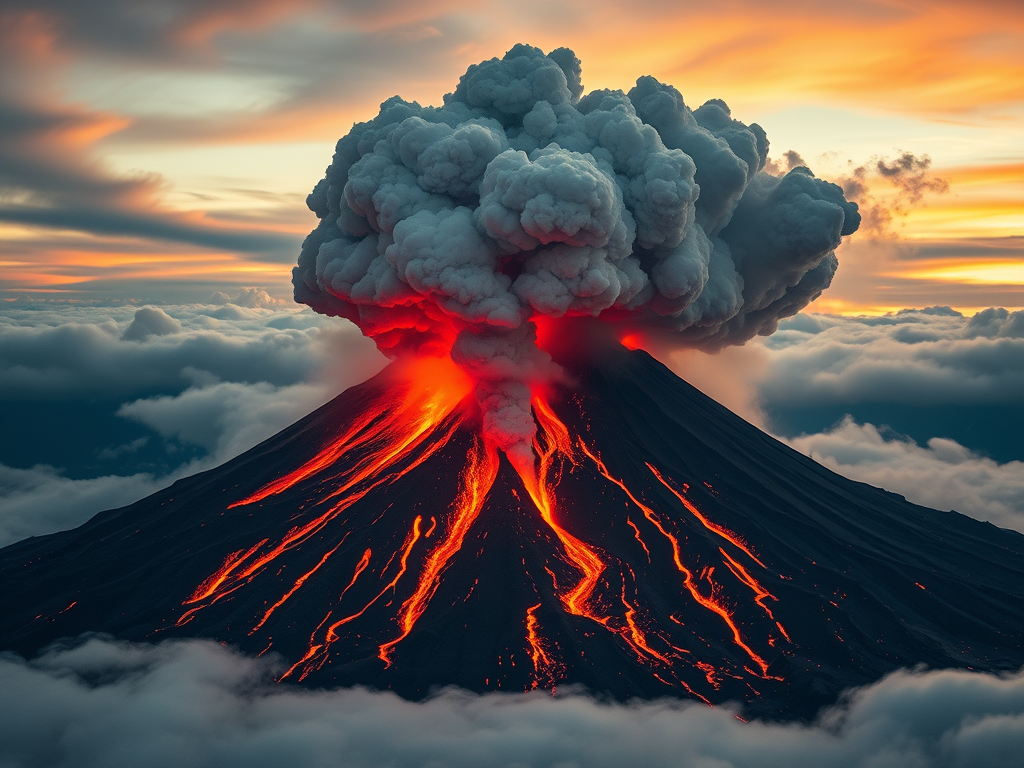
Each volcanic eruption releases a combination of gases and fine particles into the air. These include water vapor, carbon dioxide, sulfur dioxide, and volcanic ash. While carbon dioxide warms the planet, sulfur dioxide does the opposite. When this gas reaches the upper layers of the atmosphere, it reacts with water to form sulfate aerosols.
These aerosols act like tiny mirrors, reflecting a portion of the Sun’s rays away from Earth. As a result, the planet receives less sunlight, and global temperatures temporarily drop.
Historical Evidence of Volcanic Cooling
Several volcanic eruptions in history have demonstrated this cooling effect.
In 1991, Mount Pinatubo in the Philippines erupted and released nearly 20 million tons of sulfur dioxide. Global temperatures fell by about half a degree Celsius for the next two years.
Another famous example was the eruption of Krakatoa in 1883, which caused unusually cold summers and colorful sunsets worldwide.
Such events show that a single large eruption can cool the entire planet for a short period.
How Long the Cooling Effect Lasts
The cooling caused by volcanic eruptions does not last forever. Sulfate aerosols stay suspended in the atmosphere for about one to three years. Once they settle back to the surface, the temperature gradually returns to normal.
Smaller eruptions usually have local effects and do not influence the global climate. Only massive explosions that reach the stratosphere can change global temperatures.
The Double Impact of Volcanoes
Volcanoes act as both warmers and coolers in Earth’s climate system.
Their carbon dioxide emissions contribute to warming, while their sulfur aerosols create cooling. Over millions of years, these two effects have balanced each other out, helping to maintain the planet’s temperature within a range suitable for life.
Without volcanic activity, Earth might have become too cold or too hot to support living organisms.
The Link to Modern Climate Change
Some scientists study volcanic behavior to understand how to manage Earth’s temperature through artificial methods such as geoengineering. The idea is to mimic the reflective effect of volcanic aerosols to slow down global warming.
However, this approach carries risks because human-controlled systems cannot replicate nature’s balance. Although volcanoes can cool the planet for short periods, they cannot reverse the rapid climate changes caused by human carbon emissions.
Volcanoes are a natural part of Earth’s climate system. Through their eruptions, they can lower global temperatures by reflecting sunlight away from the surface. However, their impact is temporary. Over the long term, volcanoes both heat and cool the planet, creating a balance that has allowed life to exist for millions of years.
They serve as a reminder that even destructive natural forces play a role in maintaining Earth’s environmental stability.
FAQs
Can volcanoes reduce global temperature?
Yes, large eruptions can lower temperatures for one to three years by releasing sulfur aerosols.
Can volcanoes influence the climate long-term?
No, the cooling effect fades once aerosols fall from the atmosphere.
Can volcanoes both heat and cool the Earth?
Yes, they emit carbon dioxide that warms and sulfur dioxide that cools the planet.
Can volcanic eruptions offset global warming?
No, human emissions are much higher and continuous, making volcanic cooling temporary.
Can volcanoes be called nature’s climate control system?
Yes, they help regulate temperature balance over geological timescales.
Author


Discover more from Southwala
Subscribe to get the latest posts sent to your email.