Southwala Shorts
- Fashion is often seen as an expression of art, identity, and culture, but its foundation lies in something much simpler-climate.
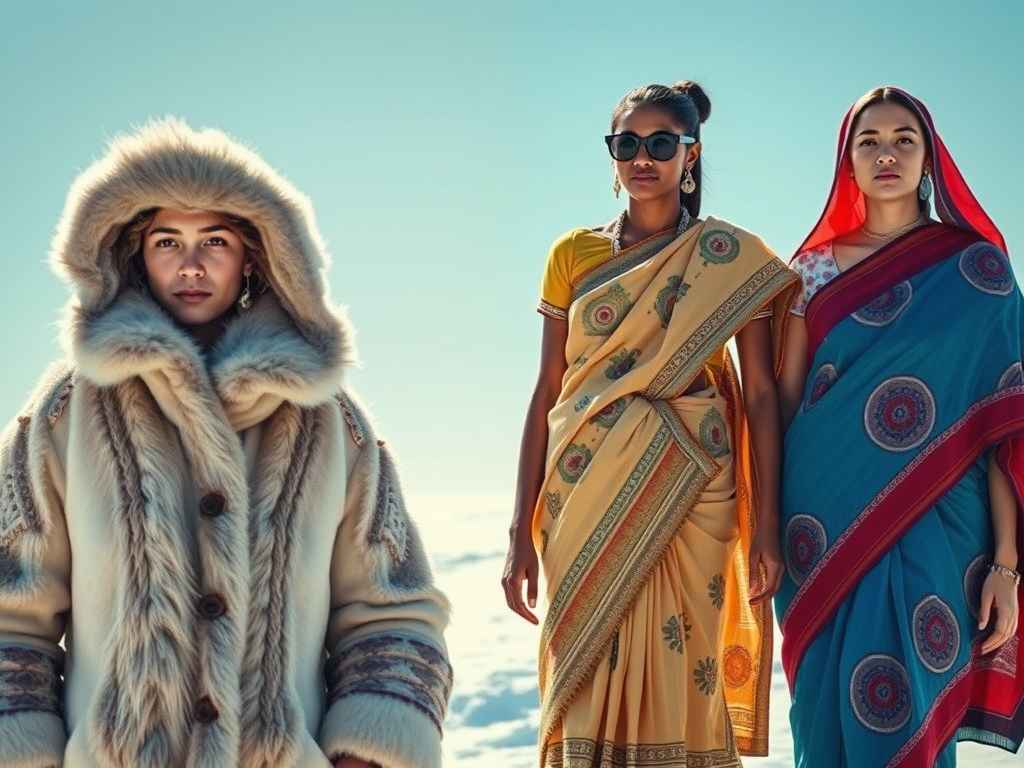
- From the heavy wool coats of Scandinavia to the light cotton sarees of India, every style is born out of the environment people live in.
- Climate doesn’t just influence fabric choices; it defines the very way societies dress, adapt, and evolve.
- The first influence of climate on fashion comes through temperature and seasonal variation.

Fashion is often seen as an expression of art, identity, and culture, but its foundation lies in something much simpler-climate. From the heavy wool coats of Scandinavia to the light cotton sarees of India, every style is born out of the environment people live in. Climate doesn’t just influence fabric choices; it defines the very way societies dress, adapt, and evolve.
The Relationship Between Weather and Wardrobe
The first influence of climate on fashion comes through temperature and seasonal variation. Regions with extreme cold developed heavy, layered clothing to retain warmth, while tropical regions turned to breathable fabrics that allow airflow and comfort. Over centuries, these practical needs became cultural identities.
For example:
- In India, cotton and linen dominate because they suit the humid and warm conditions.
- In Japan, kimono fabrics evolved from silk blends suited to both humid summers and cool winters.
- In northern Europe, wool and fur became essential for survival in harsh winters.
Fashion, therefore, is a reflection of how humans make peace with nature.
The Arctic to the Equator: Dressing for Survival
In polar regions, people depend on insulation more than style. Traditional Inuit clothing made from animal skins and fur is scientifically designed to trap body heat and resist moisture.
As one moves toward the temperate belts, fashion becomes more transitional coats and scarves dominating in winter, while lighter fabrics take over in summer. In tropical regions, lightweight, loose, and bright-colored clothing reflects sunlight and keeps the body cool.
These climate-based choices later influence global trends, from puffer jackets in Europe to cotton resort wear across Asia.
Climate and Cultural Identity
Climate-driven clothing often transforms into cultural symbolism. In desert nations like Saudi Arabia, flowing robes and head coverings not only protect from heat and sand but also represent modesty and tradition.
In contrast, Mediterranean nations like Greece and Italy evolved a fashion that emphasizes comfort and color inspired by the sun, sea, and open-air lifestyle.
Thus, weather creates the first blueprint, and culture turns it into identity.
Climate Change and Modern Fashion
In the modern world, climate continues to shape fashion differently through sustainability. The fashion industry faces pressure to respond to changing global temperatures, rising humidity, and unpredictable seasons.
Designers now experiment with:
- Adaptive fabrics that respond to temperature changes.
- Eco-friendly fibers such as bamboo, hemp, and organic cotton.
- Local sourcing to reduce carbon footprints and encourage regional textile revival.
Climate change is now not just an environmental issue but a creative force pushing fashion toward innovation.
Fashion Capitals and Climate Aesthetics
Even global fashion capitals mirror their weather conditions:
- Paris blends elegance with layered clothing suited for mild winters.
- New York showcases structured outerwear for its long, cold season.
- Milan reflects Mediterranean warmth with breezy, sun-inspired palettes.
- Mumbai represents tropical vibrancy through cottons and silks that suit humid conditions.
In this way, the world’s climate zones create not just different styles but different attitudes toward beauty and comfort.
Climate has always been the silent designer behind global fashion. It determines fabric, silhouette, and color long before trends are born. In a time when fashion is becoming globalized, understanding the role of climate reminds us that style is not just about expression; it’s also about adaptation and survival. From snow boots to beach sandals, every piece of clothing tells the story of the environment that shaped it.
FAQs
Can climate influence fabric choice in fashion?
Yes, warmer regions use light fabrics like cotton or linen, while colder areas depend on wool and fur.
Can traditional clothing be linked to weather conditions?
Yes, most traditional attire evolved to suit local climates before becoming cultural symbols.
Can global warming affect fashion trends?
Yes, designers now focus on sustainable fabrics and adaptable clothing as weather patterns shift.
Can people in different climates share similar styles?
Yes, globalization allows trends to travel, but materials often change to fit local climates.
Can climate change lead to innovation in textiles?
Yes, new smart fabrics are being created to adjust to temperature and humidity automatically.
Author


Discover more from Southwala
Subscribe to get the latest posts sent to your email.