Southwala Shorts
- As pet parents, we all want our furry companions to stay healthy and happy.
- But pets cannot tell us when they feel unwell.
- Often, the signs of illness are subtle in the early stages.
- Learning to recognise these signs can make all the difference in getting your pet the care they need.

Highlights
- Why early detection of illness in pets can save their lives.
- Subtle signs pet owners often miss.
- How behaviour, appetite and appearance can signal trouble.
- When to seek a vet immediately.
- Practical tips for regular health checks at home.
As pet parents, we all want our furry companions to stay healthy and happy. But pets cannot tell us when they feel unwell. Often, the signs of illness are subtle in the early stages. Learning to recognise these signs can make all the difference in getting your pet the care they need.
Changes in Eating and Drinking Habits
One of the first signs of illness is a change in appetite or thirst.
- Loss of appetite: If your dog or cat skips meals for more than 24 hours, it is a warning sign.
- Increased thirst: Drinking more water than usual could point to kidney disease, diabetes or hormonal issues.
- Sudden cravings: Some pets start eating unusual things like dirt or paper, which may indicate a nutritional deficiency.
Sudden Behavioural Changes
Pets usually have consistent behaviour patterns. A sudden shift can be a sign something is wrong.
- Lethargy: If your energetic dog suddenly prefers sleeping all day, it could be due to infection or pain.
- Aggression or withdrawal: A normally friendly pet becoming snappy or hiding often signals discomfort.
- Restlessness: Constant pacing or inability to settle could mean pain or anxiety.
Physical Signs You Should Not Ignore
Many illnesses show up in your pet’s appearance or body movements.
- Weight loss or gain without changes in diet or exercise.
- Changes in coat or skin like hair loss, dull fur, redness or sores.
- Persistent scratching or licking could mean allergies or skin infections.
- Bad breath can be a sign of dental disease or internal problems.
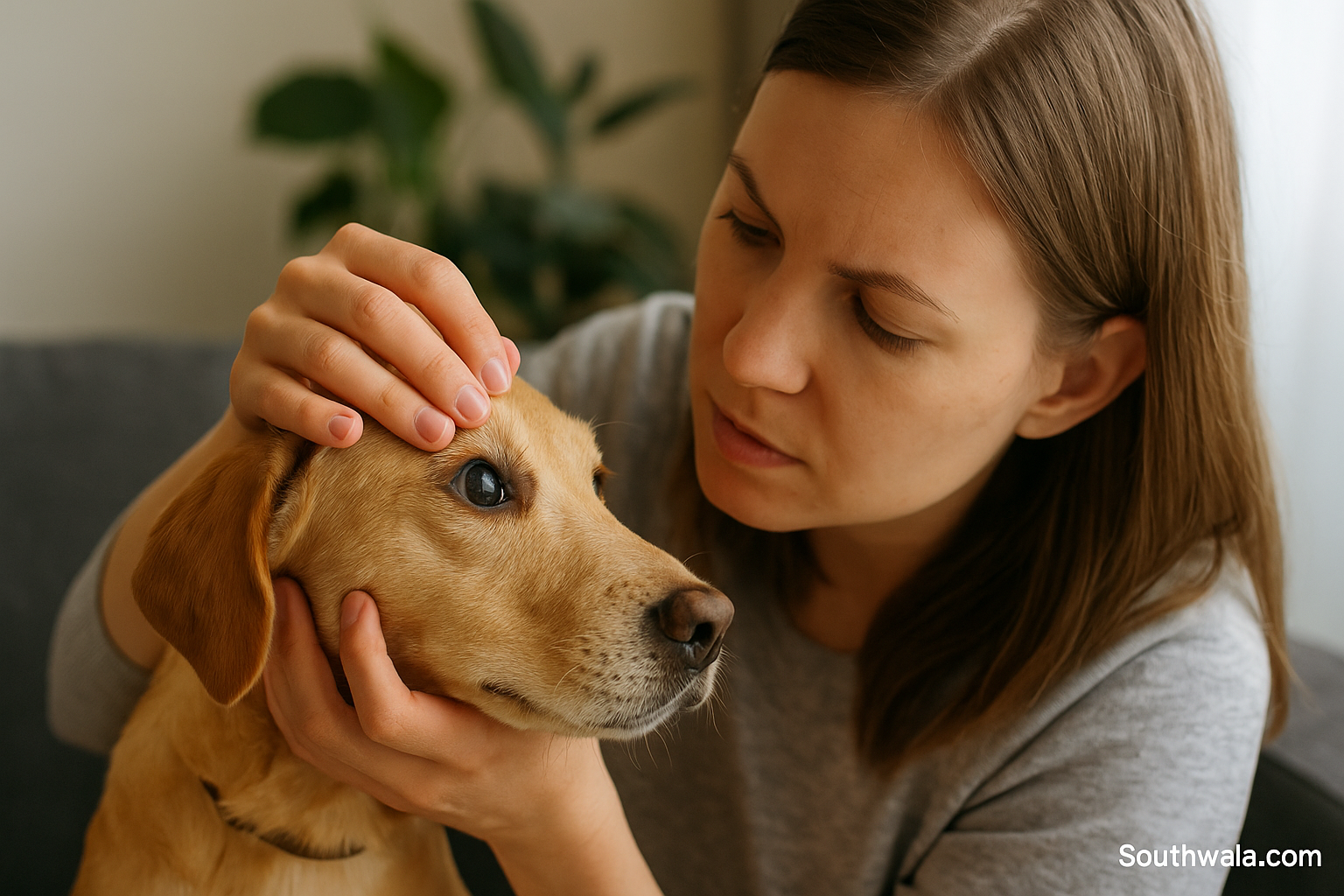
- Changes in eyes like redness, cloudiness or excessive tearing.
Problems with Mobility
If your pet starts limping, walking stiffly, or avoiding stairs, it may be due to arthritis, injury or other joint problems. Even small changes in how they move should be checked.
Changes in Bathroom Habits
Litter box or toilet routine changes can signal health issues.
- Diarrhoea or constipation lasting more than a day.
- Blood in urine or stool which needs urgent veterinary attention.
- Straining to urinate can be life-threatening in cats and requires immediate care.
Breathing Issues
Any change in breathing pattern such as coughing, wheezing, rapid breathing or shortness of breath can be a sign of heart, lung or throat problems.
When to See a Vet Immediately
Seek urgent veterinary help if you notice:
- Sudden collapse or loss of consciousness
- Seizures
- Difficulty breathing
- Continuous vomiting or diarrhoea
- Inability to urinate or pass stool
How to Monitor Your Pet at Home
- Regular check-ups: Run your hands over your pet’s body weekly to feel for lumps, bumps or injuries.
- Keep a health diary: Note changes in appetite, energy levels and habits.
- Weigh them regularly: Sudden weight changes are easy to miss if you do not track them.
FAQs
1. How often should I take my pet for a check-up?
At least once a year, or twice a year for older pets.
2. Can small changes really be serious?
Yes. Early signs often look harmless but can signal bigger problems if ignored.
3. Are home remedies safe for sick pets?
Not without a vet’s advice. Some human medicines and foods are toxic to animals.
4. Should I wait to see if my pet gets better on its own?
If symptoms last more than 24 hours, it is safer to get a vet’s opinion.
5. Do pets hide their pain?
Yes. Many animals instinctively hide pain, which is why observation is important.
Author


Discover more from Southwala
Subscribe to get the latest posts sent to your email.