Southwala Shorts
- High heels are often seen as fashion statements, symbols of confidence, elegance, and sometimes discomfort.
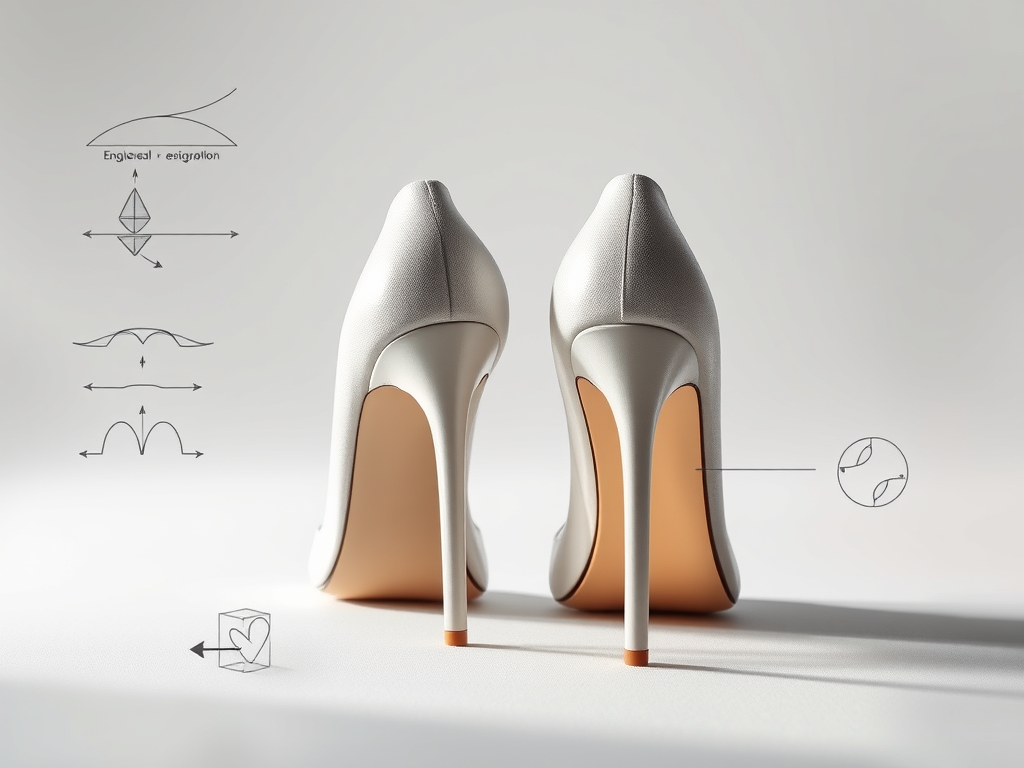
- But behind every pair lies a surprising amount of physics, biomechanics, and structural design.
- The balance between style and stability in high heels is not accidental; it is carefully engineered.
- From the curvature of the arch to the pressure distribution on the sole, every millimeter matters.

High heels are often seen as fashion statements, symbols of confidence, elegance, and sometimes discomfort. But behind every pair lies a surprising amount of physics, biomechanics, and structural design. The balance between style and stability in high heels is not accidental; it is carefully engineered.
From the curvature of the arch to the pressure distribution on the sole, every millimeter matters. Designers and engineers collaborate to ensure that heels not only look appealing but can also withstand body weight, motion stress, and balance dynamics. Understanding the hidden engineering behind high heels reveals why they are both marvels of design and challenges for comfort.
The Science of Balance
Walking in heels requires maintaining equilibrium over a much smaller surface area. When the heel height increases, the center of gravity shifts forward, forcing the body to compensate by arching the back and bending the knees slightly.
Engineers design high heels to counter this shift. The base of the heel must align precisely under the ankle bone to maintain vertical stability. Even a deviation of a few millimeters can cause wobbling or ankle strain.
For instance, a 4-inch heel can move up to 80% of body weight toward the front of the foot. That means the forefoot must bear immense pressure. Hence, designers build the insole and toe box with materials that distribute pressure evenly while maintaining aesthetic slimness.
The Role of Materials and Structure
Behind every fashionable design lies a foundation of material science. The heel’s core structure, known as the shank, functions like a bridge support. It’s usually made from steel, carbon fiber, or reinforced plastic to absorb shock and provide rigidity.
- Steel shanks are preferred for durability, but add weight.
- Carbon fiber shanks are lighter and stronger, ideal for high-end brands.
- Thermoplastic polyurethane (TPU) materials are used for flexibility and cost efficiency.
The outsole, the part in contact with the ground, often uses rubber or synthetic blends for grip, while the heel tip includes a replaceable rubber cap to prevent slipping and wear.
In premium heels, engineers even consider vibration absorption, using layered insoles that mimic car suspension systems to reduce foot fatigue.
The Geometry of Comfort and Pain
The angle of elevation in a high heel determines both elegance and comfort. The ideal incline is between 10° and 20°, where the arch supports body weight without causing excessive strain on the metatarsal bones.
Beyond this range, the body begins to tilt forward, leading to increased pressure on toes, calf tightening, and balance difficulty. Designers often use computer simulations to calculate the most ergonomic incline while keeping the shoe’s visual appeal intact.
Mathematically, for every inch of heel height, the load on the ball of the foot increases by approximately 20%. That means a 4-inch heel transfers nearly 80% of the pressure forward an insight that shapes how engineers design cushioning systems.
Hidden Mechanisms Inside the Heel
The slender heel that appears purely decorative is actually a mini structure of precision engineering.
Inside the heel column lies a reinforced rod or dowel that connects to the shank plate for stability. The attachment point is tested for load-bearing strength to ensure it can handle dynamic motion like walking or turning.
Luxury brands perform torsion and flex tests, bending heels thousands of times to simulate years of usage. The results decide the optimal angle between the heel and outsole typically between 70° and 85°.
Even the heel shape (stiletto, block, wedge, or kitten) follows a mechanical principle:
- Stiletto heels use concentrated force to create a sharp, graceful posture.
- Block heels distribute load evenly, improving comfort and reducing fatigue.
- Wedge heels extend support along the full foot length, mimicking natural walking.
Biomechanics of Walking in Heels
Walking in high heels transforms natural gait mechanics. Normally, the heel strikes the ground first, followed by the midfoot and toes. In high heels, the forefoot becomes the first point of contact, changing muscle engagement and posture.
The calf muscles and Achilles tendon shorten slightly, while the quadriceps work harder to stabilize motion. Over time, frequent heel wearers develop muscular adaptations that make walking in heels seem effortless.
Biomechanical engineers use motion capture to analyze this movement pattern, adjusting heel angles and cushioning thickness to reduce strain on joints.
Technology Meets Fashion
Modern brands are now integrating technology into heel design.
- 3D printing allows micro-precise customization based on foot scans.
- Pressure mapping sensors help test how weight shifts across different heel shapes.
- Smart insoles with memory foam adapt to each step, improving comfort and reducing fatigue.
Startups in Italy, Japan, and India are experimenting with bio-mechanical heels with adjustable structures that can change height or curvature for different terrains or body postures. This blend of engineering and fashion is redefining what high heels can be.
Cultural Design Meets Engineering Logic
Indian designers like Sabyasachi and international houses like Christian Louboutin approach heel design as both art and architecture. While one focuses on embroidery and aesthetic detail, the other emphasizes structural innovation red soles, pressure balance, and arch precision.
Even traditional footwear like Indian mojaris is being reimagined using heel engineering principles, blending cultural design with ergonomic science.
The Trade-Off: Beauty vs. Biomechanics
Despite advanced engineering, high heels still pose trade-offs. Continuous use can cause issues like plantar fasciitis, bunions, or knee strain. Yet, their cultural symbolism, power, height, and elegance keep them relevant.
Engineers and designers now work toward “adaptive balance”: achieving aesthetics without compromising health. The ideal high heel of the future may no longer force a choice between comfort and style.
High heels are more than fashion accessories; they are mechanical masterpieces of balance, physics, and human anatomy. Each curve, stitch, and angle follows mathematical precision.
Behind the allure lies the science of load distribution, material dynamics, and biomechanical control, proving that engineering elegance is not confined to skyscrapers or spacecraft but can live quietly beneath one’s feet.
FAQs
1. How can heel height influence body posture?
Higher heels push the body’s center of gravity forward, forcing the spine and knees to adjust posture for balance.
2. How can materials affect heel comfort?
Lightweight materials like carbon fiber or TPU provide flexibility and reduce pressure on the arch, improving comfort during long wear.
3. How can designers test heel stability?
Designers perform load-bearing, torsion, and flex tests to ensure the heel can handle repetitive stress without bending or breaking.
4. How can frequent heel use affect the body?
Prolonged heel wear can tighten calf muscles and alter foot alignment, leading to potential strain or fatigue over time.
5. How can technology improve future high heels?
Advanced materials, 3D printing, and smart insoles allow precise balance, pressure control, and adaptive comfort based on movement.
Author


Discover more from Southwala
Subscribe to get the latest posts sent to your email.