Southwala Shorts
- Stress doesn’t just live inside the mind; it often shows up on the skin.
- From acne breakouts and rashes to itching and dullness, mental stress and skin health are deeply connected.
- Science today proves that emotional tension can alter how the body’s largest organ, the skin, behaves and heals.
- The skin and brain share a close biological link because both develop from the same layer of cells in the embryo, known as the ectoderm.

Stress doesn’t just live inside the mind; it often shows up on the skin. From acne breakouts and rashes to itching and dullness, mental stress and skin health are deeply connected. Science today proves that emotional tension can alter how the body’s largest organ, the skin, behaves and heals.
The Brain–Skin Connection
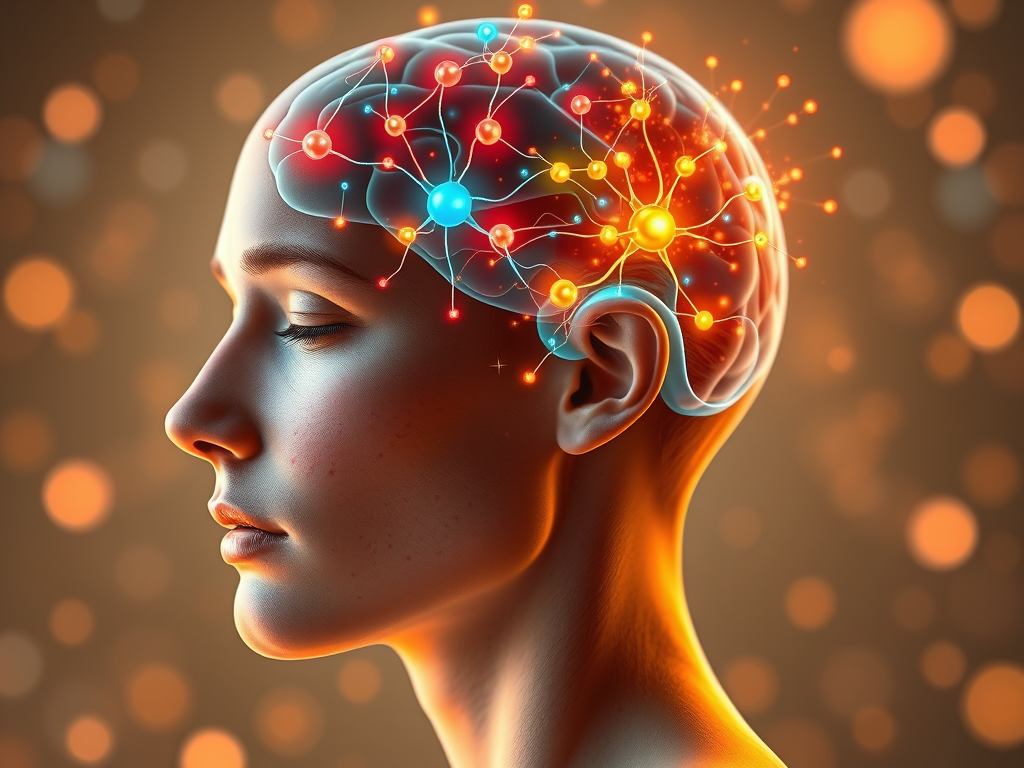
The skin and brain share a close biological link because both develop from the same layer of cells in the embryo, known as the ectoderm. This connection continues throughout life through a network called the brain-skin axis.
When the brain senses stress, it sends chemical signals hormones like cortisol and adrenaline, that can directly affect the skin’s structure, oil production, and immunity.
Stress Hormones and Skin Reaction
During stress, the body releases cortisol, the primary stress hormone. Cortisol has a useful short-term role in survival, but when stress stays for too long, cortisol levels remain high, disrupting normal skin function.
Effects include:
- Increased oil (sebum) production leading to acne.
- Slower healing of wounds or scars.
- Weakened barrier function, making skin more sensitive.
- Reduced collagen production, leading to dullness and aging.
In short, the skin mirrors the mind’s tension.
Skin Conditions Triggered or Worsened by Stress
Chronic stress does not create new skin diseases from scratch, but it can worsen existing ones or trigger flare-ups.
Common examples include:
- Acne: Increased oil and inflammation due to high cortisol.
- Eczema (Atopic Dermatitis): Stress weakens the immune system, leading to itching and redness.
- Psoriasis: Emotional stress speeds up skin cell turnover, worsening scaly patches.
- Hives (Urticaria): Emotional triggers can cause histamine release, leading to sudden rashes or welts.
- Hair Loss: Prolonged anxiety can push hair follicles into a resting phase, leading to shedding.
The Role of the Immune System
Stress activates the immune system in a way that’s not always helpful. Instead of fighting infection, the body may release inflammatory chemicals that target healthy skin cells. This “false alarm” state keeps the body on edge, making inflammation harder to control and skin slower to repair.
Healing the Skin by Calming the Mind
Healthy skin begins with a calm mind. Managing stress improves not just emotional well-being but also physical appearance.
Helpful practices include:
- Mindfulness and Meditation: Lowers cortisol levels naturally.
- Adequate Sleep: Allows the body to repair damaged skin cells.
- Exercise: Releases endorphins, which act as natural stress relievers.
- Balanced Diet: Reduces inflammation through antioxidants and healthy fats.
- Professional Help: Talking to a therapist can break chronic stress cycles that affect skin.
When the mind rests, the skin heals faster, looks brighter, and feels balanced.
Stress may start in the brain, but it ends up written on the skin. The connection between mental health and dermatology is no longer a psychological theory; it’s a biological reality. A peaceful mind gives the skin the environment it needs to regenerate and glow naturally.
FAQs
Can stress make acne worse?
Yes, stress raises cortisol, which increases oil production and acne flare-ups.
Can stress cause rashes or hives?
Yes, emotional stress can trigger allergic-like skin reactions through immune responses.
Can relaxation improve skin health?
Yes, activities like meditation and good sleep help balance hormones and reduce inflammation.
Can chronic stress speed up aging?
Yes, long-term stress lowers collagen and increases wrinkles and dullness.
Can therapy help skin conditions?
Yes, managing mental stress with counseling or mindfulness can improve skin conditions that are stress-linked.
Author


Discover more from Southwala
Subscribe to get the latest posts sent to your email.