Southwala Shorts
- India is a land where every few hundred kilometres, the language changes, the food changes, the clothes change and even the way people greet each...
- A “hello” here is never just a word.
- It is a reflection of history, culture, religion, and the way communities have lived for centuries.
- In many parts of India, greetings are more than a casual “Hi”.

India is a land where every few hundred kilometres, the language changes, the food changes, the clothes change and even the way people greet each other changes. A “hello” here is never just a word. It is a reflection of history, culture, religion, and the way communities have lived for centuries.
Greetings Rooted in Respect
In many parts of India, greetings are more than a casual “Hi”. They carry blessings, respect, and warmth.
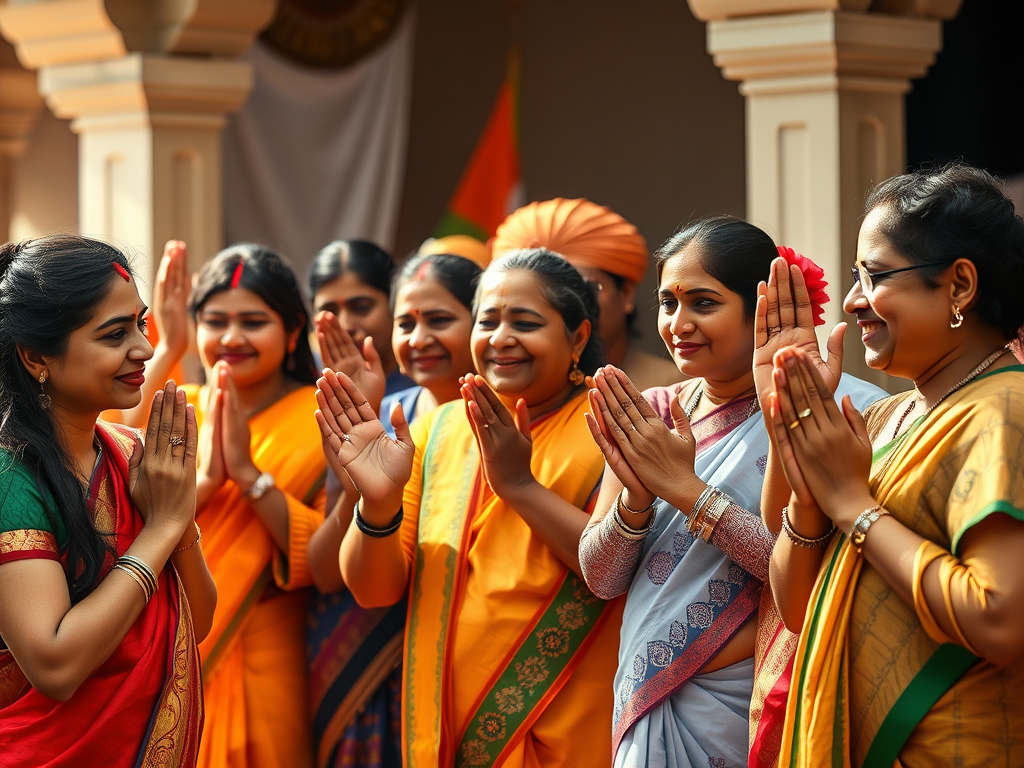
- In the north, people often fold their hands and say Namaste or Namaskar, meaning “I bow to the divine in you.”
- In Maharashtra, Namaskar is common, often accompanied by a slight bow.
- In Punjab, you’ll hear Sat Sri Akal, meaning “Truth is eternal,” a Sikh greeting filled with devotion.
These greetings are not just social customs – they are ways of showing respect to the person in front of you.
Influence of Religion and Philosophy
Different faiths and philosophies have shaped how people greet.
- In Tamil Nadu, Vanakkam is used, which also means “I bow in respect,” rooted in Tamil tradition.
- In Kerala, Namaskaram is common, influenced by both Hindu and Christian traditions.
- In Muslim communities, across states, you’ll hear As-salaam-alaikum (“Peace be upon you”) and the reply Wa-alaikum-salaam.
Each greeting is like a small prayer, carrying blessings with every exchange.
Regional Language Pride
Greetings also reflect the beauty of regional languages.
- In Gujarat, Kem Cho? (“How are you?”) is both a hello and an invitation to chat.
- In Bengal, Nomoshkar comes with a gentle hand gesture.
- In the Northeast, different tribes have their own unique words for hello from Khublei in Meghalaya to Tashi Delek in Sikkim.
The choice of greeting often shows pride in local heritage.
The Gesture Matters As Much as the Words
In India, a greeting is not only what you say it’s how you say it.
- Folding hands (Namaste)
- Touching feet of elders for blessings
- Placing the right hand over the heart
- Smiling warmly while greeting
These gestures add depth and sincerity to the words.
Why So Many Hellos Exist
The diversity of greetings reflects India’s identity – one country, many cultures. Each greeting carries the story of the land it comes from.
It is shaped by climate, history, religion, and even the way people meet in markets, homes, and festivals.
In a way, every “hello” in India is a cultural handshake – it tells you where the person is from, what they value, and how they see human connection.
What You Should Know
In a world where “Hi” has become universal, India’s many ways of saying hello remind us that greetings are more than just starting a conversation. They are bridges of culture, carrying centuries of tradition in a single word or gesture.
The next time you travel to a different state, try greeting locals in their way. It’s a small act, but it opens big doors to warmth, respect, and shared humanity.
Author


Discover more from Southwala
Subscribe to get the latest posts sent to your email.