Southwala Shorts
- Vastu Shastra guides how energy flows through a home.
- But the rules differ depending on the type of space you live in.
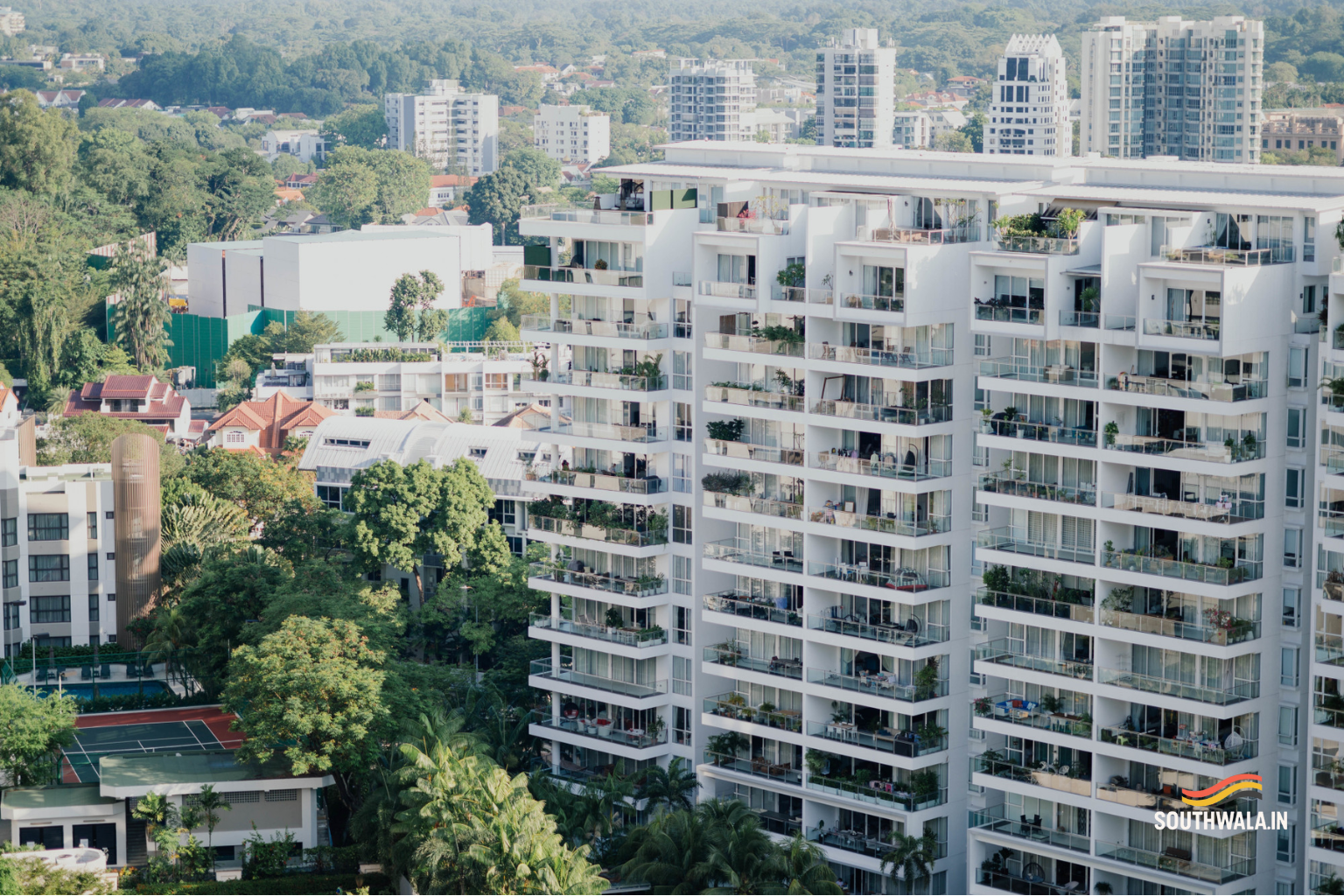
- An apartment receives shared energy from the entire building, while an independent house sits directly on the land and interacts with natural forces more strongly.
- Understanding these differences helps homeowners make smarter choices without feeling confused by traditional Vastu guidelines.

Vastu Shastra guides how energy flows through a home. But the rules differ depending on the type of space you live in. An apartment receives shared energy from the entire building, while an independent house sits directly on the land and interacts with natural forces more strongly. Understanding these differences helps homeowners make smarter choices without feeling confused by traditional Vastu guidelines.
How Energy Flow Differs
In an independent house, energy enters from all directions because the structure is exposed on all sides. Sunlight, air, and magnetic fields directly influence the house. This means the placement of rooms, entrances, and water sources has a stronger impact.
In an apartment, the energy depends heavily on the building’s design. The land connection is indirect, so rules become flexible. Floor level, tower orientation, and shared spaces influence the apartment more than the soil or ground direction.
Vastu for Entrances
The entrance of an independent house carries major importance. It is considered the main channel of positivity, so directions like north, east, or north-east are preferred. The house is directly connected to the land, making the doorway sensitive to direction.
In apartments, the entrance direction matters but is slightly flexible. Higher floors reduce the impact of the land’s magnetic pull, so even west or south entrances can be balanced with simple corrections. What matters more is ventilation, corridor energy, and clutter-free surroundings.
Kitchen Placement
In independent houses, the preferred kitchen direction is south-east because it aligns with the fire element. The next choice is north-west. These placements are easier because the owner can design the house layout.
In apartments, the kitchen often comes fixed. If it is not in the ideal direction, simple practices like placing the stove facing east, keeping the sink separate from fire, and adding balanced lighting can neutralize imbalances.
Master Bedroom
Independent houses allow the master bedroom to be placed in the south-west zone, which supports stability and long-term decision-making. This room gets the strongest grounding energy.
In apartments, the master bedroom may not always fall in the ideal direction due to preset layouts. In such cases, energy balance is more important than direction. Using earthy colours, avoiding sharp objects near the bed, and maintaining warmth help bring stability.
Puja Room or Prayer Area
Independent houses traditionally place the puja room in the north-east because it gets the purest sunlight.
Apartments may not have a dedicated room. Even a small corner in the north-east of the living room works well. If that is not possible, choosing a clean, calm spot with gentle lighting offers good spiritual balance.
Toilets and Bathrooms
In independent houses, placing bathrooms in the north-west or south-east zones is preferred. These zones handle water movement well.
In apartments, this placement is usually fixed. The best corrections include keeping doors closed, exhaust fans running, and using light fragrances or natural cleaning agents to keep the space energetically clean.
Balconies and Open Spaces
Independent houses can design open areas based on sunlight and wind flow, usually keeping open spaces in the north or east.
In apartments, the balcony direction is fixed, so using plants, proper lighting, and avoiding clutter helps maintain positive flow.
Vastu works through intention, energy, and alignment. Independent houses follow Vastu more strictly because the land connection is direct. Apartments allow greater flexibility because the energy flow depends on the building rather than the soil beneath. The goal is not strict perfection but simple, practical alignment that supports comfort, clarity, and peace.
FAQs
1. Why do Vastu rules differ for apartments
Apartments have indirect land connections and rely more on building design, floor height, and shared energy flow.
2. Why are entrances more important in independent houses
They receive direct energy from the land and directions, making the entrance the strongest point of influence.
3. Why can kitchen imbalances in apartments be corrected easily
Because simple changes like stove direction, colours, and lighting are enough when layouts cannot be altered.
4. Why does the south-west bedroom matter in Vastu
It provides grounding and stability, helping people make decisions with calmness and confidence.
5. Why should Vastu be flexible for modern homes
Because most urban spaces cannot be redesigned fully, and simple adjustments are more practical than rigid rules.
Author


Discover more from Southwala
Subscribe to get the latest posts sent to your email.