Southwala Shorts
- There was a time when a letter from home could make someone cry, smile, and feel the warmth of loved ones all at once.
- Before phone calls became cheap and video calls became instant, the lifeline of Indian families was often a simple inland letter or an envelope, carefully...
- Today, that art is fading.
- Our words now travel through screens, not paper.

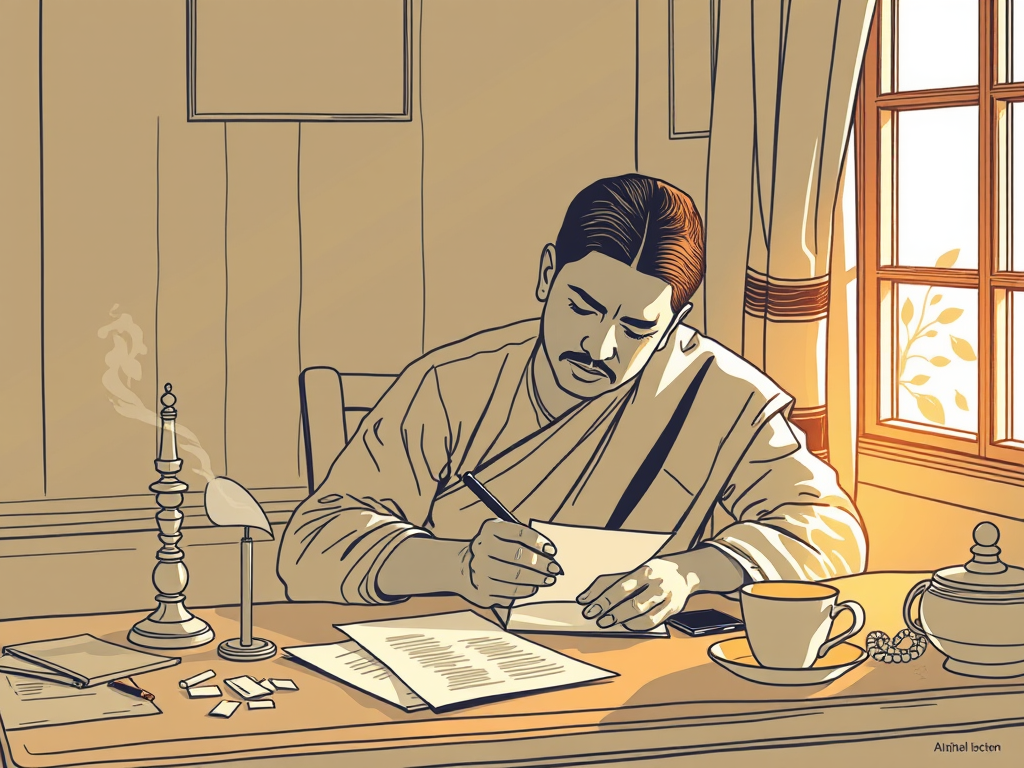
There was a time when a letter from home could make someone cry, smile, and feel the warmth of loved ones all at once. Before phone calls became cheap and video calls became instant, the lifeline of Indian families was often a simple inland letter or an envelope, carefully written in neat handwriting.
Today, that art is fading. Our words now travel through screens, not paper.
Letters Were More Than Just Messages
A handwritten letter was never just information. It carried:
- The choice of words, showing thought and care.
- The handwriting, which felt like a personal signature of love.
- The smell of home – sometimes faint traces of incense, kitchen spices, or the ink itself.
Example:
A son studying in Delhi in the 1980s would wait for the postman. When his mother’s letter arrived, he would read it slowly, then again, and sometimes keep it under his pillow.
How They Held Emotion
Letters gave space for feelings to be expressed in full. People would write late into the night, telling stories, sharing family news, giving blessings.
Unlike instant messages, letters were read and re-read, and often kept safely for years in steel almirahs or wooden boxes.
The Patience They Taught
Writing a letter meant:
- Thinking before you wrote.
- Waiting days or weeks for a reply.
- Living with anticipation.
That patience made each response precious. A single envelope could carry the weight of months of emotions.
Why They Are Disappearing
The arrival of landline phones, mobile calls, SMS, and now WhatsApp, made communication instant. While that speed has benefits, it also means:
- We no longer take the time to compose our thoughts.
- Words are shorter, quicker, and often less personal.
- The physical connection of holding someone’s words in your hands is lost.
What We Lose With This Change
- The sense of occasion – writing and receiving letters felt special.
- A personal archive – letters were a tangible record of family life.
- An emotional depth – words chosen with care felt different from hurried typing.
Can We Bring It Back?
While life is faster now, small efforts can revive the tradition:
- Write a letter to your parents or grandparents once a year.
- Encourage children to send postcards to relatives.
- Preserve old family letters as heirlooms.
Our Thoughs
The disappearance of handwritten letters in Indian families is not just about losing a way of communication – it is about losing a piece of our emotional heritage.
A video call can show your face, but a letter lets someone hold your words. And in a country where family bonds are woven through stories, blessings, and emotions, that touch is irreplaceable.
Author


Discover more from Southwala
Subscribe to get the latest posts sent to your email.