Southwala Shorts
- Every person’s idea of beauty begins with their skin, hair, and overall glow.
- But what truly defines these traits is not just genetics or skincare it’s hormones.
- These invisible chemical messengers quietly influence everything from clear skin and thick hair to mood and energy.
- Understanding how hormones shape beauty helps explain why some days your skin glows effortlessly, and on others, nothing seems to work.

Every person’s idea of beauty begins with their skin, hair, and overall glow. But what truly defines these traits is not just genetics or skincare it’s hormones. These invisible chemical messengers quietly influence everything from clear skin and thick hair to mood and energy. Understanding how hormones shape beauty helps explain why some days your skin glows effortlessly, and on others, nothing seems to work.
Hormones don’t just decide inner health; they are the invisible architects of outer beauty.
The Silent Architects of Skin
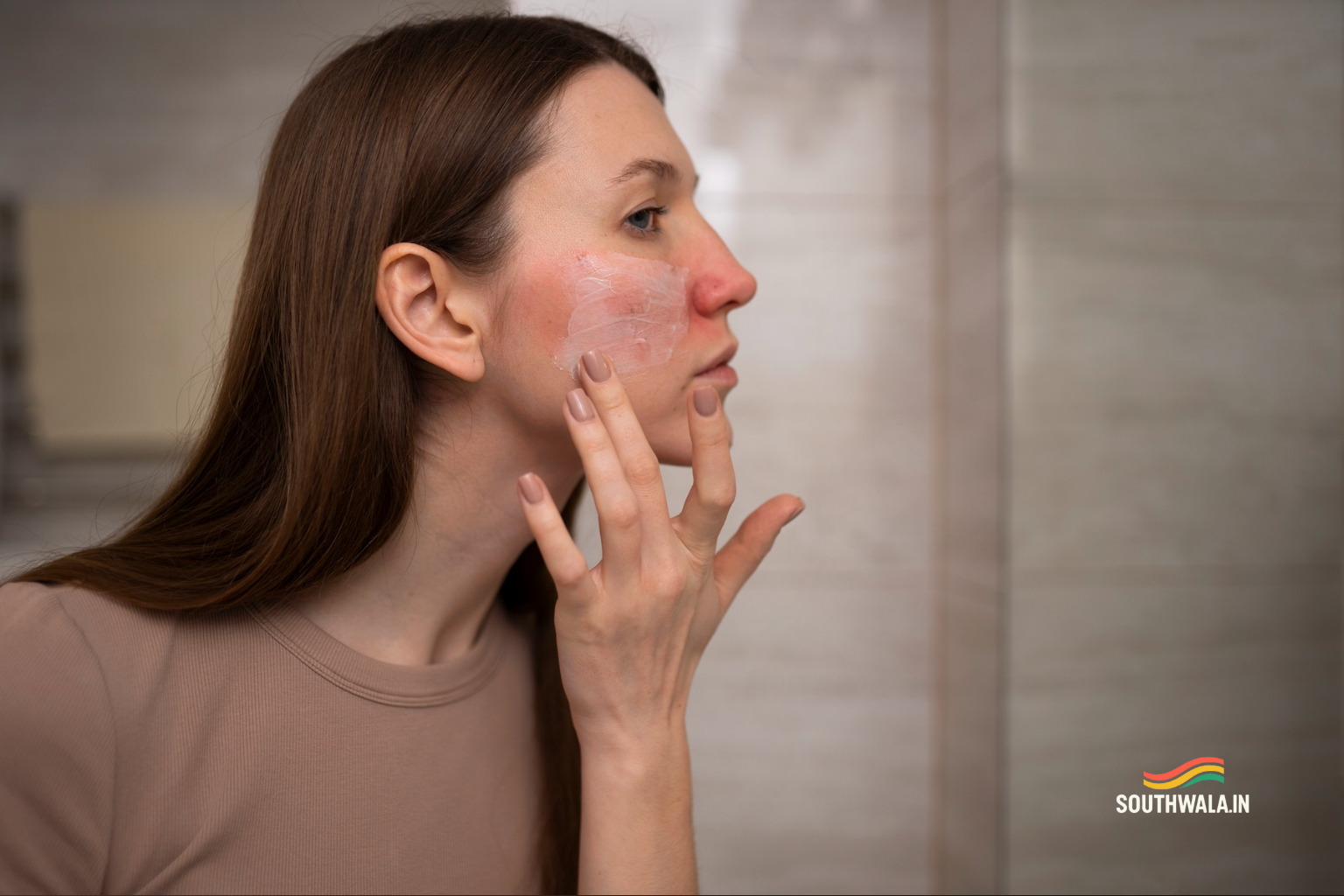
The skin is often the first place where hormonal changes make themselves visible. During puberty, the rise in androgen hormones like testosterone increases oil production in the skin’s sebaceous glands. This excess oil can clog pores and lead to acne. In women, hormonal fluctuations during menstrual cycles, pregnancy, or menopause also trigger breakouts or skin dullness.
Estrogen, the primary female hormone, plays a key role in maintaining skin elasticity and hydration. When estrogen levels drop, as they do during menopause or stress, the skin becomes thinner, drier, and more prone to wrinkles. Cortisol, the stress hormone, also affects collagen, leading to dullness and early signs of aging.
Balanced hormones create balanced skin. It’s the reason a calm mind and a stable body often show up as a natural glow.
The Hair Story Hidden in Hormones
Hair health is deeply tied to hormonal balance. During youth, high estrogen levels keep hair thick and strong. However, as hormonal balance shifts, especially with age or stress, hair starts to thin or fall. Androgens, especially dihydrotestosterone (DHT), shrink hair follicles over time, leading to male and female pattern baldness.
Thyroid hormones also influence the growth cycle of hair. When thyroid function slows down, hair becomes brittle and starts to shed. On the other hand, excess thyroid hormones can make hair finer and weaker.
Even after childbirth, when estrogen levels drop suddenly, women experience temporary hair fall known as postpartum shedding. The good news is that most hormonal hair fall is reversible when balance is restored through diet, rest, and medical care.
How Hormones Affect Glow and Complexion
Estrogen improves blood circulation, helping skin look fresh and bright. This is why, during pregnancy, many women experience the famous “pregnancy glow.” It’s a mix of increased blood flow and hormonal activity. On the other hand, too much progesterone can make the skin oily and prone to acne.
Insulin, a hormone that manages blood sugar, also influences the skin. When insulin levels rise due to a poor diet or stress, it triggers inflammation and acne flare-ups. In conditions like Polycystic Ovary Syndrome (PCOS), high insulin levels and androgens together cause acne, pigmentation, and unwanted hair growth.
Balanced hormones act like natural skincare; no product can replace the internal harmony they create.
Hormones and Aging
As people age, estrogen and growth hormone levels decline. Collagen production slows, leading to sagging and fine lines. Testosterone in both men and women also reduces, causing muscle loss and less firm skin. Cortisol, if left unchecked, accelerates these changes by breaking down collagen and increasing inflammation.
The real secret of anti-aging lies not in creams but in hormonal balance. A healthy diet, sleep, and stress management help maintain that balance longer.
The Role of Lifestyle in Hormonal Beauty
Diet, sleep, and mental health form the base of hormone control. Foods rich in omega-3, zinc, and antioxidants help balance estrogen and reduce inflammation. Regular exercise keeps insulin and cortisol under control. Sleep allows the body to repair and regulate hormone levels naturally.
Stress is the biggest disruptor. Chronic stress triggers cortisol, which not only harms the skin but also disturbs the balance of reproductive hormones, leading to acne, dark circles, and hair loss.
Inner calm becomes outer beauty. Every time stress drops, hormones realign, and your natural glow returns.
Modern Treatments for Hormonal Imbalance
Dermatologists and endocrinologists often work together to treat hormone-driven beauty issues. Treatments may include hormonal therapy, oral medications, or natural supplements that regulate estrogen, progesterone, and thyroid function. For PCOS, insulin resistance control becomes the focus.
Natural remedies such as yoga, meditation, and balanced diets also play a vital role in resetting hormonal rhythms. The goal is not to suppress hormones but to guide them back into balance.
Beauty Beyond Hormones
While hormones control much of how we look, true beauty also comes from how the body feels inside. Glowing skin, shiny hair, and calm energy are signs that hormones, lifestyle, and emotions are aligned. When internal systems are at peace, external beauty follows naturally.
The real secret isn’t just in cosmetics, it’s in chemistry.
Frequently Asked Questions (FAQs)
Why do hormones affect skin and hair so much
Hormones regulate oil production, hair growth cycles, and collagen, which directly impact how the skin and hair look and feel.
How can stress hormones harm beauty?
High cortisol levels break down collagen, slow healing, and increase inflammation, leading to dull skin, acne, and hair loss.
Can hormonal balance be restored naturally?
Yes, through a balanced diet, good sleep, regular exercise, and stress reduction, the body can reset hormonal rhythms naturally.
How does PCOS affect beauty?
PCOS increases androgens and insulin, leading to acne, facial hair growth, scalp hair thinning, and uneven skin tone.
Can a hormonal imbalance cause early aging
Yes, reduced estrogen and high cortisol levels can speed up wrinkles, dryness, and loss of elasticity in the skin.
Author


Discover more from Southwala
Subscribe to get the latest posts sent to your email.