Southwala Shorts
- Most people use the words moisturizing and hydrating as if they mean the same thing.
- But in skin science, they do very different jobs.
- Both are important to keep your skin healthy, glowing, and strong.
- The key is understanding how each one works and how to use them together.

Most people use the words moisturizing and hydrating as if they mean the same thing. But in skin science, they do very different jobs. Both are important to keep your skin healthy, glowing, and strong. The key is understanding how each one works and how to use them together.
The Role of Skin and Its Barrier
Your skin has a natural barrier made of oils, water, and lipids that protect it from pollution, heat, and dryness. When that barrier is weak, your skin either loses water or produces too much oil to compensate. This is where hydration and moisturization play their roles.
Hydration deals with how much water your skin cells hold inside. Moisturization deals with how well your skin keeps that water from escaping.
What Hydration Really Means
Hydration is all about water. It focuses on increasing the water content within your skin cells to make them look plump and smooth. A hydrated skin feels soft, fresh, and bouncy.
When your skin lacks water, it looks dull, feels tight, and can even start to flake. Hydrating products pull water from the air or deeper skin layers into the outer layer of your skin. Ingredients like hyaluronic acid, glycerin, and aloe vera are great examples of hydrators.
Hydration benefits everyone, even people with oily skin, because oil cannot replace water. You can have oily skin that still feels dry because of dehydration.
What Moisturizing Really Means
Moisturizing is about sealing that water inside. Once the skin is hydrated, it needs protection to stop that moisture from escaping. Moisturizers do this by creating a thin film on the skin that traps water and prevents it from evaporating.
Moisturizing products contain ingredients such as shea butter, ceramides, squalane, cocoa butter, and natural oils. These are rich and creamy and work especially well for dry or mature skin.
If your skin feels rough or flaky, it’s usually lacking oil. In that case, moisturizers help restore softness and flexibility.
The Scientific Difference
Hydration works by attracting water to the skin. Moisturizing works by locking that water in. You can think of hydration as filling your skin cells with water and moisturizing as putting a lid on top so the water doesn’t escape.
If your skin is hydrated but not moisturized, it can still feel tight. If it’s moisturized but not hydrated, it might feel greasy but still dull. For best results, both must work together.
How to Know What Your Skin Needs
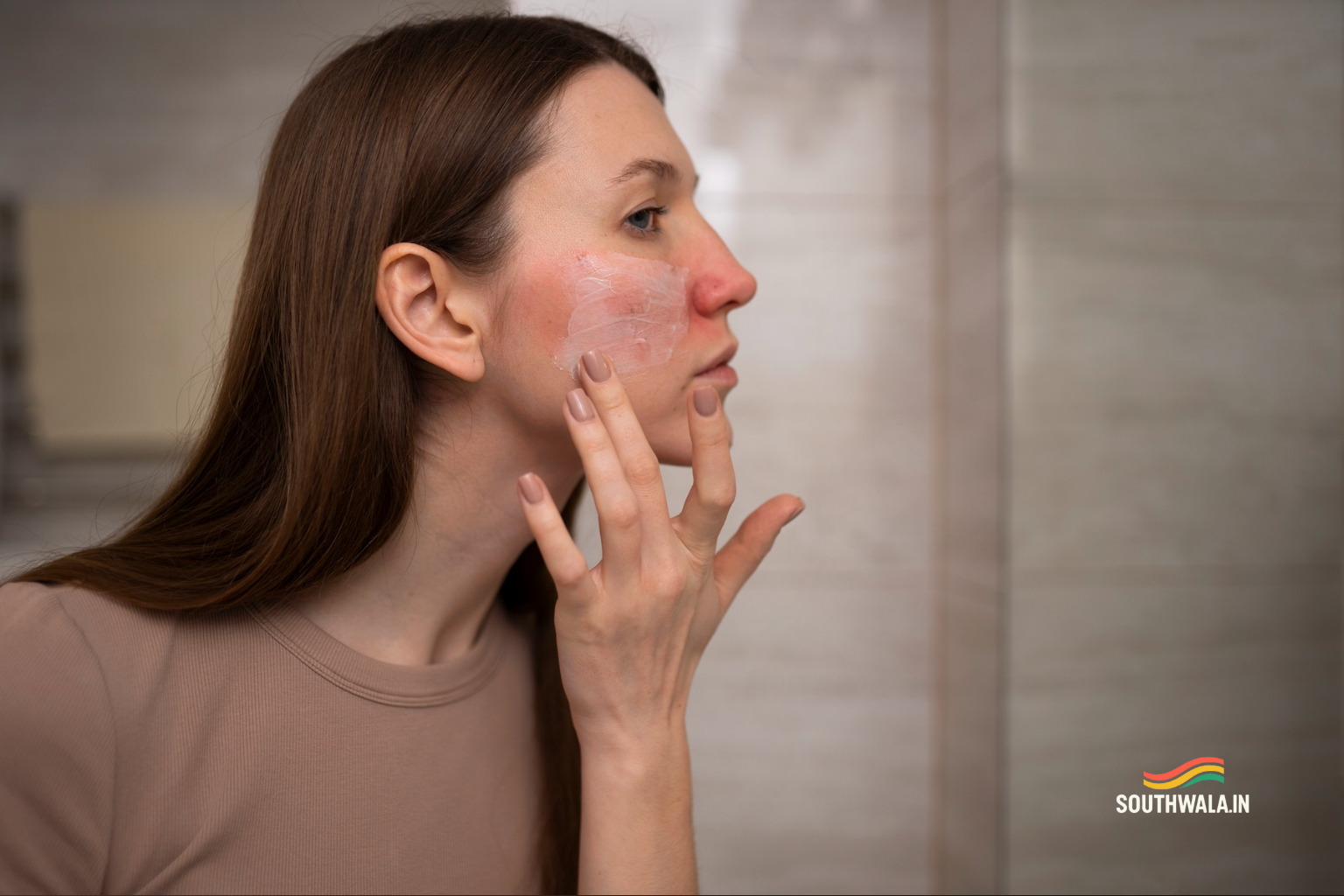
Dehydrated skin lacks water. It often looks tired, feels tight, and loses glow. This can happen to any skin type.
Dry skin lacks oil. It feels rough, scaly, or itchy. This type needs heavier, oil-based moisturizers.
To identify your need, pinch a small part of your cheek. If it looks dull or doesn’t bounce back, it needs hydration. If it feels rough to touch, it needs moisturization.
How to Build a Simple Routine
The easiest way to balance both is to start with a hydrating product and finish with a moisturizer. After cleansing your face, apply a lightweight serum with hyaluronic acid or glycerin. Wait for it to absorb, then apply a moisturizer to seal it in.
During the day, use gel-based moisturizers if you live in a humid climate or have oily skin. At night, use richer creams or facial oils if your skin feels dry or if you sleep in an air-conditioned room.
Ingredients That Work Best
For hydration: hyaluronic acid, glycerin, aloe vera, sodium PCA, and panthenol.
For moisturization: shea butter, ceramides, cocoa butter, squalane, and jojoba oil.
Using both types helps repair the skin barrier and keeps your skin healthy year-round.
Common Mistakes People Make
Applying moisturizer without hydrating first traps dryness instead of moisture. Using only hydrating products without sealing them in leads to faster water loss. Another mistake is over-exfoliating, which strips away natural oils and causes both dehydration and dryness.
Always apply products on slightly damp skin after cleansing. This helps humectants like hyaluronic acid pull in more water.
Why This Difference Matters
Healthy skin depends on balance. Hydration keeps skin cells alive and plump. Moisturization keeps the barrier strong and smooth. Together, they prevent early wrinkles, sensitivity, and dullness. Understanding the difference saves you from wasting money on the wrong products and helps your skin stay consistent through seasonal changes.
Frequently Asked Questions
Why does hydrated skin still feel dry sometimes?
Because it has enough water but not enough oil to seal it in.
Can oily skin skip moisturizer?
No. Oily skin still loses water and needs a light gel moisturizer to stay balanced.
Does drinking water hydrate the skin?
It helps overall hydration but doesn’t replace topical hydration, especially in dry weather.
Can one product hydrate and moisturize at the same time?
Yes. Some modern creams contain both humectants and emollients to perform both functions.
Is it better to hydrate or moisturize first?
Always hydrate first and then apply a moisturizer to trap the water inside.
Author


Discover more from Southwala
Subscribe to get the latest posts sent to your email.