Southwala Shorts
- Every journey teaches something, but a train journey teaches one of life’s most underrated skills are patience.
- Unlike flights that promise speed or road trips that demand control, trains force you to slow down.
- They stretch time in a way that makes you notice things you usually ignore, the rhythm of wheels, the sound of announcements, and the calm...
- Train journeys are not just about reaching a destination.

Every journey teaches something, but a train journey teaches one of life’s most underrated skills are patience. Unlike flights that promise speed or road trips that demand control, trains force you to slow down. They stretch time in a way that makes you notice things you usually ignore, the rhythm of wheels, the sound of announcements, and the calm faces of strangers staring out of windows.
Train journeys are not just about reaching a destination. They are about learning to wait, to observe, and to let go of the illusion of control.
The Rhythm of Waiting
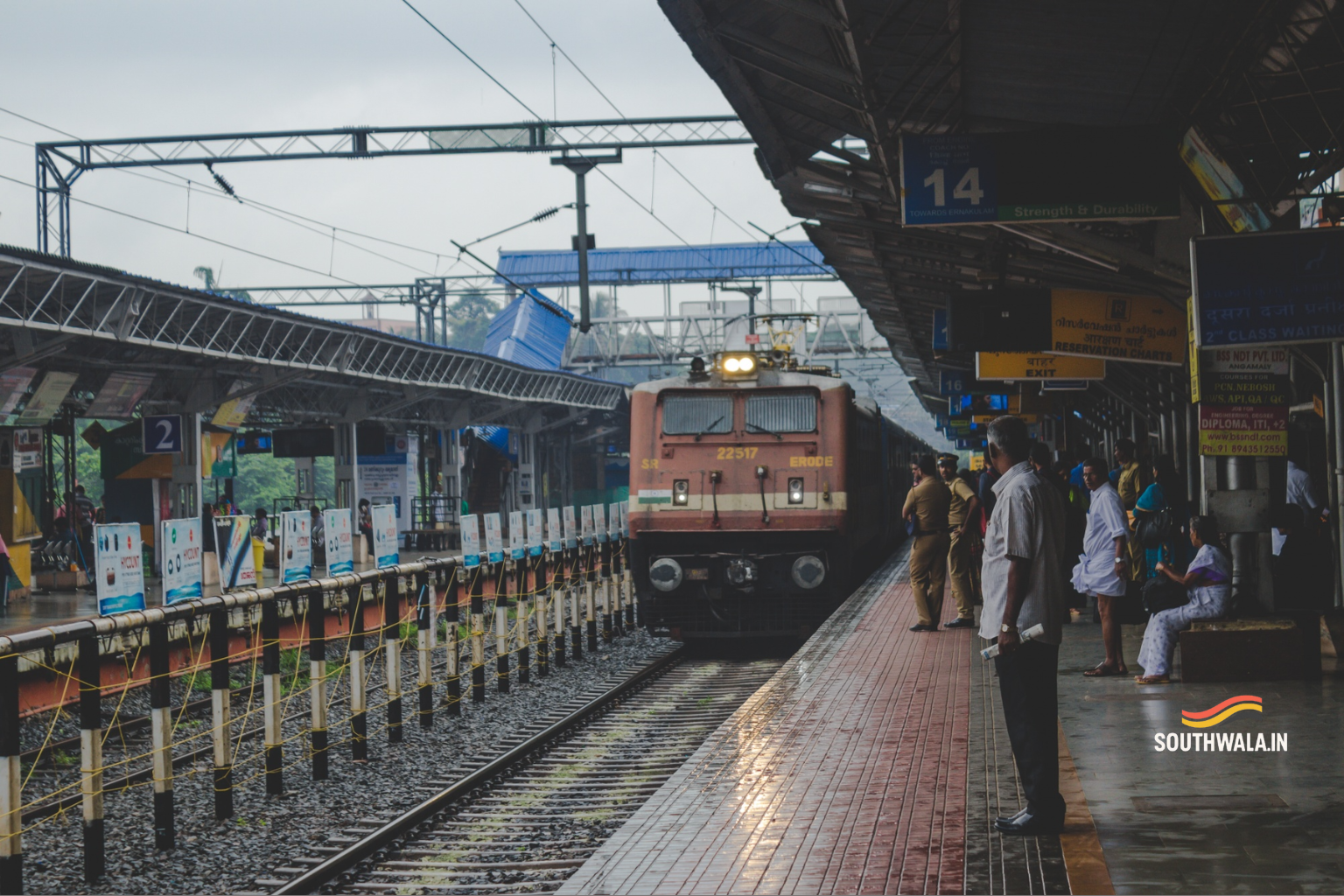
Trains do not rush for anyone. They have their own schedule, and that’s the first lesson in patience. You wait for the train to arrive, you wait for the platform to clear, and you wait for your boarding turn. Even once seated, you wait for chai vendors, ticket checkers, and the rhythmic hum that slowly replaces anxiety with acceptance.
In a world obsessed with speed, trains remind us that not everything has to move fast. They show how waiting can be peaceful when you stop fighting it. The journey becomes smoother once you surrender to its rhythm.
Lessons from the Unpredictable
Every train traveler knows that plans rarely go perfectly. Delays, signal halts, power cuts, or long stops at small stations can test your nerves. But these pauses often hide small moments of beauty a tea stall glowing in the evening light, a child waving from a nearby field, or an old man telling stories to strangers.
Trains turn unpredictability into a life lesson. You realize that frustration changes nothing, but patience transforms everything. The train will move eventually, and so will life. The more you resist delays, the longer they feel.
The Art of Observation
When you sit by the window, you start to notice how landscapes change slowly. Villages fade into towns, then cities, then back to open fields. The sky shifts color with every hour. This simple act of watching teaches a deeper truth that life, like scenery, keeps changing whether you rush or not.
A train window is a moving classroom. It teaches awareness without lectures. You start seeing how every small detail, a farmer in the distance, a group of children running near tracks, or the sound of evening prayers from a nearby temple, fits into a larger story. Patience here becomes observation, and observation becomes gratitude.
The Human Connection
Unlike flights, where everyone wears headphones, trains connect people. A conversation with a stranger, a shared meal, or a simple smile creates small bonds that make time lighter. You learn that human warmth can make waiting joyful.
These encounters are reminders that patience is not just about silence. It is about listening, understanding, and being present with others. The slow pace of a train allows such moments to breathe.
Letting Go of Control
Perhaps the biggest lesson a train journey teaches is surrender. Once you are on board, you have no control over speed, route, or timing. You cannot hurry the train, and that acceptance slowly filters into your attitude toward life.
You start realizing that patience is not weakness. It is a strength in stillness. It is the ability to stay calm even when life does not follow your schedule. Trains mirror life. Sometimes you move fast, sometimes you wait endlessly, and sometimes you simply observe. But the journey always continues.
Finding Meaning in Motion
Train journeys make you introspective. The longer the route, the quieter your thoughts become. Somewhere between two stations, you stop scrolling your phone, look outside, and start thinking about things you ignored in your busy routine. The constant motion of the train creates space for inner stillness.
That stillness becomes patience, not the patience of waiting for something to happen, but the patience of being fully present in the moment. It teaches that slowing down does not mean losing time. It means gaining awareness.
Why Patience Matters Today
In today’s fast world, where everything runs on deadlines and instant results, patience has become a rare virtue. Trains remind us that slowness has its own wisdom. They show that journeys do not have to be perfect to be meaningful. Every delay, every stop, and every shared smile adds to the story.
Patience learned on a train journey often spills into daily life, dealing with people, handling setbacks, or managing stress. It becomes a quiet strength that helps you stay grounded even in chaos.
A Journey Beyond Time
Every traveler who has sat on a long train ride knows the magic of that final moment when you reach your destination. It’s not relief, it’s realization. You realize you have not just traveled across kilometers but across layers of your own impatience.
Train journeys are teachers disguised as travel experiences. They train the mind to slow down, the heart to open up, and the soul to stay steady. That is why the lessons they give stay with you long after the journey ends.
Frequently Asked Questions (FAQs)
Why do train journeys feel more peaceful than other travel
They move at a natural pace and allow people to observe, reflect, and connect without the rush of modern travel.
How do delays during train journeys help build patience
Delays teach acceptance by showing that time cannot always be controlled. They help people learn calmness during uncertainty.
Can long train rides help in reducing stress
Yes, the rhythmic motion and changing scenery create a meditative effect that relaxes the mind and eases tension.
How do train journeys help people connect with others
Shared compartments, conversations, and collective waiting create bonds that remind travelers of human warmth and empathy.
Why are train journeys compared to life lessons?
Because both involve moments of movement, stillness, and unpredictability. They teach how to stay steady and patient, no matter what happens.
Author


Discover more from Southwala
Subscribe to get the latest posts sent to your email.