Southwala Shorts
- If you have ever noticed your pet tilting its head the same way you do, yawning after you yawn, or reacting to your moods, you...
- Pets do not consciously decide to copy their humans, yet over time, they start to reflect the owner’s energy, habits, and emotions.
- From a cat curling up near a calm owner to a dog becoming anxious around a tense household, this mirroring behavior reveals how animals absorb...
- Behavioral scientists describe imitation in animals as social synchronization, the natural ability to align behavior with a social partner.

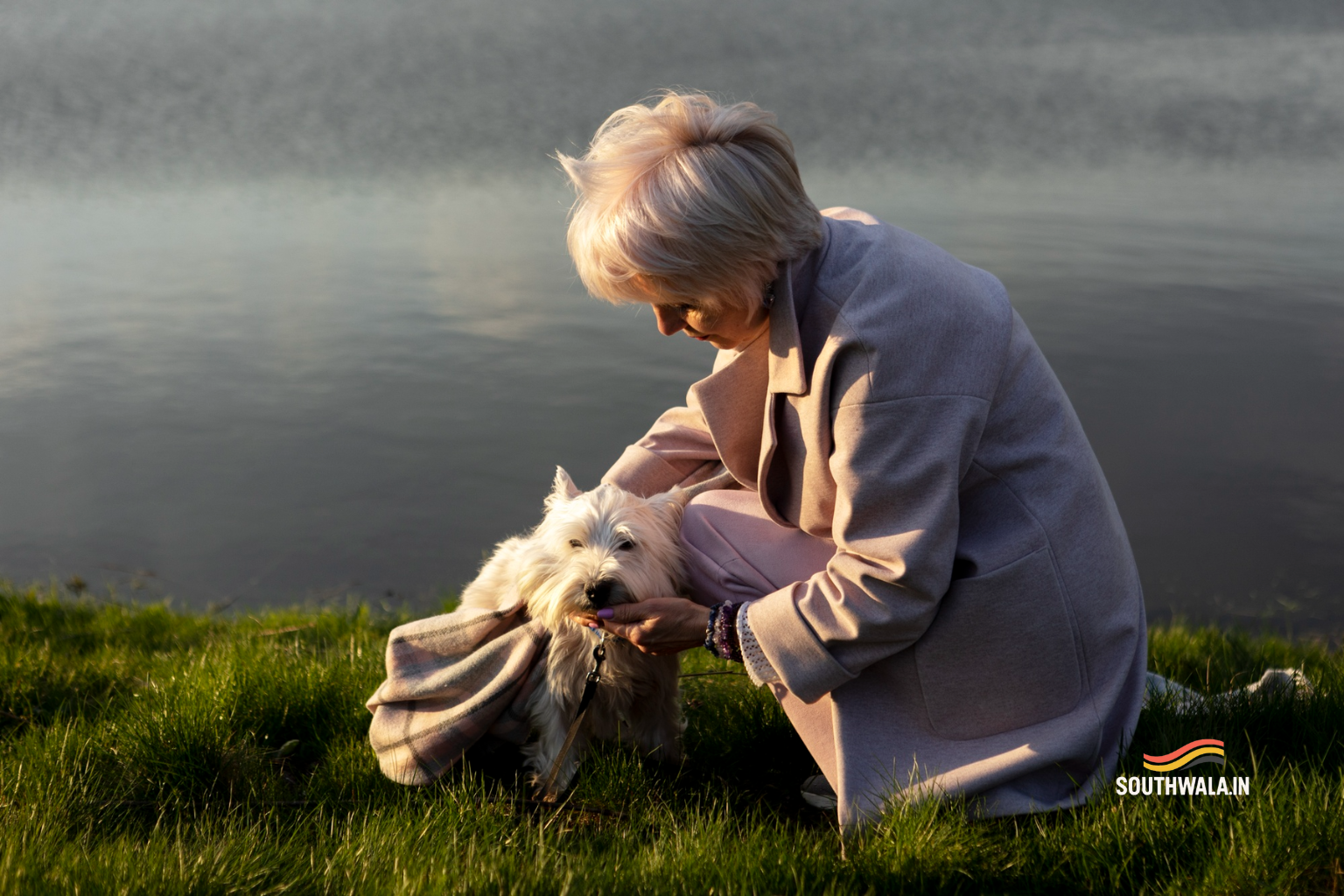
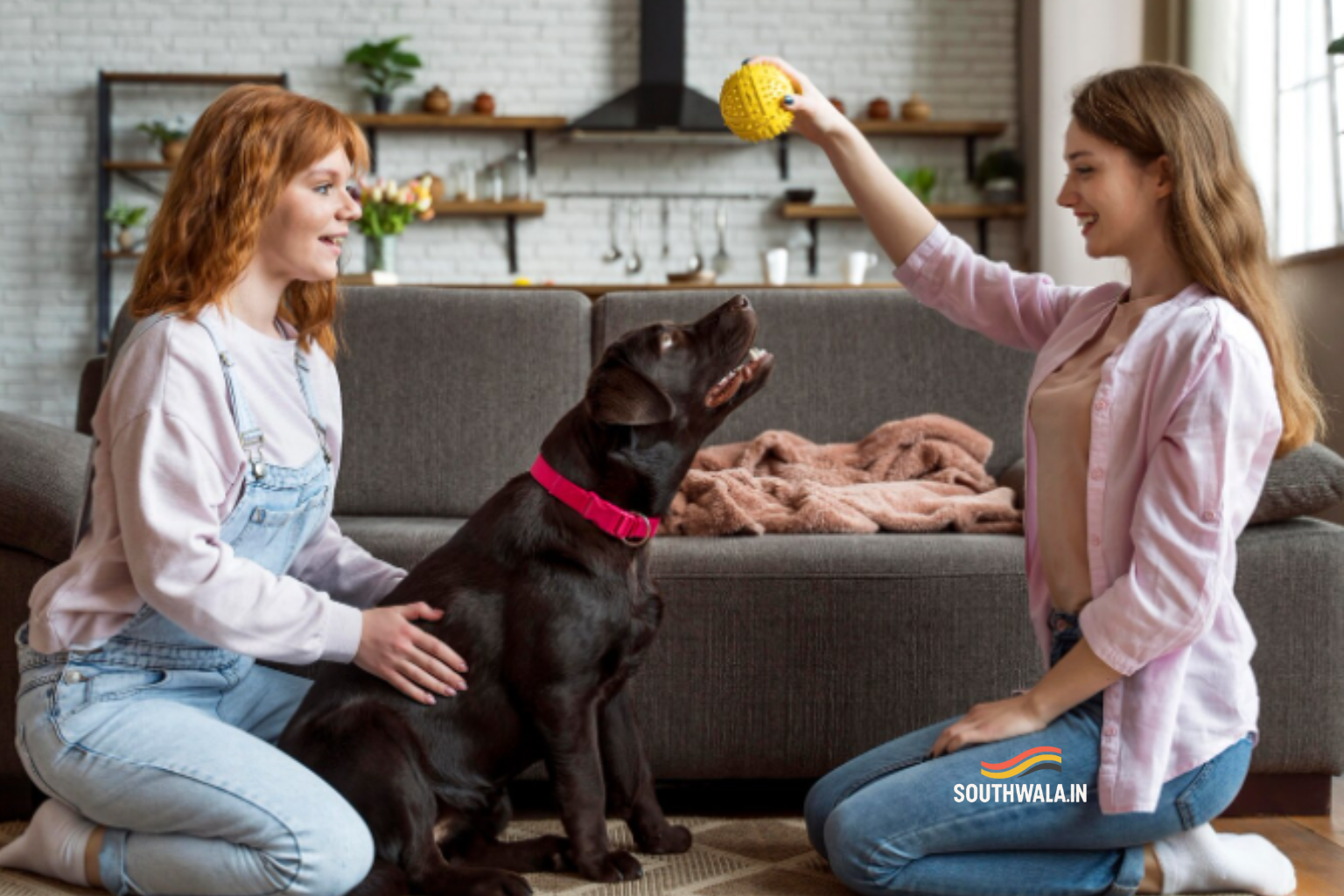
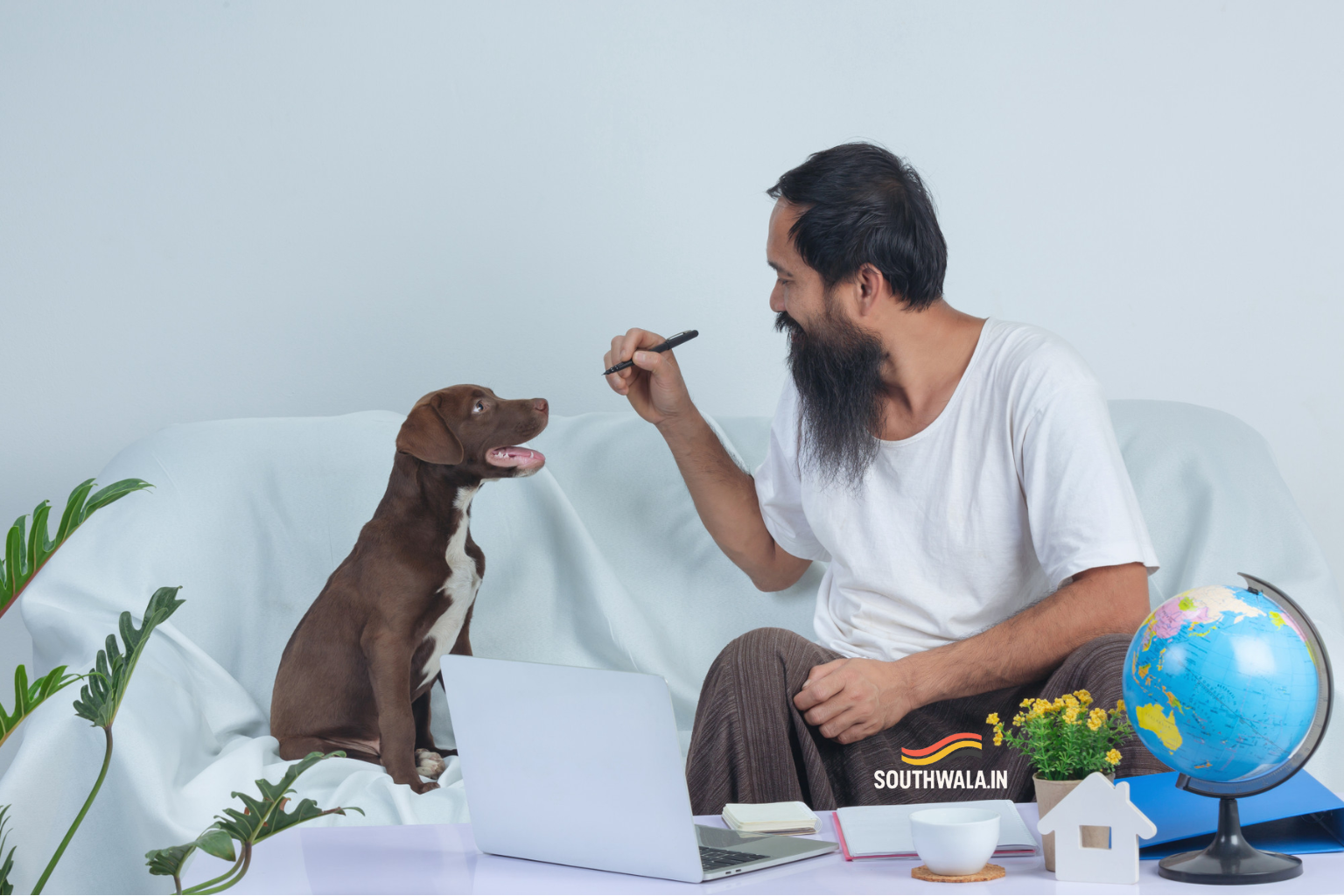
If you have ever noticed your pet tilting its head the same way you do, yawning after you yawn, or reacting to your moods, you are witnessing a deep psychological and biological phenomenon called behavioral mirroring. Pets do not consciously decide to copy their humans, yet over time, they start to reflect the owner’s energy, habits, and emotions. From a cat curling up near a calm owner to a dog becoming anxious around a tense household, this mirroring behavior reveals how animals absorb human cues without words.
The Science of Mirroring in Pets
Behavioral scientists describe imitation in animals as social synchronization, the natural ability to align behavior with a social partner. Dogs, cats, parrots, and even rabbits exhibit this tendency. Research from the University of Vienna found that dogs observing their owners pulling a rope to open a door were able to repeat the action, even after delays. This was not a case of obedience or reward; it was subconscious learning through observation.
This capacity evolved through domestication. Over thousands of years, animals living close to humans adapted to read human body language, tone, and facial expressions. It gave them a survival advantage, allowing them to coexist peacefully with humans and understand their intentions. So, when your pet imitates you, it is not just affection; it is evolution in action.
Emotional Contagion: How Feelings Transfer
The emotional link between humans and pets goes beyond physical imitation. It extends to what scientists call emotional contagion the transfer of feelings through empathy. Studies show that dogs cortisol levels (the stress hormone) often match those of their owners. If an owner is anxious, the dog’s body reflects similar stress markers. Likewise, a relaxed household leads to calmer pets.
Cats, while more independent, also tune into emotional cues. They respond to tone of voice, facial expressions, and movement patterns. Over time, a cat that lives with an introverted or quiet owner may mirror that calm, observant personality, while one raised in an active household may become more curious and playful.
The Role of Routine and Environment
Pets are creatures of habit, and daily routines shape their behavior as much as emotional cues. When an owner wakes up early, exercises, or eats on schedule, pets fall into the same rhythm. Their biological clocks adjust based on the sounds, movements, and timing of human life.
This synchronization is so powerful that sudden changes in routine, a shift in working hours, or travel can cause confusion or mild depression in pets. It is not because they miss the activity itself but because they have subconsciously adapted their internal patterns to yours. The environment acts as a shared behavioral ecosystem between you and your pet.
Communication Beyond Words
Humans communicate with pets through subtle nonverbal signals, tone, eye contact, and gestures. Over time, pets decode these patterns and begin to respond or imitate them. A dog learns that laughter means happiness, so it wags its tail more during cheerful moments. A cat notices you stretching in the morning and starts stretching alongside you. This imitation is their way of bonding and maintaining emotional connection.
In nature, mimicry helps animals strengthen social bonds. Among wolves, synchronized movement and howling build group unity. Domesticated pets have carried that same instinct into human homes. When your dog yawns after you or your cat mirrors your mood, it is their silent way of saying, “I’m part of your pack.”
Subconscious Learning Through Observation
Pets observe more than most humans realize. They learn from repetition and emotional feedback. A dog watching you open a door repeatedly learns not only the motion but also your intention behind it. A parrot exposed to specific words daily begins to associate them with context, not just sound. This form of implicit learning happens without conscious awareness, both for you and the pet.
Interestingly, pets also imitate reactions. If you get startled by thunder, your dog may also begin to fear it, not because of the noise but because of your emotional response. This shows that imitation extends to emotional learning, not just physical behavior.
Why It Strengthens the Human-Pet Bond
Mirroring builds trust. When your pet reflects your mood or mimics your behavior, it creates a feedback loop of understanding. You feel more connected, and the pet feels safer in a predictable environment. This mutual adaptation forms the foundation of companionship. The deeper the emotional bond, the stronger the synchronization becomes, similar to how long-married couples begin to mirror each other’s expressions and habits.
In essence, your pet is not copying you consciously. It is aligning itself to your rhythm, chemistry, and emotional tone, because that is how love translates in the animal world silently, instinctively, and unconditionally.
FAQs
1. Why do pets start to act like their owners over time
Because they subconsciously learn through observation and emotional mirroring, syncing their behavior to human patterns and moods.
2. Why does my dog or cat sense my emotions so accurately
Their brains are wired to detect changes in tone, body language, and scent, allowing them to feel emotional shifts and respond instinctively.
3. Why do pets mirror routines and habits
Their biological clocks align with human schedules through consistent repetition, creating a shared daily rhythm.
4. Why does emotional mirroring strengthen the bond between humans and pets
It builds trust and emotional familiarity, helping pets feel safe and owners feel understood without words.
5. Why is imitation beneficial for pets in the long run
It improves communication, reduces anxiety, and ensures better coexistence, as pets learn to anticipate their owner’s behavior and needs.
Author


Discover more from Southwala
Subscribe to get the latest posts sent to your email.