
Southwala Shorts
- Taiwan has firmly rejected reports that it agreed to a U.S.
- plan to divide global semiconductor production on a “50-50 basis.” Vice Premier Cheng Li-chiun, who is leading trade and tariff talks with Washington, said Taiwan...
- Her comments came after U.S.
- Commerce Secretary Howard Lutnick suggested during a television interview that Taiwan might share half of the world’s chip production with the United States.

Taiwan has firmly rejected reports that it agreed to a U.S. plan to divide global semiconductor production on a “50-50 basis.” Vice Premier Cheng Li-chiun, who is leading trade and tariff talks with Washington, said Taiwan never discussed or committed to such an arrangement.
Her comments came after U.S. Commerce Secretary Howard Lutnick suggested during a television interview that Taiwan might share half of the world’s chip production with the United States. Cheng stressed that no such deal was ever on the table during formal negotiations.
Taiwan’s Role in Global Chip Supply
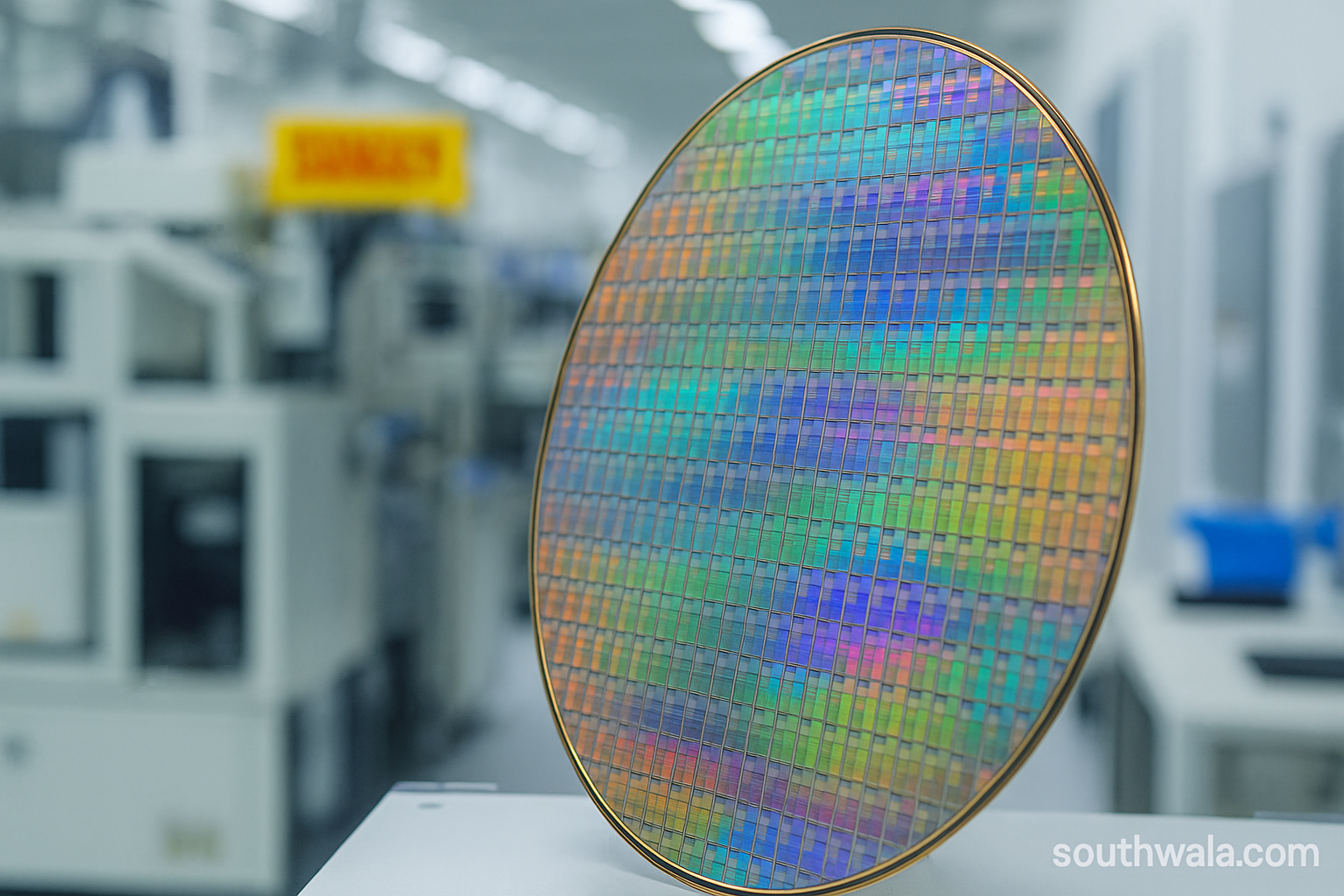
Taiwan is home to some of the world’s most advanced semiconductor manufacturing plants, including TSMC, which produces cutting-edge chips for industries ranging from smartphones to defense. With its dominant position, Taiwan’s chip sector is seen as a vital part of global technology supply chains.
Because of this, Taiwan is cautious about international proposals that could limit its independence in managing production and exports. Officials made it clear that while Taipei values close cooperation with Washington, its sovereignty over semiconductor policy remains non-negotiable.
Despite the dispute over the “50-50” remarks, U.S.-Taiwan trade talks remain ongoing. Both sides are working on tariff-related issues, aiming to improve market access and reduce trade barriers. As part of its goodwill measures, Taiwan has pledged to buy $10 billion worth of U.S. agricultural products over the next four years.
Semiconductors are at the heart of growing global competition, particularly between the United States and China. Taiwan’s rejection of the U.S. proposal highlights the island’s effort to protect its economic autonomy while still strengthening ties with key partners.
Analysts believe the clarification was necessary to avoid misunderstandings and reassure both domestic industries and international investors.
While Taiwan is unlikely to accept production-sharing schemes, it remains committed to expanding cooperation with the United States through trade, investment, and technology partnerships. For now, Taipei’s message is clear: Taiwan’s semiconductor strategy will be guided by its own priorities, not external quotas.
Author


Discover more from Southwala
Subscribe to get the latest posts sent to your email.

