Southwala Shorts
- Tourism is undergoing its biggest transformation in a century.
- For decades, the industry relied on physical movement, people flying across borders, booking hotels, and taking photos to prove they were there.
- Now, Artificial Intelligence (AI) and Virtual Reality (VR) are redrawing that entire map.
- Travel is no longer only about going somewhere.

Tourism is undergoing its biggest transformation in a century. For decades, the industry relied on physical movement, people flying across borders, booking hotels, and taking photos to prove they were there. Now, Artificial Intelligence (AI) and Virtual Reality (VR) are redrawing that entire map.
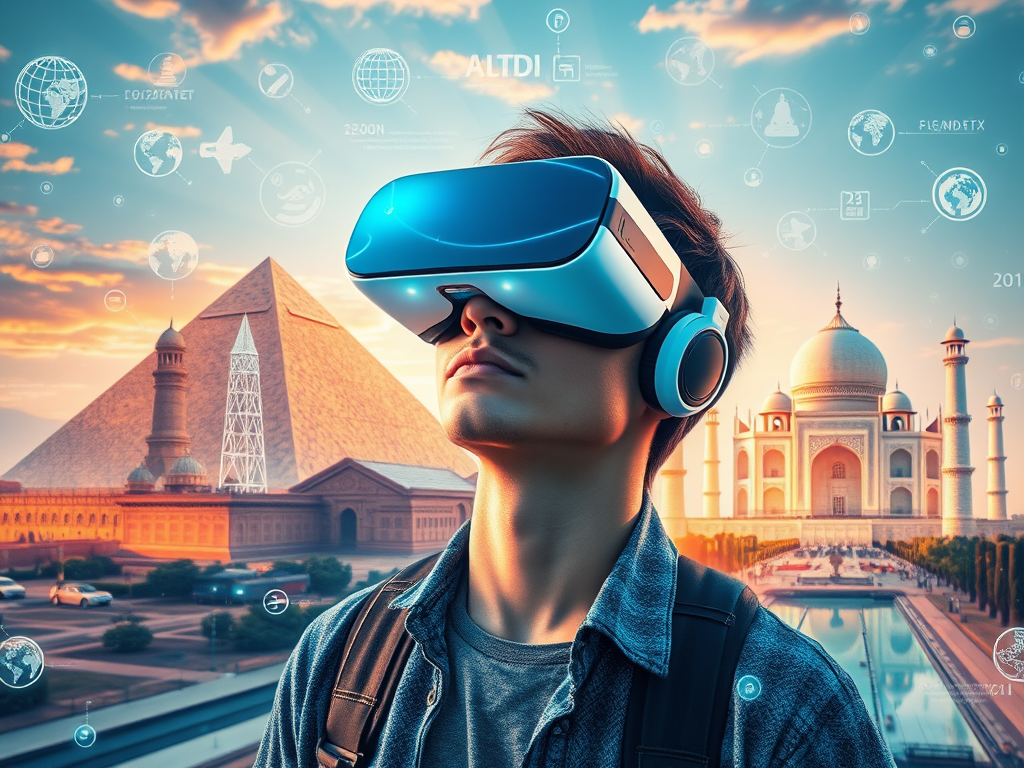
Travel is no longer only about going somewhere. It is about experiencing, planning, and connecting in smarter, more immersive ways. From exploring the pyramids through a VR headset to planning trips with AI-driven assistants that understand personal preferences, the future of tourism is already here, and it’s digital, data-driven, and deeply personal.
The Rise of Virtual Travel Experiences
Virtual travel uses immersive technologies like VR and 360-degree videos to replicate real-world locations. Users can walk through museums, trek the Himalayas, or dive under coral reefs all from their living rooms.
The trend began as a pandemic substitute but has evolved into a permanent offering. Airlines, tourism boards, and travel startups now invest heavily in VR storytelling to attract global audiences.
- Airbnb’s Virtual Experiences allow users to cook with chefs in Tuscany or meditate with monks in Japan through live VR sessions.
- Google Earth VR enables anyone to “fly” across cities and landscapes with full spatial awareness.
- National Geographic Expeditions uses VR for educational travel, bringing endangered habitats into classrooms.
Psychologically, virtual travel satisfies curiosity and emotional escape without logistical stress no packing, no visas, no jet lag. For many, it’s also a way to preview destinations before deciding to visit them physically.
AI-Powered Trip Design
AI is becoming the brain of the tourism industry. It learns how travelers think, spend, and decide. Instead of generic itineraries, AI platforms now design hyper-personalized experiences predicting what users will enjoy based on behavior, mood, and even weather.
- ChatGPT-style assistants help travelers build custom plans in minutes.
- Google Travel’s AI predicts price fluctuations and finds ideal booking times.
- Trip.com’s AI concierge handles everything from itinerary design to multilingual customer service.
Hotels are also using AI for dynamic pricing, predicting cancellations, and recommending local experiences. Airlines rely on AI to forecast demand, optimize flight routes, and reduce fuel use blending sustainability with profitability.
The result is smarter tourism, one that saves time, enhances personalization, and reduces waste.
The New Dimension of Accessibility
AI and virtual travel are making tourism more inclusive. Individuals with physical limitations, budget constraints, or environmental concerns can now explore destinations digitally. Virtual tours of the Louvre, Machu Picchu, or the Taj Mahal provide equal access to global heritage.
For senior citizens or differently abled travelers, AI-powered voice assistants, translation tools, and AR-guided navigation apps make travel smoother than ever before. This is not just convenience; it’s the democratization of travel, turning it from privilege to participation.
The Economic and Environmental Shift
Traditional tourism contributes around 8-10% of global carbon emissions. Virtual travel and AI-driven optimization can significantly reduce this footprint. Virtual experiences cut travel-related emissions, while AI in aviation helps airlines save fuel and manage routes efficiently.
Tourism boards now balance physical and virtual promotion. For example:
- Japan’s Virtual Kyoto Project markets digital temples alongside in-person tourism.
- Dubai Tourism’s AI Chat Concierge offers digital previews to attract high-intent travelers.
This hybrid approach doesn’t replace real travel; it enhances it. Tourists explore virtually, fall in love with the destination, and then plan sustainable, informed visits.
The Emotional Science Behind Virtual Exploration
Virtual reality triggers real psychological responses. Studies show that immersive VR travel experiences activate the same emotional centers in the brain associated with happiness, awe, and relaxation.
A digital tour of the Maldives may not replicate the ocean breeze, but it can evoke similar joy, curiosity, and stress relief. For many, this becomes a bridge between aspiration and action motivating real trips or fulfilling emotional needs when travel isn’t possible.
In short, virtual travel is not competition for tourism; it is therapy, preview, and education rolled into one.
Challenges in the AI-Virtual Tourism Revolution
The evolution is exciting, but not without hurdles.
- Data privacy: AI platforms rely heavily on personal data. Transparency and ethical data use are crucial.
- Authenticity: Virtual experiences can’t replicate local smells, sounds, or spontaneity, the soul of real travel.
- Digital divide: High-quality VR and internet access remain limited in many regions.
Yet, these challenges are transitional. As technology becomes cheaper and more human-centric, AI and VR will merge seamlessly with physical travel, forming a balanced hybrid model.
The next phase of tourism will combine AI prediction + VR immersion + real-world execution. Imagine this flow:
- AI Assistant analyzes your lifestyle and suggests destinations based on health, interests, and budget.
- Virtual Preview allows you to “walk” through hotels or attractions before booking.
- Smart Bookings optimizes cost and sustainability.
- AR Navigation enhances your on-ground experience with live translation and historic overlays.
- Post-Trip AI creates digital travel diaries and recommends similar experiences for next time.
This is not science fiction. It’s the practical future of global tourism, like efficient, personalized, inclusive, and sustainable.
The age of travel is no longer about how far one goes, but how deeply one experiences. AI and virtual travel are reshaping tourism from a physical journey to an emotional, intellectual, and digital one.
Travel is becoming borderless not by geography, but by imagination.
FAQs
1. How does virtual travel benefit people who cannot travel physically?
Virtual tours let anyone explore destinations and cultures through immersive experiences, removing physical and financial barriers.
2. How can AI improve trip planning?
AI studies preferences, predicts costs, and customizes itineraries based on real-time data, saving time and effort.
3. How does technology make tourism more sustainable?
Virtual travel cuts emissions, while AI helps optimize routes and resources for eco-friendly travel.
4. How can travelers trust AI recommendations?
Most AI systems use verified databases, user reviews, and behavior analysis to suggest safe, relevant options.
5. How does the future of tourism look with AI and virtual travel?
Tourism will become more immersive, inclusive, and efficient, blending digital previews with sustainable real-world experiences.
Author


Discover more from Southwala
Subscribe to get the latest posts sent to your email.