Southwala Shorts
- The skincare industry has built a trillion-dollar empire around creams, serums, and face masks.
- But underneath all the packaging and promises lies a truth often ignored, like healthy skin begins from the inside.
- Skin is not just a surface to polish; it is an organ that mirrors what we eat, drink, and digest.
- While creams can protect or hydrate the outer layer, nutrition builds the foundation beneath.

The skincare industry has built a trillion-dollar empire around creams, serums, and face masks. But underneath all the packaging and promises lies a truth often ignored, like healthy skin begins from the inside. Skin is not just a surface to polish; it is an organ that mirrors what we eat, drink, and digest.
While creams can protect or hydrate the outer layer, nutrition builds the foundation beneath. The difference is like painting over cracks in a wall versus strengthening the wall itself. To truly improve skin health, the focus must shift from external care to internal nourishment.
The Skin-Nutrition Connection
Skin constantly renews itself. Every 28 to 40 days, new cells replace the old ones. For this regeneration, the body depends on vitamins, minerals, antioxidants, and hydration. Without proper nutrients, no cream can make up for the deficit.
When nutrition falters, the signs show up quickly, like dullness, acne, dark circles, premature wrinkles, and uneven tone. These are not cosmetic flaws; they are biological indicators that something inside needs attention.
In simple terms, food is the building material for your skin. Lotions are only the paint on top.
Nutrients That Build Radiant Skin
1. Vitamin C: The Natural Brightener
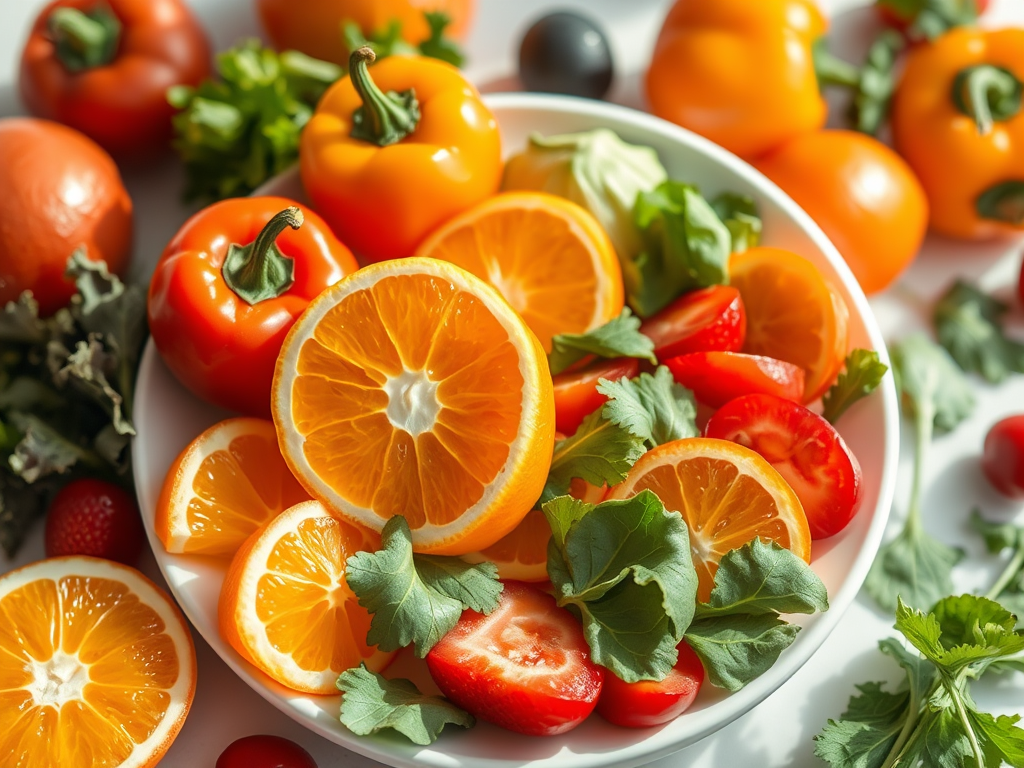
Vitamin C helps form collagen, the protein responsible for skin’s firmness and elasticity. It also protects against UV damage and reduces inflammation. Oranges, amla, guava, and bell peppers are potent sources.
2. Omega-3 Fatty Acids: The Moisture Barrier
Omega-3s from fish, flaxseeds, and walnuts help maintain the lipid layer of the skin. This layer keeps the skin soft, supple, and less prone to irritation or eczema.
3. Zinc: The Healer
Zinc accelerates skin healing, controls oil production, and reduces acne. Pumpkin seeds, chickpeas, and lentils are excellent options for daily intake.
4. Vitamin E: The Defender
This fat-soluble antioxidant shields skin cells from free radical damage caused by pollution and sun exposure. Almonds, sunflower seeds, and spinach provide natural Vitamin E support.
5. Protein: The Core Builder
Collagen and keratin, two structural proteins, rely on dietary protein. Eggs, dairy, soy, and pulses keep the skin firm, resilient, and resistant to early sagging.
The Problem with Overdependence on Creams
Topical products only act on the epidermis, the outermost layer of skin. Nutrition, however, affects the dermis, where collagen, elastin, and blood vessels reside. Creams cannot repair nutrient deficiencies or hormonal imbalances that cause deep skin issues.
Frequent product switching, chemical peels, and over-cleansing can even strip the skin’s microbiome, making it sensitive and reactive. On the other hand, balanced nutrition builds skin strength naturally no expensive formula required.
In many studies, people who improved their diet reported visible skin changes in less than 12 weeks, smoother texture, reduced breakouts, and improved glow.
Gut Health: The Real Skincare Base
The gut and skin are directly connected through what scientists call the gut-skin axis. When digestion is poor or gut bacteria are imbalanced, toxins escape into the bloodstream, triggering inflammation. This leads to acne, eczema, and dullness.
Fermented foods like curd, buttermilk, kimchi, and kefir help maintain a healthy gut microbiome. Hydration also plays a key role; even mild dehydration can make skin look tired and flaky.
If the gut is clean, the skin reflects it.
The Indian Lens: Traditional Nutrition for Skin
Indian food traditions naturally integrate skin-supporting nutrients.
- Haldi (turmeric) provides curcumin, a natural anti-inflammatory.
- Ghee nourishes cells and maintains moisture balance.
- Amla boosts collagen with concentrated Vitamin C.
- Moong dal and millets provide plant-based protein for cell repair.
These ancient dietary habits worked as daily “internal skincare” long before commercial creams existed.
Global Research Insights
- A Harvard study linked diets high in antioxidants with reduced skin aging.
- A 2023 study in the Nutrients Journal found that people who ate more fruits and vegetables had better skin tone and less pigmentation.
- Research from Seoul National University showed that omega-3 supplementation improved skin elasticity in just 12 weeks.
The science consistently points in one direction: nutrition determines how well the skin ages, heals, and glows.
The Real Roadmap to Healthy Skin
- Eat Whole, Not Processed: Choose fresh, seasonal, colorful food.
- Hydrate Consistently: Two to three liters of water a day keeps the skin barrier functional.
- Balance Gut Bacteria: Add curd, fermented pickles, or prebiotic foods like banana and garlic.
- Avoid Sugar Overload: Excess sugar accelerates collagen breakdown through a process called glycation.
- Sleep Deeply: Skin regenerates most effectively during sleep cycles.
- Protect, Don’t Depend: Use sunscreen and mild cleansers, but rely on food for long-term skin health.
True skincare begins with nutrition. Creams can enhance or protect, but they cannot build. The glow that lasts does not come from a jar; it comes from consistent nourishment. Every meal shapes how your skin looks tomorrow.
Your body doesn’t need a new skincare routine. It needs a new food routine.
FAQs
1. How does diet affect skin glow?
Food provides vitamins, minerals, and antioxidants that directly nourish skin cells, improving radiance naturally.
2. How can hydration improve skin texture?
Adequate water keeps skin cells plump, supports detoxification, and prevents dryness or dullness.
3. How do Omega-3 fats help skin health?
They strengthen the lipid barrier, reduce inflammation, and improve elasticity, making skin soft and calm.
4. How can gut health influence acne?
Poor digestion and an imbalance in gut bacteria can trigger inflammation that appears as acne or rashes on the skin.
5. How can one balance nutrition for better skin?
A mix of colorful fruits, whole grains, lean protein, and healthy fats builds strong, glowing skin over time.
Author


Discover more from Southwala
Subscribe to get the latest posts sent to your email.