Southwala Shorts
- Digital innovation is moving fast, and two powerful tools leading this shift are AR and VR.
- Both platforms add new layers to daily experiences and open paths that once felt impossible.
- Retailers, students, teachers, and brands now use these tools to create stronger engagement, deeper immersion, and smoother learning.
- AR adds digital elements into real environments through a mobile screen or smart glasses.

Digital innovation is moving fast, and two powerful tools leading this shift are AR and VR. Both platforms add new layers to daily experiences and open paths that once felt impossible. Retailers, students, teachers, and brands now use these tools to create stronger engagement, deeper immersion, and smoother learning.
AR Brings Digital Layers Into Real Surroundings
AR adds digital elements into real environments through a mobile screen or smart glasses. This blend allows users to view products, information, and guides on top of their actual space. Retail stores use AR to help shoppers try items without touching them. Education uses AR to transform ordinary lessons into interactive journeys.
VR Builds an Entirely New Digital World
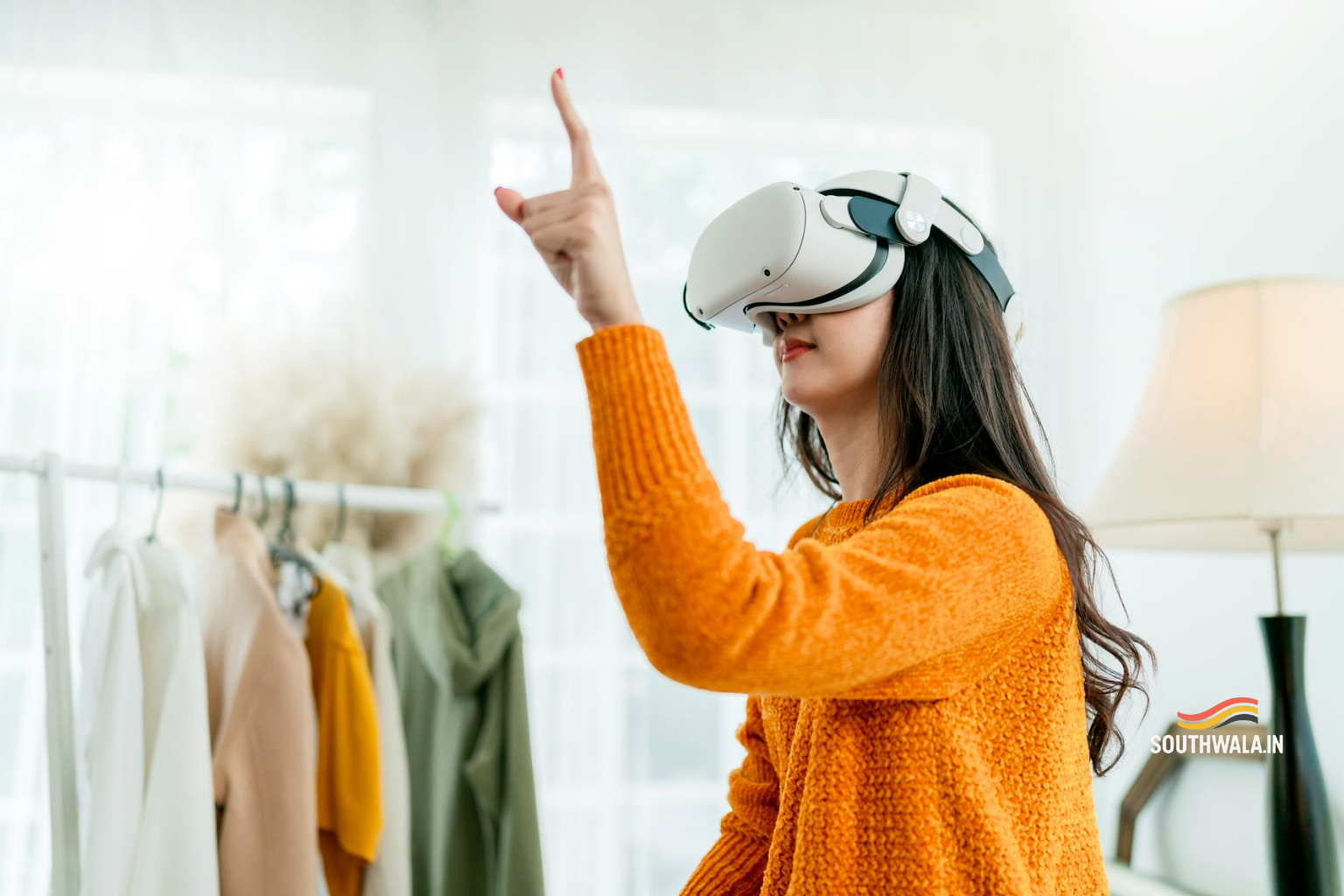
VR places the user inside a fully created virtual space. A headset blocks outside visuals and replaces them with a digital scene. This creates full immersion, allowing students to enter virtual labs, historical locations, or scientific simulations. Retail brands use VR to show complete store layouts, product demos, or travel experiences.
How AR and VR Are Transforming Shopping
AR and VR are reshaping buying behavior in several powerful ways:
Virtual Try-On Experiences
Shoppers can view clothing, glasses, makeup, and furniture in real time through AR. This builds confidence and reduces guesswork. Customers spend less time returning items and more time selecting pieces that truly fit their style or space.
Virtual Stores and Immersive Showrooms
VR lets brands create digital stores that customers can explore from home. Users can walk through aisles, pick items, and watch product demos. This brings in-store browsing into the comfort of a living room.
Product Visualization
Large items like furniture, appliances, and decor become easier to evaluate. AR helps shoppers place these items inside their home environment to see size, color, and style before purchasing. This reduces hesitation and supports faster decisions.
Personalization Through Digital Tools
AR apps can scan surroundings, body shape, or personal style to offer tailored suggestions. This enhances customer satisfaction and builds stronger brand loyalty.
How AR and VR Are Transforming Education
Education gains massive benefits from immersive technology. It helps students learn faster, connect deeply with topics, and stay engaged longer.
Learning Through Exploration
Students can step inside ancient cities, explore ocean life, or travel through human anatomy in VR. This makes learning feel alive and keeps curiosity strong.
Safe Training for Complex Skills
VR simulations help learners practice high-risk tasks such as surgery, engineering work, and lab experiments in a controlled space. Mistakes carry no real danger, making training safer and more effective.
Interactive AR Lessons
AR brings textbooks to life. Students point a device at a diagram and see 3D models, animations, or step-by-step explanations. This turns traditional lessons into vivid experiences.
Better Memory Retention
Immersive learning helps students remember lessons longer. Seeing, hearing, and interacting with content strengthens understanding more than reading alone.
Inclusive and Accessible Learning
VR classrooms support students who cannot attend in person. AR tools help learners who benefit from visual aids or additional assistance. Both technologies create smoother paths for diverse learning needs.
Future Growth Across Both Industries
AR and VR continue to evolve with better hardware, faster processing, and smarter apps. Retailers will create more realistic digital spaces, and schools will adopt immersive tools as core learning aids. These technologies are becoming everyday essentials rather than optional add-ons.
FAQs
1. Can AR help shoppers make better decisions?
Yes. It shows products inside real spaces, making choices easier.
2. Can VR improve learning?
Yes. It creates full immersion that helps students stay focused and understand topics clearly.
3. Can stores reduce returns with AR try-ons?
Yes. Shoppers gain stronger confidence before buying.
4. Can students practice complex tasks safely in VR?
Yes. Simulations allow repeated training without real-world risks.
5. Can both tools grow in the future?
Yes. Advancing technology will make them even more common in daily life.
Author


Discover more from Southwala
Subscribe to get the latest posts sent to your email.