
Southwala Shorts
- India has officially started rolling out its long-awaited e-passport, a technology-enhanced travel document designed to make international journeys safer and faster for millions of Indians.
- The move marks one of the biggest upgrades to the country’s passport system in decades.
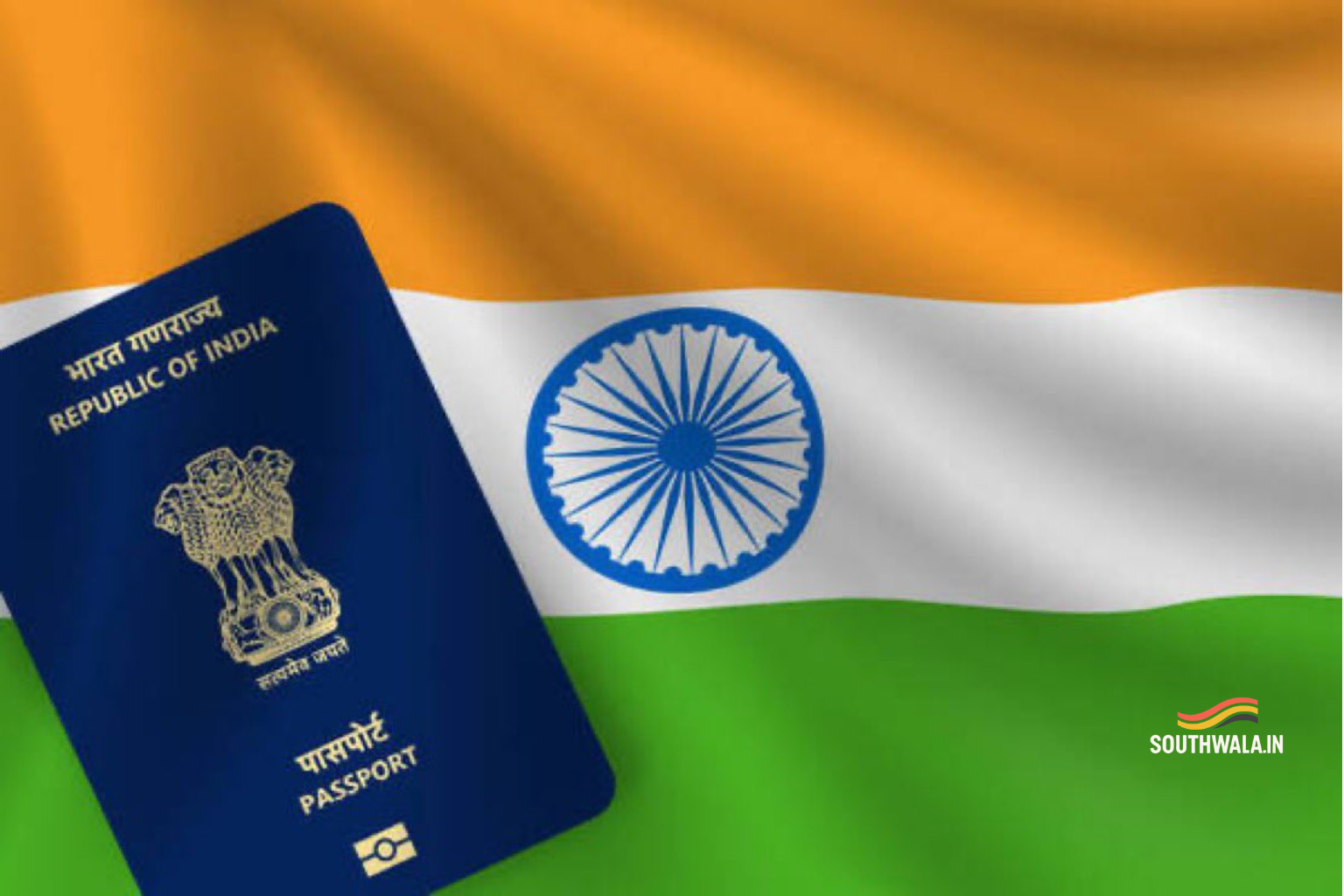
- The new e-passport looks similar to the current dark-blue booklet but carries a gold chip symbol on the cover.
- Inside the back cover, an embedded electronic chip stores the traveller’s key details, biometrics, photograph, digital signatures, and personal information.

India has officially started rolling out its long-awaited e-passport, a technology-enhanced travel document designed to make international journeys safer and faster for millions of Indians. The move marks one of the biggest upgrades to the country’s passport system in decades.
The new e-passport looks similar to the current dark-blue booklet but carries a gold chip symbol on the cover. Inside the back cover, an embedded electronic chip stores the traveller’s key details, biometrics, photograph, digital signatures, and personal information. This makes the document highly secure and very difficult to forge.
Why the Upgrade Matters
For years, travellers have faced slow immigration queues and increasing risks of identity fraud. With the e-passport, immigration counters, especially abroad, can scan and verify a traveller’s identity within seconds. Since the chip follows global ICAO standards, the document can be read by security systems in most major airports around the world.
Government officials say the new system will reduce tampering, help prevent misuse, and give Indians a smoother travel experience. The upgrade is part of India’s broader plan to modernise its travel and identity infrastructure.
Who Can Apply?
Any Indian citizen who is eligible for a standard passport can apply for an e-passport. However, the rollout is happening in phases. This means only selected Passport Seva Kendras (PSKs) and Post Office PSKs currently offer the service. Applicants may receive the older booklet if their centre has not yet adopted the new system.
How to Apply
The process remains familiar. Applicants must:
- Log in to the Passport Seva Portal.
- Fill out the online application form.
- Choose a centre that issues e-passports.
- Pay the required fee online.
- Visit the chosen centre for biometric capture and document verification.
Once approved, the e-passport is printed and sent to the applicant’s address.
Fees
- ₹1,500 for a 36-page booklet
- ₹2,000 for a 60-page booklet
Tatkal (fast-track) applications carry additional charges.
What Stays the Same
Current passports remain valid until their expiry date. There is no requirement to replace your regular passport immediately.
With the e-passport rollout, India joins a growing list of countries using chip-enabled passports to boost safety and efficiency. As more centres adopt the system, travellers can expect faster checks at airports and stronger protection of their identity.
The launch is a clear indication that India is moving toward a smarter, more secure travel future, one where long immigration lines and outdated verification methods slowly become history.
Author


Discover more from Southwala
Subscribe to get the latest posts sent to your email.

