
Southwala Shorts
- A football match is already tough at 90 minutes.
- Add an extra 30 minutes for extra time, and you are looking at one of the most physically demanding tasks in all of sports.
- While fans focus on the goals, the tackles, and the drama, what’s happening inside a footballer’s body during those 120 minutes is a story of...
- In 120 minutes, a footballer runs about 12 to 15 kilometers.

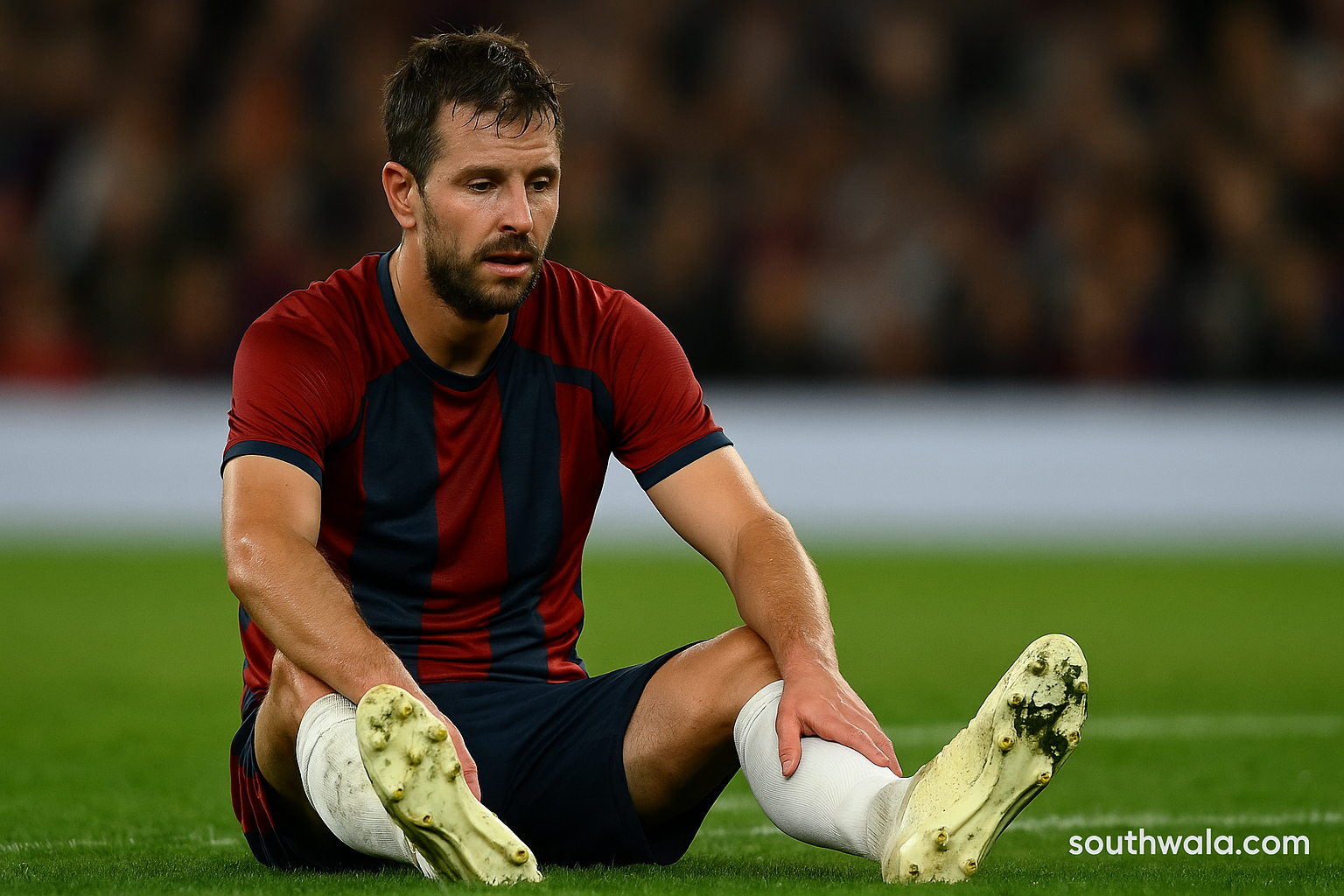
A football match is already tough at 90 minutes. Add an extra 30 minutes for extra time, and you are looking at one of the most physically demanding tasks in all of sports. While fans focus on the goals, the tackles, and the drama, what’s happening inside a footballer’s body during those 120 minutes is a story of survival, science, and extreme endurance.
The Energy Burn
In 120 minutes, a footballer runs about 12 to 15 kilometers. This drains the body’s glycogen, the fuel stored in muscles. Once glycogen is gone, the body slows down, and players feel heavy and tired. That is why cramps and slower movements are common in extra time.
Muscles Under Pressure
Sprinting, turning, jumping, and quick stops put huge pressure on leg muscles like the quadriceps, hamstrings, and calves. Over time, tiny tears form in the muscles. This, along with lactic acid build-up, causes the burning pain players feel in their legs.
The Battle for Oxygen
The heart works harder to send oxygen to the muscles. During extra time, a footballer’s heart can beat more than 160 times per minute. Breathing becomes deeper and faster. If oxygen is not enough, the body uses stored energy without oxygen, which makes fatigue set in faster.
Dehydration and Loss of Salts
Players sweat a lot, even in cool weather. Sweat removes water and salts like sodium and potassium. When these drop too much, muscles can cramp. Drinking water and sports drinks during the match helps the body keep working.
Mental Fatigue
It is not just the body that gets tired. The brain works non-stop to watch the game, make decisions, and react quickly. After two hours, this mental load slows reaction times and can cause small mistakes that change the match.
Recovery After the Match
The body does not bounce back in a few hours. Recovery after 120 minutes can take up to three days. Ice baths, massage, protein-rich food, and rest are used to repair muscles and restore energy. If recovery is rushed, injuries are more likely.
Why It Is a True Test
Playing for 120 minutes is not just about strength. It needs mental focus, smart pacing, and the will to keep going when the body wants to stop. Those who can still sprint in the final minutes are remembered as the real fighters of the game.
FAQs
1. How many calories are burned in 120 minutes?
Around 1,200 to 1,500 calories, depending on the player’s role.
2. Why do players cramp more in extra time?
Because fuel, water, and salts in the body are low.
3. Does the mind get tired too?
Yes, slower thinking and mistakes often happen late in the game.
4. Can recovery take longer?
Yes, it can take up to 72 hours for full recovery.
5. Do substitutes have an advantage?
Fresh players have more energy and can speed up the game.
Author


Discover more from Southwala
Subscribe to get the latest posts sent to your email.

