Southwala Shorts
- Janmashtami, the day Lord Krishna was born, is celebrated with joy, devotion, and love across India.
- For many devotees, the most important part of this festival is fasting – not just as a tradition, but as a spiritual offering to Krishna.
- It is believed that a sincere fast on this day can help wash away past sins, invite divine blessings, and fill life with peace and...
- Fasting on Janmashtami is more than avoiding food.

Highlights
- Discover why fasting on Janmashtami is seen as an offering of love to Lord Krishna
- Learn the different ways devotees observe this sacred vrat
- Simple rules to keep the fast pure and full of bhakti
Fasting on Janmashtami – Rituals, Rules, and Krishna’s Blessings
Janmashtami, the day Lord Krishna was born, is celebrated with joy, devotion, and love across India. For many devotees, the most important part of this festival is fasting – not just as a tradition, but as a spiritual offering to Krishna. It is believed that a sincere fast on this day can help wash away past sins, invite divine blessings, and fill life with peace and prosperity.
The Spiritual Meaning of Janmashtami Fasting
Fasting on Janmashtami is more than avoiding food. It is about controlling the senses, focusing the mind, and remembering Krishna throughout the day. By giving up physical comfort for a short while, devotees symbolically show their readiness to surrender their ego and desires at the feet of the Lord.
In scriptures, it is said that a fast done with devotion on this day brings punya (spiritual merit) equal to many yajnas and pilgrimages.
Types of Janmashtami Fasts
Nirjal Vrat (Without Water): The strictest form of fast where neither food nor water is consumed until midnight, when Krishna is believed to have been born.
Phalahar Vrat (Fruits and Milk): A lighter fast where devotees can have fruits, milk, and satvik food items without grains, onion, or garlic.
Partial Fast: For those with health concerns, a light satvik meal is taken once during the day before midnight puja.
Rules to Follow for a Devotional Vrat
- Begin with Sankalp: Early morning, take a vow to keep the fast with full devotion.
- Follow Satvik Food Guidelines: No onion, garlic, grains, alcohol, or non-vegetarian items.
- Engage in Bhakti: Read the Bhagavad Gita, chant Krishna mantras, and sing bhajans.
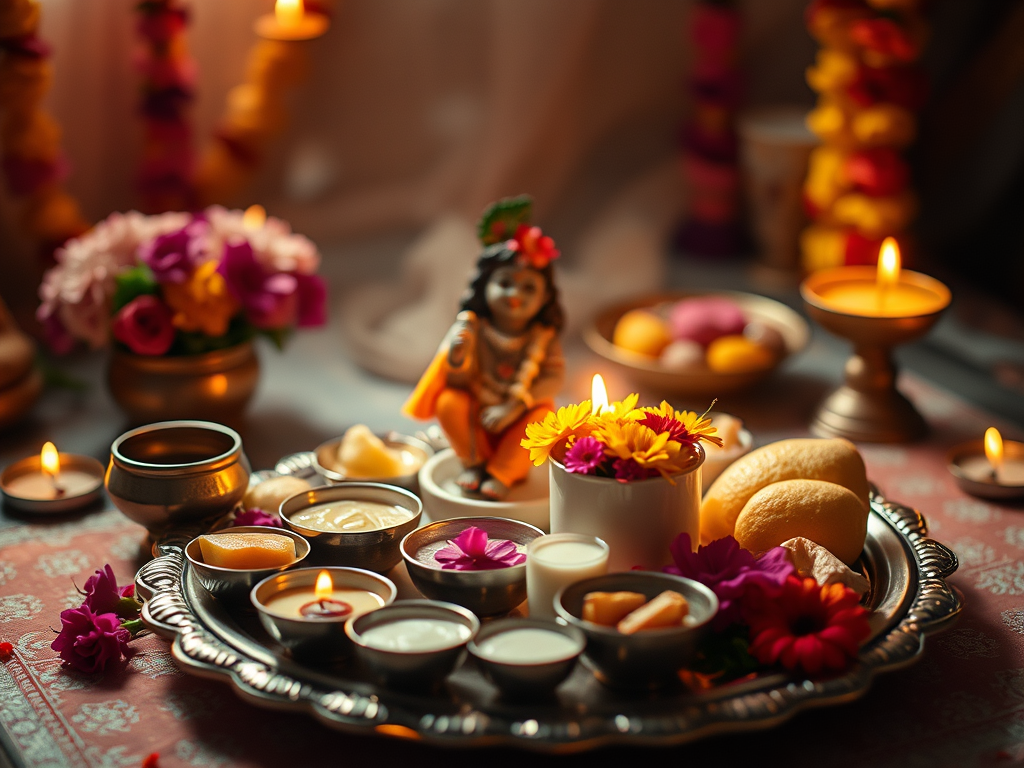
- Offer Bhog at Midnight: Prepare simple satvik dishes like makhan, mishri, panchamrit, fruits, and kheer to offer to Krishna before breaking the fast.
- Keep the Mind Pure: Avoid anger, gossip, or negative thoughts during the vrat.
Blessings Believed to Come from Janmashtami Fasting
- A peaceful mind and purified heart
- Stronger self-control and discipline
- Harmony and happiness in family life
- Freedom from past karmic burdens
- Krishna’s grace for spiritual growth and protection
FAQs
Can I drink water during the fast?
Yes, if you are following phalahar or partial fasting. Nirjal vrat avoids water completely.
Why is the fast broken at midnight?
Because that is the exact time Lord Krishna is believed to have been born.
What are the best mantras to chant on Janmashtami?
“Om Namo Bhagavate Vasudevaya” and the Maha Mantra are widely chanted.
Can pregnant women or the sick observe the fast?
They should follow a lighter version like phalahar and not strain their health.
Is Janmashtami fasting compulsory?
It’s not compulsory, but it is a deeply rewarding act of devotion for those who can observe it.
Author


Discover more from Southwala
Subscribe to get the latest posts sent to your email.