Southwala Shorts
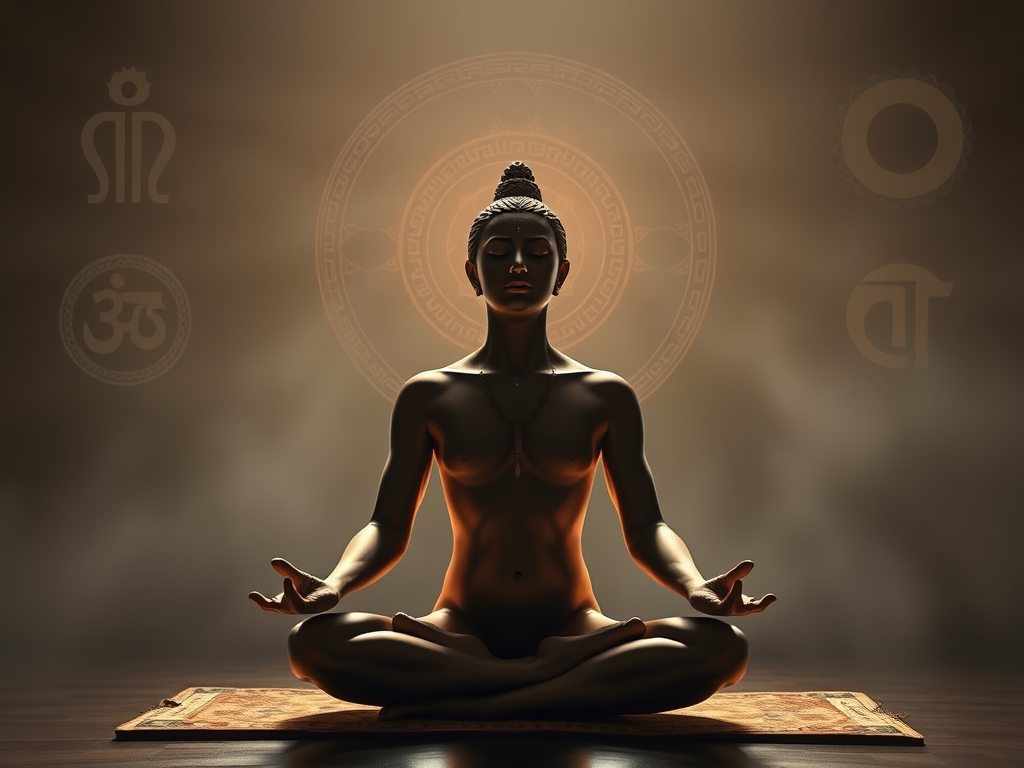
- For thousands of years, ancient traditions across India, China, and Greece treated breath as a bridge between body and mind.
- Yogic pranayama, Buddhist breath meditation, and Taoist breathing rituals were once seen as spiritual practices.Today, neuroscience confirms that these ancient techniques hold measurable effects on...
- Breathwork is no longer just philosophy it is science-backed therapy for modern stress.
- Every breath directly influences the nervous system.

For thousands of years, ancient traditions across India, China, and Greece treated breath as a bridge between body and mind. Yogic pranayama, Buddhist breath meditation, and Taoist breathing rituals were once seen as spiritual practices.
Today, neuroscience confirms that these ancient techniques hold measurable effects on the brain and nervous system. Breathwork is no longer just philosophy it is science-backed therapy for modern stress.
The Connection Between Breath and the Brain
Every breath directly influences the nervous system. When breathing slows down, the parasympathetic nervous system (the body’s relaxation mode) activates, lowering heart rate, blood pressure, and cortisol levels.
In contrast, fast and shallow breathing signals the sympathetic system, triggering the body’s fight-or-flight response.
Ancient breathwork masters understood this relationship intuitively. Neuroscience now explains it through the vagus nerve, a key communication channel between the brain and vital organs. Slow, controlled breathing stimulates this nerve, bringing calmness, focus, and emotional balance.
Pranayama and Modern Brain Science
In yoga, pranayama means “control of life force through breath.” Practices like Anulom Vilom (alternate nostril breathing) and Bhramari (humming breath) are now studied in neuroscience labs for their measurable effects.
Research using EEG and fMRI imaging shows that these techniques:
- Increase activity in the prefrontal cortex, the region responsible for decision-making and emotional control.
- Decrease overactivity in the amygdala, the fear and stress center of the brain.
- Improve neural coherence, creating smoother communication between brain hemispheres.
The result is reduced anxiety, improved concentration, and emotional stability the same outcomes ancient texts described as “mental stillness.”
How Breathwork Influences Emotions and Focus
Breathing acts as a remote control for emotions.
During moments of fear or anger, the breath becomes fast and shallow. By consciously slowing it down, the brain receives a signal that the threat is gone, reversing the stress cycle.
Scientists at Stanford University and other research centers have identified breathing neurons in the brainstem that connect directly to emotional centers. This discovery explains why deep breathing, even for a few minutes, can reduce panic and restore calmness.
This understanding bridges modern neuroscience with ancient awareness both recognizing that control over breath equals control over mind.
Healing the Body Through Oxygen Balance
Ancient practices always linked proper breathing to longevity and vitality.
Modern science now confirms that an optimal oxygen-carbon dioxide balance maintains cellular health, supports heart function, and strengthens immunity.
Shallow or irregular breathing limits oxygen exchange, making the body more acidic and stressed. Controlled breathing improves oxygen delivery and helps clear metabolic waste, leading to better energy levels and overall wellness.
The body literally heals itself more efficiently when breathing is slow, rhythmic, and intentional.
Breathwork as Therapy
Today, doctors and psychologists recommend breath-based techniques as complementary treatments for:
- Anxiety and panic disorders
- Depression and chronic fatigue
- Insomnia and sleep disturbances
- High blood pressure and heart disease
Methods like box breathing, Wim Hof breathing, and diaphragmatic breathing have been clinically shown to activate relaxation pathways in the brain and improve resilience to stress.
These methods align perfectly with ancient principles that described breath as a tool for mastering both mind and matter.
The Return of Ancient Wisdom
As modern life accelerates, breathwork has re-emerged as a simple yet powerful self-regulation tool. The difference today is that brain scans and heart monitors confirm what sages and monks knew through experience.
The convergence of ancient wisdom and neuroscience shows a clear truth: controlling breath is the most accessible form of controlling the mind.
In a world overwhelmed by mental distractions and digital noise, the act of conscious breathing is both ancient and revolutionary.
Breathwork is not a trend but a return to human roots.
It aligns body chemistry, calms the mind, and builds resilience through a practice as simple as breathing with awareness. Ancient cultures discovered it through meditation; modern neuroscience has now proven it through data.
The bridge between past and present is as close as the next breath.
FAQs
Can slow breathing reduce stress?
Yes, slow and deep breathing activates the body’s relaxation system and lowers stress hormones.
Can daily breathwork improve brain function?
Yes, regular practice enhances focus, decision-making, and emotional stability by balancing brain activity.
Can breathwork help with anxiety or panic?
Yes, controlled breathing calms the nervous system and reduces symptoms of anxiety and panic attacks.
Can improper breathing affect health?
Yes, shallow or rapid breathing increases stress and decreases oxygen flow, affecting body functions.
Can breathwork be practiced without yoga?
Yes, conscious breathing alone benefits mental and physical health, even outside formal yoga practice.
Author


Discover more from Southwala
Subscribe to get the latest posts sent to your email.