Southwala Shorts
- Gen Z grew up with the internet in their hands.
- They are the first generation to experience childhood, teenage years, and early adulthood in a fully digital world.
- Social media is their language, playground, diary, identity, and stress zone all at once.
- This deep connection has created a unique dynamic a relationship filled with loyalty and exhaustion, confidence and insecurity, liberation and pressure.

Gen Z grew up with the internet in their hands. They are the first generation to experience childhood, teenage years, and early adulthood in a fully digital world. Social media is their language, playground, diary, identity, and stress zone all at once. This deep connection has created a unique dynamic a relationship filled with loyalty and exhaustion, confidence and insecurity, liberation and pressure. They love social media for the freedom it gives, yet feel trapped by the same platforms they depend on.
The Digital Identity That Never Switches Off
For Gen Z, social media is not just a tool but an extension of self. Their profiles become curated versions of their personalities. Photos, stories, reels, and comments shape how they are seen by others. This constant curation creates both excitement and pressure. They enjoy expressing themselves through fashion, humor, art, and opinions, but they also face anxiety about being judged.
The need to maintain a perfect digital version of themselves often leads to a split identity. One is the online self they show to the world, confident and filtered. The other is the offline self that navigates real emotions without the safety of edits and retakes.
The Search for Belonging vs the Fear of Missing Out
Social media connects Gen Z to global communities instantly. Whether it’s music fandoms, gaming groups, activism pages, or meme cultures, these digital spaces make them feel understood. They find belonging in niche spaces where their interests are celebrated.
But the same platforms also fuel a constant fear of missing out. Every trip, achievement, party, or trend shared by peers becomes a silent reminder that someone else is living a more exciting life. FOMO becomes a quiet emotional tax they pay daily.
The Joy of Creativity vs the Weight of Comparison
Gen Z is one of the most creative generations. Social media gives them endless ways to create content from videos to digital art to storytelling. They can build careers from their bedrooms, start brands on Instagram, or go viral overnight.
Yet they constantly compare their lives, skills, and looks to influencers or peers. Even harmless scrolling can turn into a cycle of self-doubt. A simple reel created for fun becomes a scoreboard of likes, views, and comments. The joy of creation gets overshadowed by performance pressure.
The Freedom of Expression vs the Burnout of Constant Engagement
Social media empowers Gen Z to speak openly about mental health, identity, politics, and personal struggles. They challenge norms, call out injustice, and spark real conversations. This makes them socially aware and emotionally intelligent.
But the need to always be present, updated, and responsive drains them. Notifications feel like obligations. Trends change weekly. Platforms demand constant posting, commenting, and engagement to stay relevant. Burnout becomes inevitable.
The Safe Space vs the Landmine of Toxicity
Social media can be a refuge for young people who feel misunderstood offline. It gives them a voice, a support system, and a sense of community. Many find motivation, healing, or friendship through online interactions.
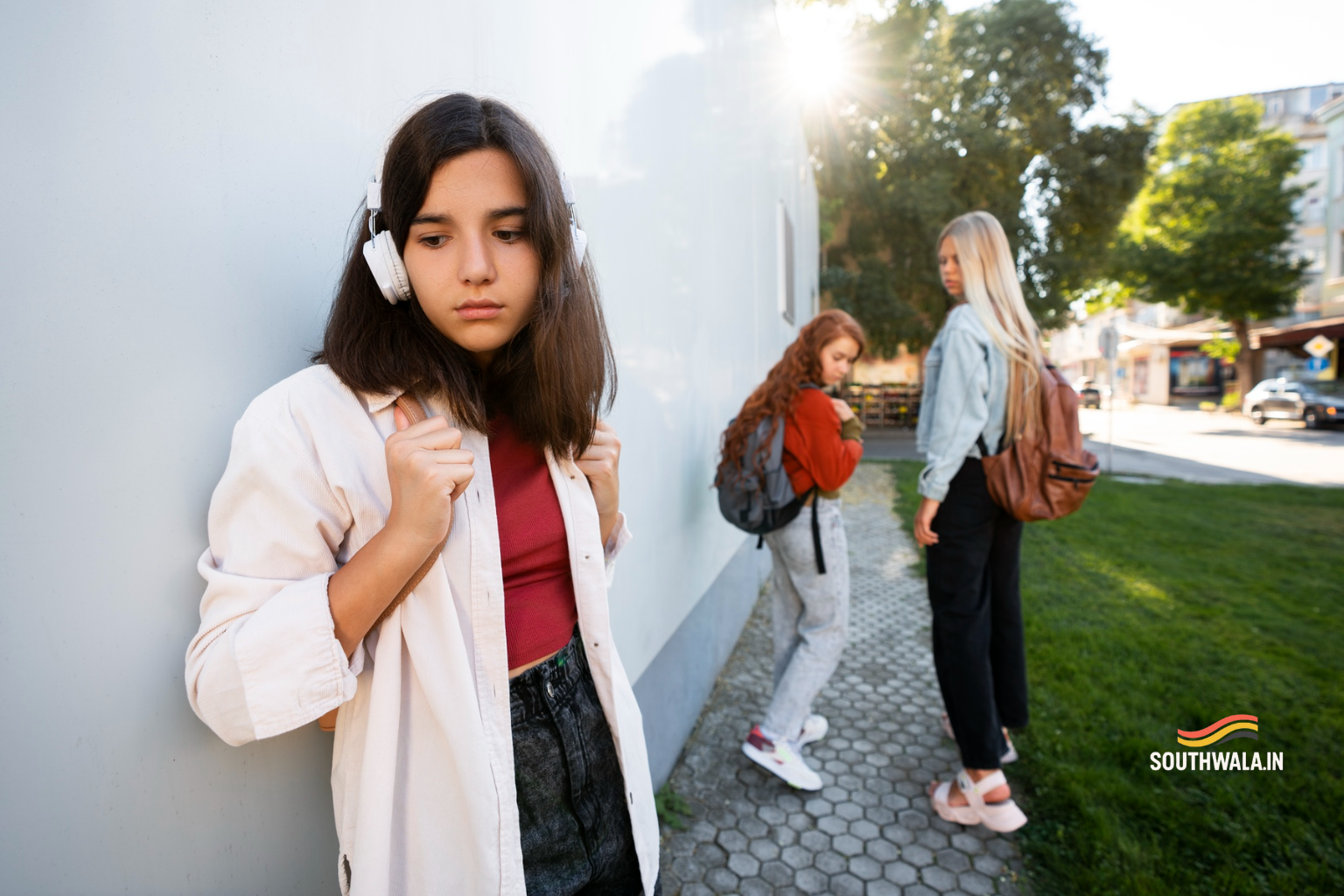
But this safe space also contains cyberbullying, trolling, misinformation, and unrealistic beauty standards. Hate comments and anonymous attacks can affect mental health deeply. Online validation becomes addictive, and criticism can feel personal.
The Reality of Digital Overload
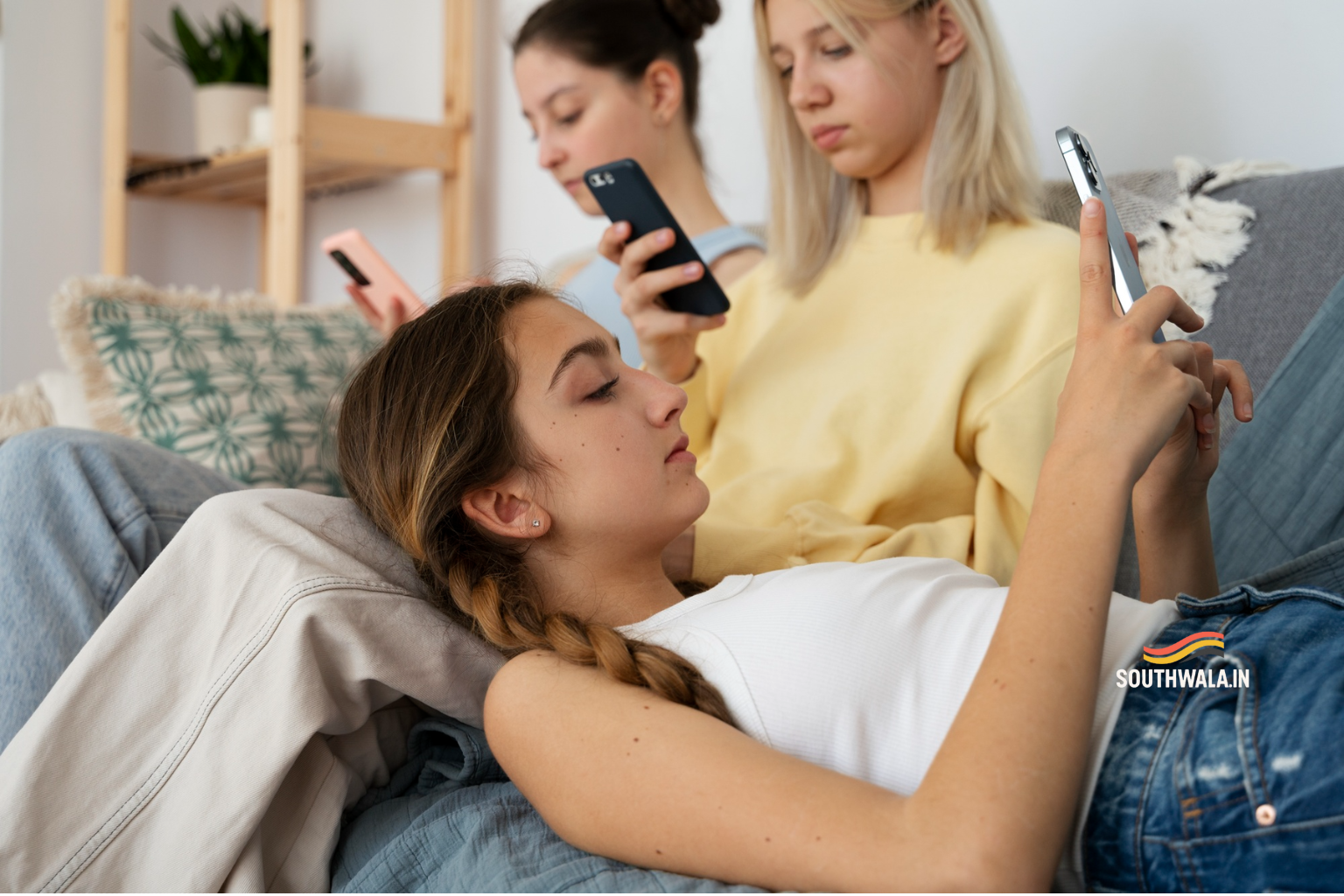
Gen Z lives in a world where the digital and physical blend constantly. Their days are full of screens for work, education, entertainment, and socializing. This overload affects sleep, attention span, and emotional well-being. The constant flow of information makes it hard to disconnect or rest.
Despite this, they cannot imagine life without social media. It is their source of news, networking, learning, relationships, and identity. The love-hate cycle continues because they rely on platforms that also exhaust them.
Moving Toward Digital Balance
Gen Z is slowly learning digital boundaries. Many are taking detox breaks, muting notifications, limiting screen time, and prioritizing real conversations. They are redefining their relationship with social media by choosing intentional use instead of compulsive scrolling.
For this generation, the journey ahead is not about abandoning digital platforms but about learning to use them with awareness. Social media is powerful, but Gen Z is beginning to realise that they must shape their digital habits consciously to protect their mental and emotional health.
FAQs
1. Why does Gen Z feel strongly attached to social media
Because it is part of their identity, communication style, and everyday life from childhood onward.
2. Why does social media cause stress for Gen Z
Constant comparison, online pressure, and performance expectations create emotional strain.
3. Why do young people feel fear of missing out online
Because they see others’ lives in real time, making them feel left behind when not engaging.
4. Why do many Gen Z creators feel burnout
Because platforms reward constant posting, making creativity feel like a never-ending job.
5. Why is digital balance important for Gen Z
Intentional use helps protect mental health and reduces emotional exhaustion.
Author


Discover more from Southwala
Subscribe to get the latest posts sent to your email.