Southwala Shorts
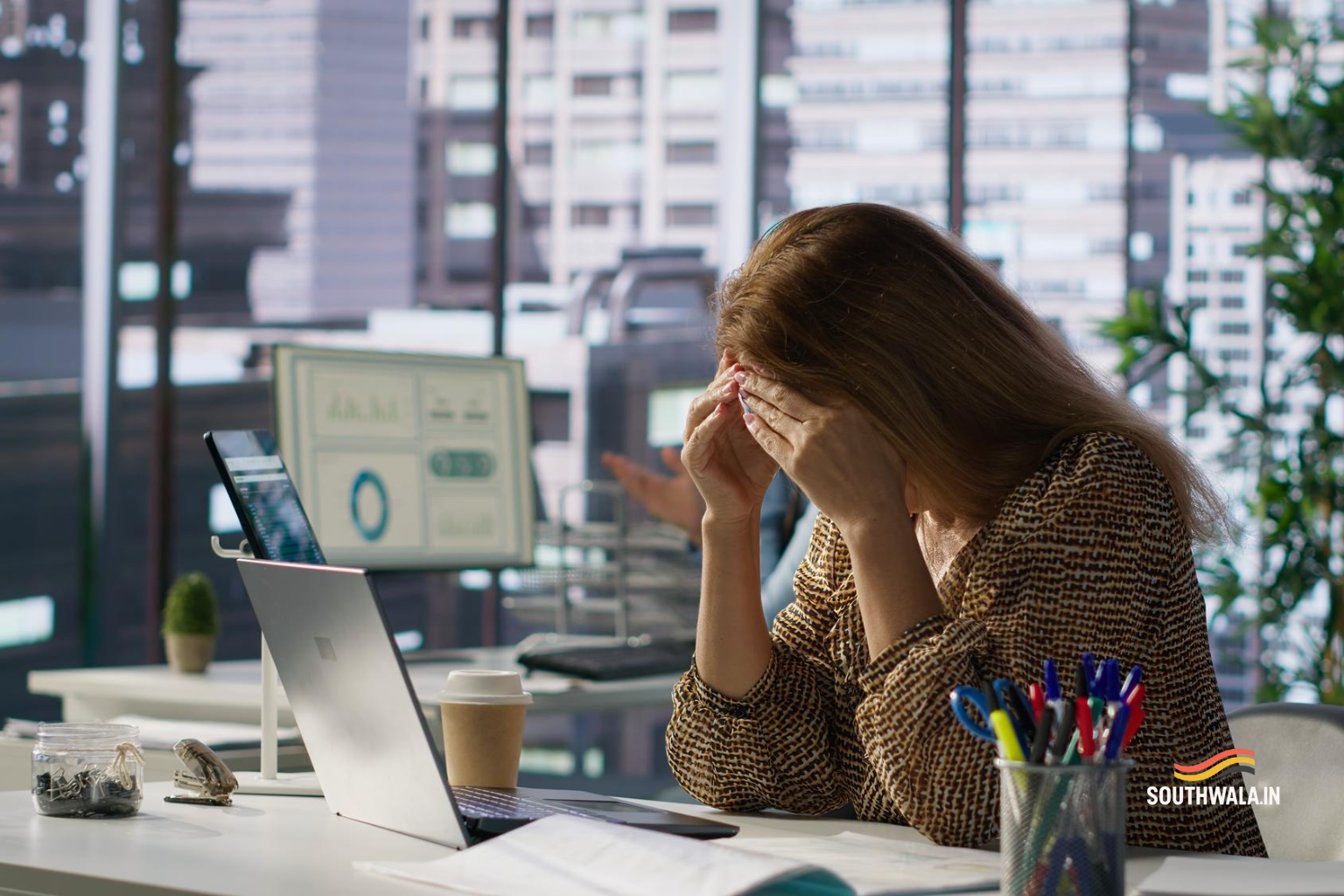
- Performance anxiety is a common emotional and physical reaction that occurs before or during an activity that involves being observed, judged, or evaluated.
- It affects people across all professions and age groups, from students giving presentations to artists performing on stage.
- Though often misunderstood, it is not a weakness but a natural human response to stress.
- Understanding the myths and facts around performance anxiety can help people manage it better and turn nervousness into focus.

Performance anxiety is a common emotional and physical reaction that occurs before or during an activity that involves being observed, judged, or evaluated. It affects people across all professions and age groups, from students giving presentations to artists performing on stage. Though often misunderstood, it is not a weakness but a natural human response to stress. Understanding the myths and facts around performance anxiety can help people manage it better and turn nervousness into focus.
Understanding Performance Anxiety
Performance anxiety happens when the body activates its stress response in anticipation of a high-pressure event. The brain releases stress hormones such as adrenaline, which increase heart rate and sharpen focus. In controlled amounts, this response can improve performance. However, if the reaction becomes too strong, it can cause discomfort and make concentration difficult.
People often experience physical symptoms such as sweaty palms, trembling hands, or a fast heartbeat. Mentally, they may feel fear of judgment, self-doubt, or a sense of losing control. These sensations are temporary but can feel overwhelming if not managed properly.
Common Myths About Performance Anxiety
Myth 1: Only nervous or weak people experience it
Even experienced speakers, athletes, and artists experience performance anxiety. It is a physiological reaction that can affect anyone regardless of confidence or skill level.
Myth 2: More practice removes anxiety completely
Preparation reduces uncertainty but does not eliminate anxiety. The body still reacts to perceived pressure. The goal is to control the response, not suppress it entirely.
Myth 3: Anxiety means you will fail
Feeling nervous does not automatically lead to failure. In fact, mild anxiety can improve alertness and focus. The problem arises only when it becomes excessive.
Myth 4: Avoiding stressful situations solves the problem
Avoidance strengthens the fear over time. Facing small challenges regularly helps the brain adjust and lowers anxiety levels naturally.
Myth 5: Medication is the only solution
While medication can help temporarily in extreme cases, long-term improvement comes through mental training, therapy, and lifestyle changes.
The Facts About Performance Anxiety
Fact 1: It is the body’s natural defense mechanism
Performance anxiety is a biological reaction that prepares the body for action. The same energy that causes nervousness can be redirected to improve performance when managed well.
Fact 2: Thoughts control reactions
The way one interprets nervousness determines its impact. Viewing anxiety as readiness instead of fear changes the body’s response.
Fact 3: It can be managed through habit and awareness
Regular breathing exercises, positive visualization, and mindfulness help reduce tension and improve control over emotions.
Fact 4: Environment plays a role
Unsupportive surroundings or judgmental audiences can heighten anxiety. Creating a positive space helps individuals perform more confidently.
Fact 5: Professional guidance is effective
Therapy methods such as Cognitive Behavioral Therapy and exposure therapy are proven to reduce performance anxiety and improve self-control.
Emotional Triggers Behind Performance Anxiety
Performance anxiety often starts with internal pressure rather than external expectations. Fear of failure, past criticism, or perfectionism can amplify nervousness. Many individuals set unrealistic standards for themselves, creating a mental loop of anxiety and self-criticism.
Social media has also intensified this problem. Constant comparison with others online fuels self-doubt and unrealistic expectations, especially among younger audiences. The need to appear confident or perfect creates additional emotional strain.
Physical and Mental Effects
Performance anxiety affects both mind and body in noticeable ways.
Physical symptoms include increased heart rate, muscle tension, shaky hands, and nausea.
Mental symptoms include fear of judgment, difficulty focusing, and negative self-talk.
Recognizing these signs early allows people to use coping techniques before anxiety escalates.
Techniques to Manage Performance Anxiety
Breathing Control
Deep breathing helps lower the heart rate and calm the nervous system. Slow, rhythmic breathing reduces panic and increases oxygen flow to the brain.
Visualization
Mentally rehearsing a successful performance builds familiarity and confidence. It trains the mind to respond calmly in real situations.
Positive Self-Talk
Replacing negative thoughts with constructive ones like “I am prepared” or “I can handle this” rewires the brain’s stress response.
Gradual Exposure
Start with smaller audiences or less demanding situations to slowly reduce fear and build comfort in performing under pressure.
Healthy Routine
Regular sleep, a balanced diet, and physical exercise keep stress hormones in check and improve emotional resilience.
The Productive Side of Performance Anxiety
Performance anxiety can become a tool for improvement. The same adrenaline that causes fear can sharpen focus and enhance energy. Many top athletes and public speakers use nervousness as motivation to perform better. The key lies in accepting the anxiety rather than resisting it.
People who learn to perform despite fear develop mental strength and emotional discipline. Over time, they no longer fear the feeling but recognize it as a sign that they care deeply about their performance.
Frequently Asked Questions (FAQs)
How does performance anxiety affect daily life
It can cause people to overthink or avoid challenging situations, but awareness and small steps can reduce its impact.
Can performance anxiety be fully cured?
It can be managed effectively through practice, therapy, and mindset change, though mild nervousness may still appear occasionally.
Does lifestyle have an impact on anxiety levels?
Yes, adequate sleep, regular exercise, and reduced caffeine intake improve the body’s ability to handle stress.
Can relaxation methods help before performances
Techniques like deep breathing, meditation, and stretching before an event help calm nerves and improve confidence.
Is professional help necessary for severe cases?
Yes, therapy or coaching can teach coping strategies and help identify mental triggers for better long-term control.
Author


Discover more from Southwala
Subscribe to get the latest posts sent to your email.