Southwala Shorts
- In an age where every sound, screen, and scroll demands attention, the ancient call for self-mastery feels more relevant than ever.
- The idea is simple but profound.
- No one can lead, create, or transform anything externally without first mastering what happens internally.
- Every generation has faced temptation, but this one faces it every 30 seconds through a notification.

In an age where every sound, screen, and scroll demands attention, the ancient call for self-mastery feels more relevant than ever. The idea is simple but profound. No one can lead, create, or transform anything externally without first mastering what happens internally.
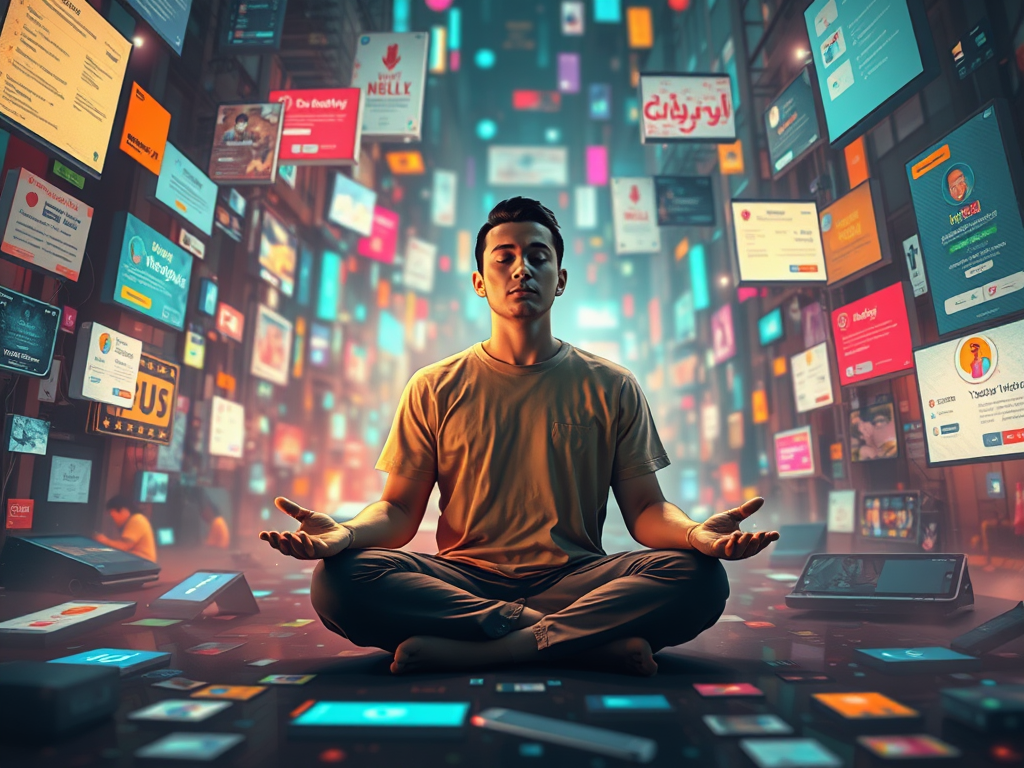
Every generation has faced temptation, but this one faces it every 30 seconds through a notification. The devices in our hands now control our minds more than we control them. The battle is no longer fought outside; it’s fought within against impulses, instant gratification, and endless dopamine loops.
The path to self-mastery is not about withdrawal from life but about reclaiming power over the senses that silently dictate behavior.
The Science of Senses and Dopamine
Human senses evolved for survival, not for overstimulation. The brain releases dopamine, the “reward chemical”, whenever it encounters something new or pleasurable. Ancient humans experienced this when they discovered food, fire, or safety. Today, the same system activates when someone receives a like, a message, or a viral reel.
The modern world has hijacked this neurological wiring. Social media platforms, streaming apps, and even marketing campaigns are designed to exploit the human reward system. The result is overstimulation without satisfaction, a mind that feels busy but never fulfilled.
The more the senses chase stimulation, the weaker the mind’s control becomes.
The Ancient Philosophy of Sense Control
The Bhagavad Gita, Stoic philosophy, and even Buddhist teachings converge on one timeless truth that self-rule begins with sense-rule.
Krishna told Arjuna, “A person who has controlled his senses but still acts with purpose remains stable in wisdom.” Similarly, Stoic philosopher Epictetus said, “No man is free who is not master of himself.”
The principle is identical across traditions; the senses are servants, not masters. The moment they start dictating actions, freedom collapses. True strength lies in awareness, the ability to pause before reacting, to observe before indulging.
The Era of Digital Temptation
Modern life has made self-mastery harder than ever before. Every app is engineered to hold attention. Colors, sounds, and algorithms are designed to keep the brain craving more.
This constant sensory bombardment dulls focus, increases anxiety, and lowers emotional resilience. The endless chase for stimulation prevents deep work, genuine connection, and meaningful rest.
People today are not tired because they work too much; they are tired because they scroll too much.
The cost of losing control over senses is an invisible reduction in attention span, mental fatigue, emotional volatility, and loss of willpower.
The Discipline of Awareness
Self-mastery is not suppression; it is awareness with discipline. The goal is not to silence the senses but to direct them.
Awareness begins with small practices:
- Observing the urge to check the phone before acting on it.
- Eating without distractions to experience real taste.
- Taking conscious pauses during emotional reactions.
- Replacing constant input with deliberate silence or reflection.
These small acts weaken dopamine’s dominance and strengthen mental clarity. Over time, awareness rewires the brain, teaching it that satisfaction comes from control, not consumption.
The Power of Delayed Gratification
Neuroscientists and spiritual teachers agree on one principle like delaying gratification builds inner strength.
Each time an impulse is resisted, the brain’s prefrontal cortex grows stronger, improving decision-making and focus. In contrast, instant gratification feeds short-term pleasure but weakens long-term purpose.
The greatest leaders, thinkers, and creators from Gandhi to Steve Jobs practiced some form of restraint. Their vision came not from endless stimulation but from inner stillness.
The ability to delay pleasure is the ability to sustain purpose.
Self-Mastery as the Foundation of Change
Every movement for transformation begins with personal discipline. A leader who cannot control emotion cannot inspire others. A society that cannot manage consumption cannot create balance.
Self-mastery is the invisible engine behind creativity, leadership, and peace. It is not about perfection but progress in making the inner voice stronger than external noise.
Change in the world does not begin in systems or politics. It begins in individuals who master their impulses, manage their senses, and move with calm intention in a chaotic environment.
As the Gita says, “The one who conquers himself is greater than the one who conquers a thousand men in battle.”
Steps Toward Self-Mastery in Modern Life
- Create Sensory Boundaries
Limit exposure to digital noise. Set defined screen-free hours. Protect mental space like sacred ground. - Reclaim the Morning
Begin the day without digital input. A calm morning sets the tone for a centered mind. - Practice Mindful Consumption
Whether food, media, or words consume with awareness. The senses obey what the mind consciously directs. - Build Silence into Routine
Stillness detoxifies the brain. Silence helps the mind reorient from chaos to clarity. - Reward Effort, Not Stimulation
Redefine pleasure. Let satisfaction come from creation, learning, or discipline, not from instant entertainment.
Self-mastery in the modern world is not a luxury; it is survival. The mind surrounded by constant stimulation can no longer think, feel, or choose clearly. The one who learns to control senses gains the rarest freedom and clarity in a confused world.
The path to peace and power starts with awareness. Control the senses, and the world itself begins to fall into order.
As ancient wisdom reminds us, “He who conquers his senses, conquers the world within and without.”
FAQs
1. How does sense control improve focus?
When the senses stop chasing constant stimulation, the brain can focus deeper on one task, improving clarity and creativity.
2. How does dopamine affect daily behavior?
Dopamine drives the brain to seek pleasure, often leading to habits like over-scrolling or multitasking. Managing dopamine restores discipline.
3. How can one build self-mastery in daily life?
Starting small with consistent habits such as screen breaks, silent reflection, and mindful actions helps train self-control.
4. How does awareness help in managing impulses?
Awareness creates a pause between impulse and reaction, allowing the mind to choose wisely instead of acting emotionally.
5. How does controlling the senses lead to greater freedom?
When senses are mastered, external circumstances lose control over mood and thought, leading to mental independence and inner strength.
Author


Discover more from Southwala
Subscribe to get the latest posts sent to your email.