Southwala Shorts
- Memory defines who we are.
- It shapes identity, emotions, and learning.
- Yet, memory is not a perfect record; it is a living process that changes with time.
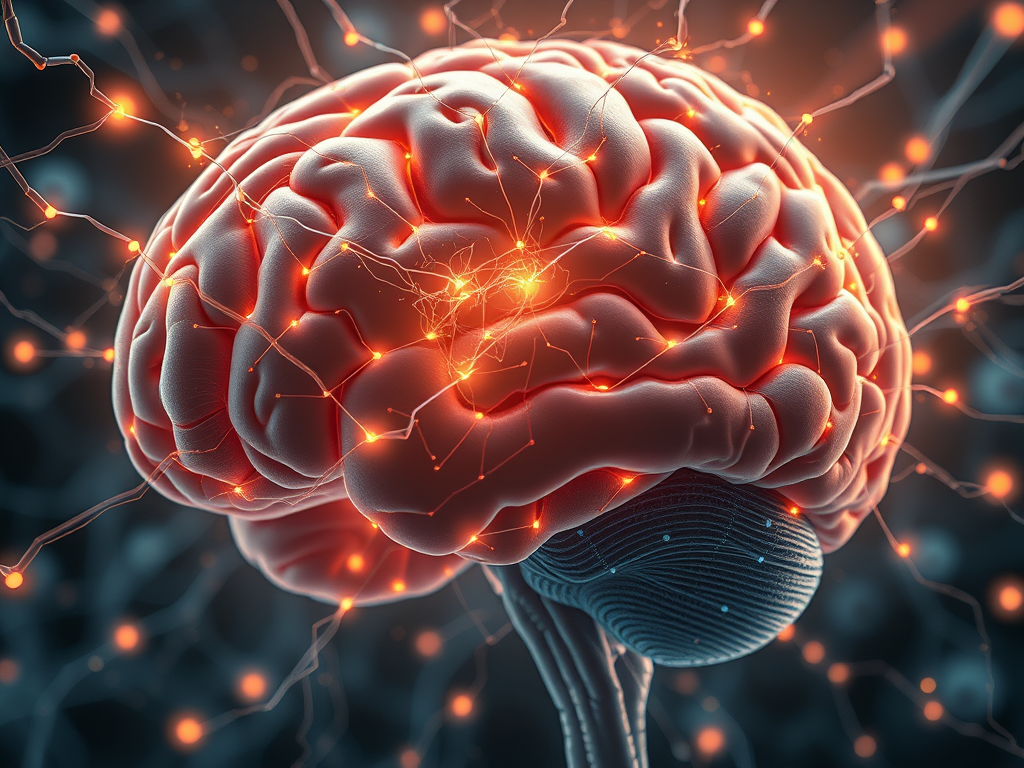
- The brain builds memories through complex electrical and chemical signals, storing experiences and retrieving them when needed.

Memory defines who we are. It shapes identity, emotions, and learning. Yet, memory is not a perfect record; it is a living process that changes with time. The brain builds memories through complex electrical and chemical signals, storing experiences and retrieving them when needed. But just as it stores, it also lets go. Forgetting is not failure; it is a vital function of the human mind.
The Process of Memory Formation
Every experience begins as a burst of information through the senses. The brain filters and processes these signals before turning them into memory. The journey involves three major stages:
- Encoding: The brain translates sensory input into a form it can store. Sounds, sights, or smells turn into neural patterns.
- Storage: Once encoded, the information travels through different brain regions to be stored — some for seconds, others for life.
- Retrieval: When triggered, stored information becomes active again, allowing recall.
Memory is not stored in a single place. It is a network. Different brain regions work together to reconstruct the memory each time it is recalled.
The Brain Regions That Shape Memory
- Hippocampus: The main center for forming new memories and linking them with emotions or places.
- Amygdala: Gives emotional tone to memories, especially those related to fear or pleasure.
- Prefrontal Cortex: Helps in recalling, organizing, and making decisions using stored information.
- Cerebellum: Manages skill-based memory, such as riding a bicycle or playing an instrument.
Each memory depends on communication between neurons. The stronger and more frequent these connections become, the more stable the memory remains.
The Role of Chemicals in Memory Creation
Neurotransmitters like glutamate, dopamine, and acetylcholine play a critical role in memory. These chemicals strengthen the communication between brain cells during learning.
Sleep further helps in this process. During deep sleep, the brain replays neural activity, transferring memories from short-term to long-term storage.
Without enough rest or proper nutrition, the process weakens, leading to forgetfulness or difficulty retaining new information.
Why Forgetting Happens
Forgetting is often misunderstood as a flaw, but it serves an important purpose. The brain removes unnecessary information to stay efficient. Too much memory storage would lead to confusion, not clarity.
Forgetting happens due to several natural processes:
- Decay: Neural connections fade over time if not reactivated.
- Interference: New memories can disrupt old ones, especially if they are similar.
- Retrieval failure: Sometimes memories exist but cannot be accessed temporarily.
- Emotional suppression: Painful or traumatic memories may be buried deep to protect mental balance.
Even forgetting is selective, the brain often retains emotional or survival-related memories longer than neutral ones.
Memory and Aging
As the brain ages, structural and chemical changes occur. The hippocampus shrinks, neurons slow down, and neurotransmitter activity reduces. This makes learning new information or recalling old events slower. However, mental exercise, reading, problem-solving, and meditation can strengthen neural pathways and preserve memory function.
Memory in the Digital Age
In today’s world, external devices, phones, cloud storage, and search engines act as “digital memory.” While convenient, overreliance on them can reduce the brain’s natural recall ability. The mind becomes skilled at remembering where information is stored, not what it is.
True mental fitness now lies in balancing digital dependency with cognitive engagement, reading, reasoning, and creating connections.
The human brain does not record life like a camera; it recreates it every time we remember. Memory is dynamic, emotional, and selective. Forgetting, too, is part of this design, a process that keeps the mind focused on what truly matters.
The goal is not to remember everything but to remember meaningfully.
FAQs
Can the brain create new memories every day?
Yes, every experience activates neurons and builds new memory patterns in the brain.
Can sleep improve memory strength?
Yes, deep sleep helps consolidate and strengthen stored memories.
Can emotions make memories stronger?
Yes, emotional events trigger the amygdala, making such memories more vivid and long-lasting.
Can aging affect memory recall?
Yes, with age, brain cells slow down, but mental activity can delay this decline.
Can the brain intentionally forget painful experiences?
Yes, emotional suppression and trauma defense can cause selective memory blocking.
Author


Discover more from Southwala
Subscribe to get the latest posts sent to your email.