Southwala Shorts
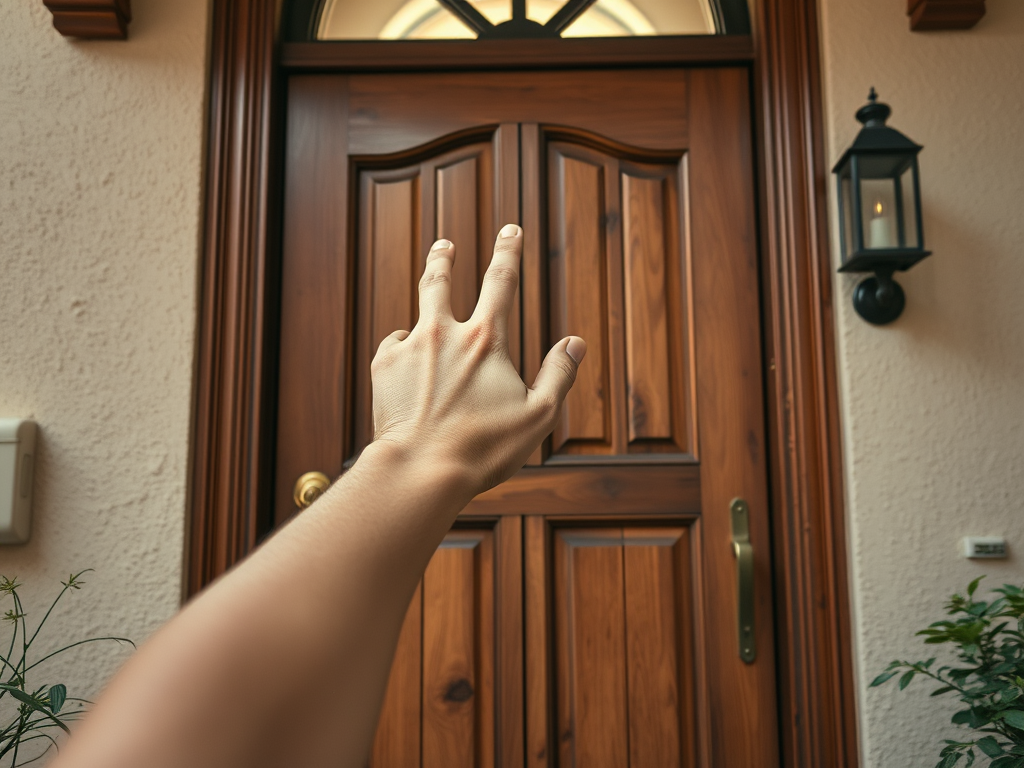
- When you visit someone’s home, you walk up to the door, lift your hand, and knock near the top.
- You’ve probably done it thousands of times without thinking.
- Why not in the middle or bottom, where your hand naturally hangs?
- Doors are built with thicker panels at the bottom for strength and thinner ones at the top for design.

Highlights
- Knocking high makes sure the person inside hears and sees you quickly.
- It feels natural for our body position and is shaped by tradition.
- Old architecture, sacred customs, and even door design keep this habit alive.
- Knocking low is rare because it sends the wrong social signal.
The Everyday Habit We Never Question
When you visit someone’s home, you walk up to the door, lift your hand, and knock near the top. You’ve probably done it thousands of times without thinking. But why there? Why not in the middle or bottom, where your hand naturally hangs?
Reason 1 – The Person Inside Needs to Hear You
Doors are built with thicker panels at the bottom for strength and thinner ones at the top for design. When you knock higher up:
- The sound is sharper and travels better into the room.
- It reaches closer to the ear level of someone standing inside.
If you knock low, the sound gets muffled, and the person may not even hear it clearly especially in noisy surroundings.
Reason 2 – It’s Eye Contact Before the Door Opens
Knocking higher naturally makes the person look at your face when they open the door.
- If you knock low, they might glance down first, then up, breaking that instant connection.
- Socially, a higher knock tells them “I’m an adult visitor here to speak with you” not a child playing a prank.
Reason 3 – Our Bodies Find It Comfortable
Lifting your hand a bit is easier than bending down. Knocking low feels awkward, like picking something off the ground just to say hello.
Standing tall with a raised hand also sends a subtle message of confidence and politeness.
Reason 4 – The Old Door Knocker Tradition
Centuries ago, most doors had heavy metal knockers and they were always fitted high up.
- In medieval Europe, this kept them out of reach of small children or animals.
- In old Indian homes, high placement kept them away from dust, mud, and splashes during monsoon.
Even when knockers disappeared and flat-panel doors became common, the habit of knocking high stayed.
Reason 5 – Sacred & Cultural Meaning
In ancient Hindu tradition, the main door is seen as the house’s sacred entry point. Vastu Shastra the traditional science of architecture considered the top half of the door the “invitation zone,” where respectful visitors would signal their arrival. Knocking high was like sending your greeting upwards to the elders or the divine.
Similarly, in temples, bells are placed high so devotees raise their hands – an act seen as humbling and respectful.
Common Questions People Have
1. Will knocking in the middle work the same?
Yes for sound, but it feels less formal and is less common socially.
2. Why not just call out someone’s name?
In many cultures, shouting at a closed door is rude. Knocking is more polite and gives the host time to prepare.
3. Do doorbells change this habit?
Not really, most doorbells are installed at shoulder or head height, matching the traditional knock position.
4. Is knocking low disrespectful?
Not exactly, but it might be read as childish or unusual, especially in formal situations.
5. Is this habit global?
Mostly, yes. Cultures across Asia, Europe, and the Middle East share the same instinct to knock higher.
The Key Takeway Line
We knock near the top of a door because it’s louder, easier, and socially expected. This small habit comes from a mix of practicality, design, and centuries-old cultural meaning. Next time you knock, you’ll know you’re following a tradition that’s been around for hundreds of years without even realising it.
Author


Discover more from Southwala
Subscribe to get the latest posts sent to your email.