
Southwala Shorts
- Beijing: As tensions between the United States and China continue to shape global politics, many countries in the Global South are choosing not to take...
- Analysts say the reasons lie in competing approaches: while Washington often demands political loyalty, Beijing offers infrastructure investment and a policy of non-interference.
- has historically tied its partnerships to political alignment, security cooperation, and democratic values.
- In contrast, China has expanded its influence through trade, infrastructure loans, and large-scale projects such as the Belt and Road Initiative.

Beijing: As tensions between the United States and China continue to shape global politics, many countries in the Global South are choosing not to take sides. Analysts say the reasons lie in competing approaches: while Washington often demands political loyalty, Beijing offers infrastructure investment and a policy of non-interference.
Competing Models of Influence
The U.S. has historically tied its partnerships to political alignment, security cooperation, and democratic values. In contrast, China has expanded its influence through trade, infrastructure loans, and large-scale projects such as the Belt and Road Initiative.
For governments in Africa, Latin America, and Asia, China’s model is often seen as less restrictive. Beijing typically avoids direct involvement in domestic politics, focusing instead on economic deals that promise immediate benefits.
Foreign Policy Analysis
A new analysis from Foreign Policy highlights how these different approaches are playing out. According to the report, countries facing development challenges prefer to keep their options open rather than be drawn into a binary choice between Washington and Beijing.
China’s emphasis on infrastructure for roads, ports, and energy projects provides tangible results, while U.S. aid often comes with conditions tied to governance reforms or security commitments.
BRICS and Multipolarity
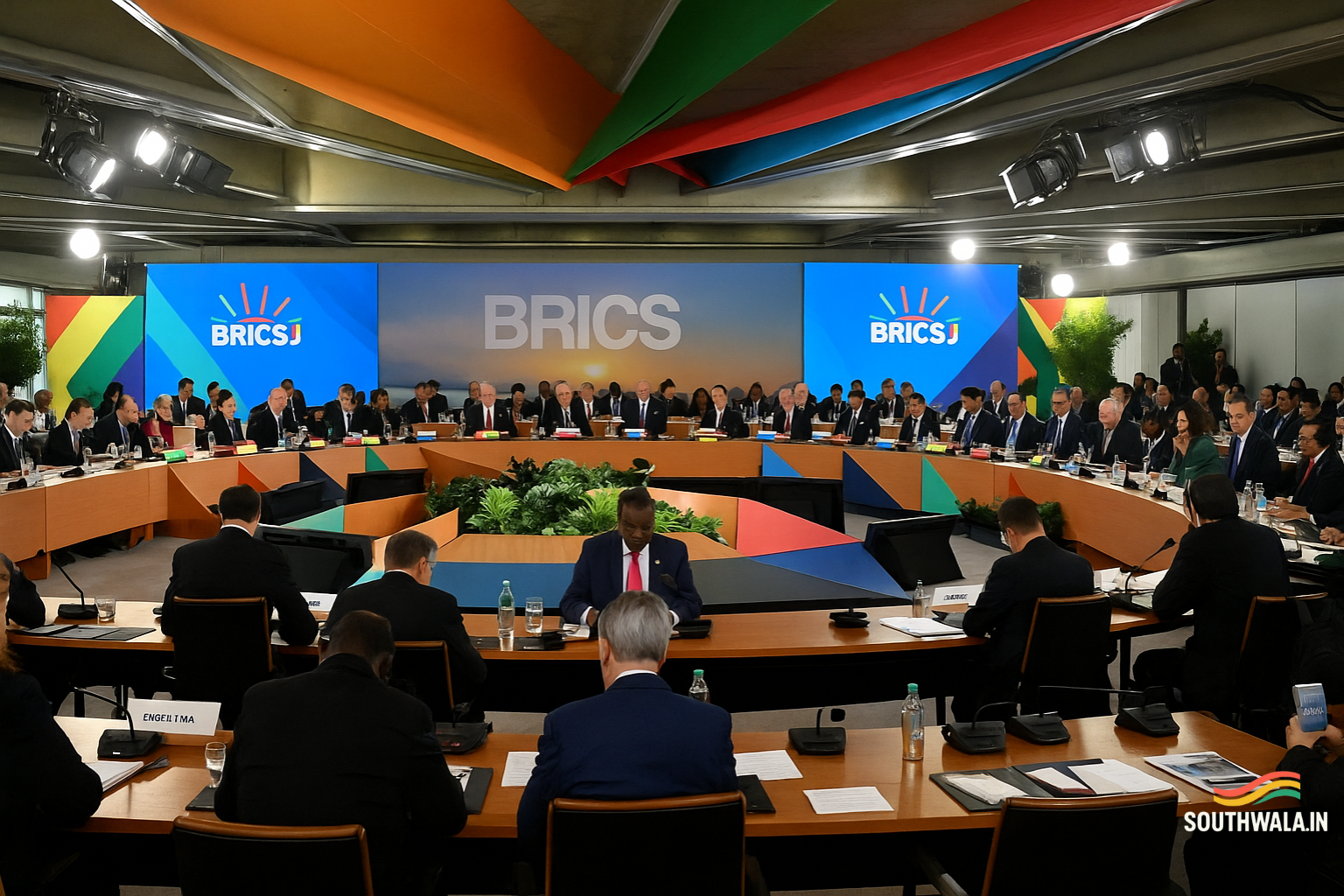
This dynamic has been visible in forums such as BRICS, where emerging economies push for multipolarity rather than alignment with one major power. Many leaders stress that their priority is economic growth, not geopolitical rivalry.
The rise of platforms like BRICS, the African Union’s stronger voice, and regional trade blocs reflects a desire by the Global South to chart its own course. By balancing relations with both Washington and Beijing, these nations aim to maximize benefits while minimizing risks.
Analysts note that while U.S. – China rivalry is likely to intensify, the Global South’s pragmatic stance may shape the future of international politics. Rather than serving as pawns in great-power competition, many countries are asserting their autonomy and redefining global alliances on their own terms.
Author


Discover more from Southwala
Subscribe to get the latest posts sent to your email.

