Southwala Shorts
- Skin is more than just biology.
- It reflects where we live, how we live, and even how we think about beauty and health.
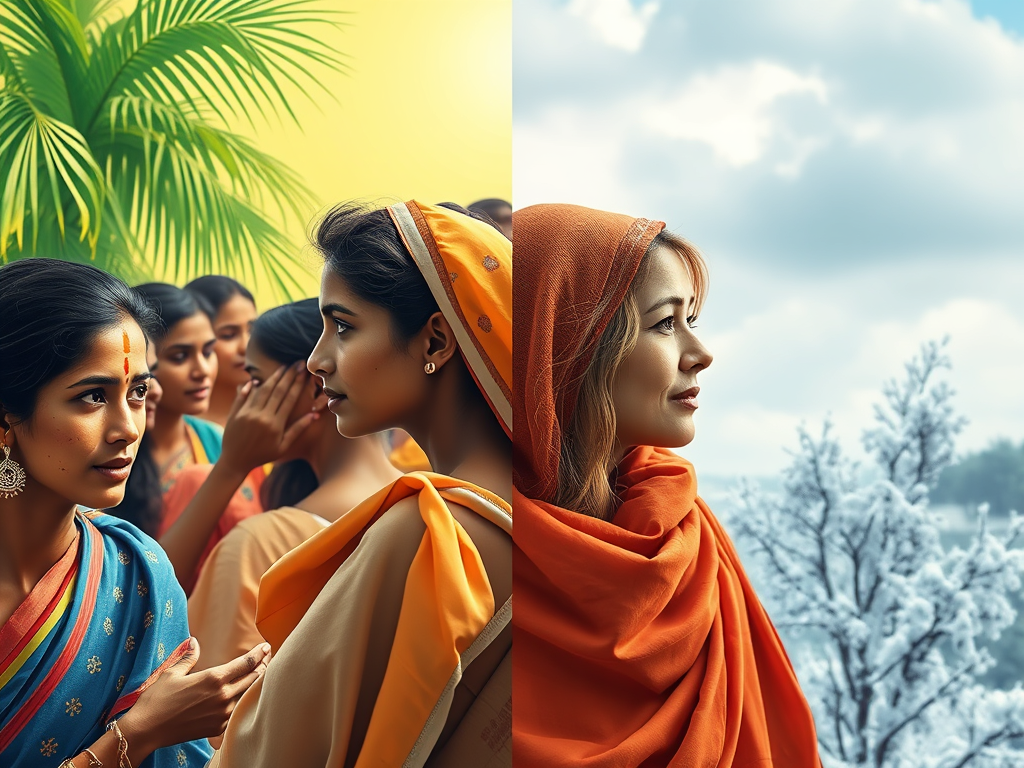
- Having worked with patients in India and now in the UK, I’ve seen first-hand how climate, culture, and healthcare systems shape skin concerns and expectations.
- This blog takes you inside these “two worlds of skin” — exploring what makes them different, and what we can learn from both.

Skin is more than just biology. It reflects where we live, how we live, and even how we think about beauty and health. Having worked with patients in India and now in the UK, I’ve seen first-hand how climate, culture, and healthcare systems shape skin concerns and expectations. This blog takes you inside these “two worlds of skin” — exploring what makes them different, and what we can learn from both.
Climate and Environment: The Foundation of Skin Differences
India: Hot summers, humid monsoons, and pollution-heavy cities mean patients often walk in with issues linked to excess sun exposure, sweat, and environmental stress. Pigmentation, tanning, acne, and fungal infections are everyday battles.
UK: The story changes drastically in colder, drier weather. Skin dries out, conditions like eczema worsen, and many patients struggle with rosacea and sensitivity. Limited sunlight also brings vitamin D-related concerns, which indirectly affect skin health and even aging.
Common Skin Concerns in Each Country
In India:
- Persistent acne and oily skin
- Hyperpigmentation and tanning
- Fungal infections due to humidity
- Hair fall linked to pollution and stress
In the UK:
- Chronic dryness and flaky skin
- Eczema and rosacea
- Sensitivity from harsh winters
- Premature aging signs due to low vitamin D
These patterns highlight how geography alone sets very different “baselines” for skin problems.
Patient Expectations and Mindsets
Patients in India often come seeking quick fixes — home remedies, over-the-counter creams, or cosmetic solutions. Fairness and “instant glow” treatments are heavily demanded, shaped by cultural preferences.
In the UK, patients approach dermatology differently. They tend to value preventive care, evidence-based routines, and long-term results. Many are open to medical-grade skincare and lifestyle changes, even if it takes time to show visible results.
Role of Healthcare Systems
The healthcare system also plays a big role in shaping behavior.
- India: Many patients first try self-diagnosis or home treatments, and only visit doctors when things worsen. Private consultations are common, and cost often guides treatment decisions.
- UK: The NHS pathway creates a structured, referral-based system. Patients usually trust scientific explanations, but public healthcare here is less focused on cosmetic concerns, leaving aesthetic medicine to private clinics.
The Aesthetic and Anti-Aging Angle
This is where the contrast is sharpest.
- India: Anti-aging is still seen as a luxury. Most demand focuses on fairness creams, pigmentation treatments, and hair restoration.
- UK: Anti-aging is tied to health and lifestyle. Preventive treatments like Botox, fillers, and supplements are widely accepted, often started earlier in life.
With a Fellowship in Anti-Aging Medicine from A4M (USA), I see this gap clearly: India’s patients often wait until visible signs appear, while UK patients lean toward prevention.
Bridging the Two Worlds
Both cultures have something to teach each other.
- India can learn the value of preventive skincare and realistic expectations from the UK model.
- The UK can learn the adaptability and resourcefulness of Indian patients, who manage skin health despite tough climate and limited resources.
The real balance lies in combining science with accessibility — making dermatology not just about beauty, but also about confidence and health.
Closing Note
Skin tells a story. Whether it’s the sunburnt glow of an Indian summer or the wind-chapped dryness of a British winter, patients everywhere share one common hope: healthier, happier skin. By experiencing both worlds, I believe dermatology can move beyond cultural boundaries to offer care that is practical, evidence-based, and deeply human.
Author


Discover more from Southwala
Subscribe to get the latest posts sent to your email.