Southwala Shorts
- Sleeping arrangements may look like a small detail of family life, but they actually reveal a lot about culture, tradition, and lifestyle.
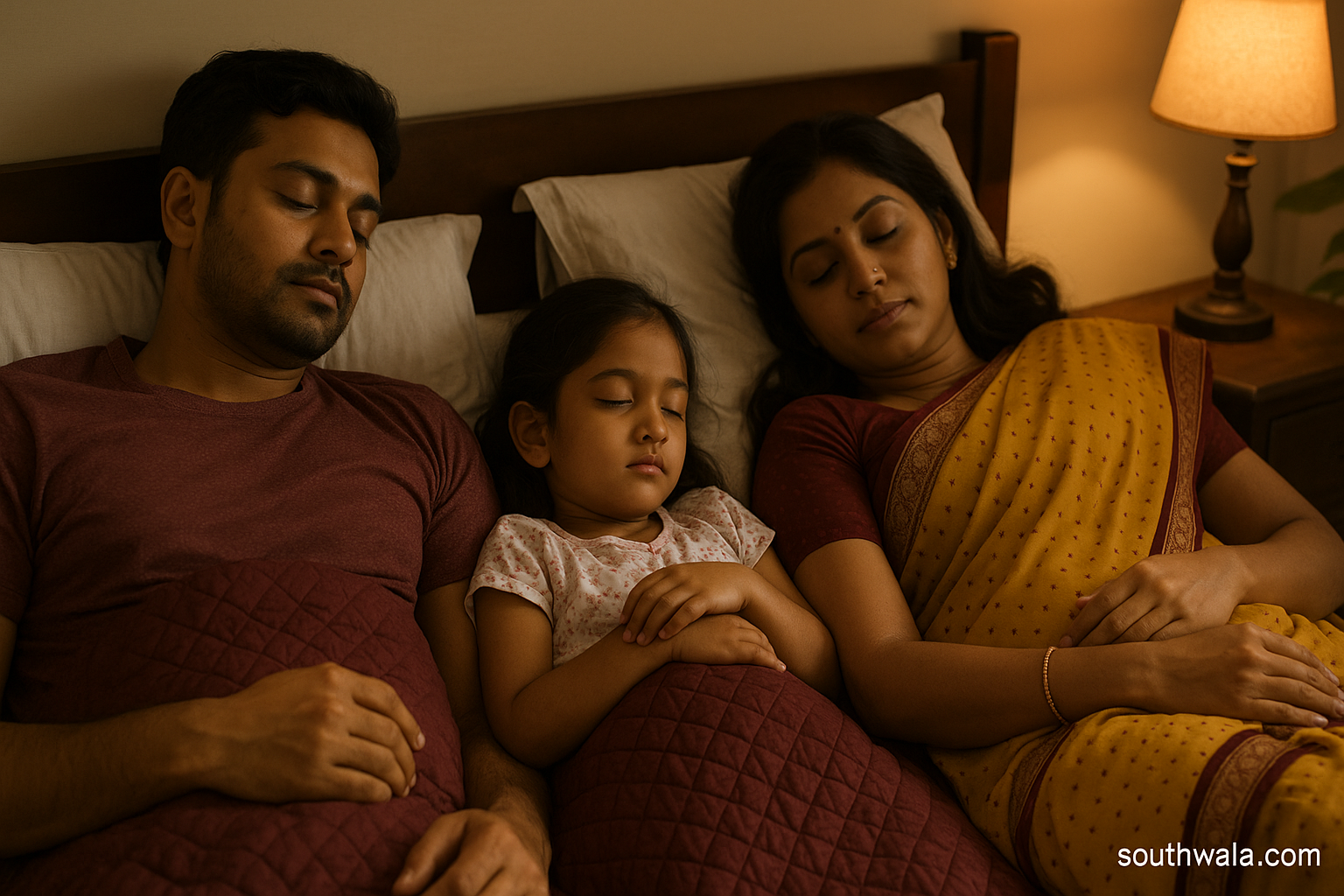
- In India, it is very common for children to share the same room with parents, while in many Western countries, children are given separate rooms...
- This difference is not about right or wrong, but about values, habits, and ways of living.
- In Indian homes, family closeness is considered essential.

Sleeping arrangements may look like a small detail of family life, but they actually reveal a lot about culture, tradition, and lifestyle. In India, it is very common for children to share the same room with parents, while in many Western countries, children are given separate rooms early in life. This difference is not about right or wrong, but about values, habits, and ways of living.
Family Bonding and Emotional Security
In Indian homes, family closeness is considered essential. Children grow up surrounded by parents, grandparents, and sometimes extended relatives. Sleeping in the same room gives children a sense of safety and belonging. Parents also feel comforted knowing their child is close by, especially in the early years. In Western homes, independence is often encouraged early. Children are taught to manage their own rooms, which builds a sense of responsibility and personal space.
Space and Lifestyle Differences
In many Indian households, space is shared among several family members. Apartments or houses may not have the extra rooms needed to give each child separate space. Even in larger homes, parents prefer children nearby for care and protection. In the West, housing is often designed with multiple bedrooms, and children are encouraged to use their own rooms as part of daily life.
Tradition and Culture
Indian traditions see family as one unit where closeness is natural. The practice of co-sleeping also comes from centuries of customs where large joint families lived together under one roof. In Western culture, the focus on individuality has shaped habits where children are seen as separate from a young age. Having their own room is seen as part of learning independence.
Safety and Practical Care
For Indian parents, keeping children close at night is also practical. It allows quick care when children cry, fall ill, or need attention. This habit is stronger in families without babysitters or night-time help. Western parents often rely on baby monitors or child-friendly bedroom designs that make it easier for children to sleep alone.
Changing Times and Blended Practices
Urban India is slowly changing. With modern apartments, nuclear families, and Western influence, more parents are giving children their own rooms. At the same time, some Western families now explore co-sleeping for emotional connection. This shows that habits are not fixed but adapt with time, lifestyle, and choice.
FAQs
1. Do Indian children always share rooms with parents?
Not always. In cities, many parents now provide children their own space, but closeness in early years is still common.
2. Does co-sleeping affect a child’s independence?
Experts say it does not. Children eventually learn independence, though the timing may differ.
3. Is space the only reason for this difference?
No. Culture, traditions, and family values also play a big role.
4. Are Western parents against co-sleeping?
Not necessarily. Some families choose it, but most follow the practice of giving children separate rooms early.
5. Is one system better than the other?
Neither is better. Both reflect cultural values and family priorities
Author


Discover more from Southwala
Subscribe to get the latest posts sent to your email.