Southwala Shorts
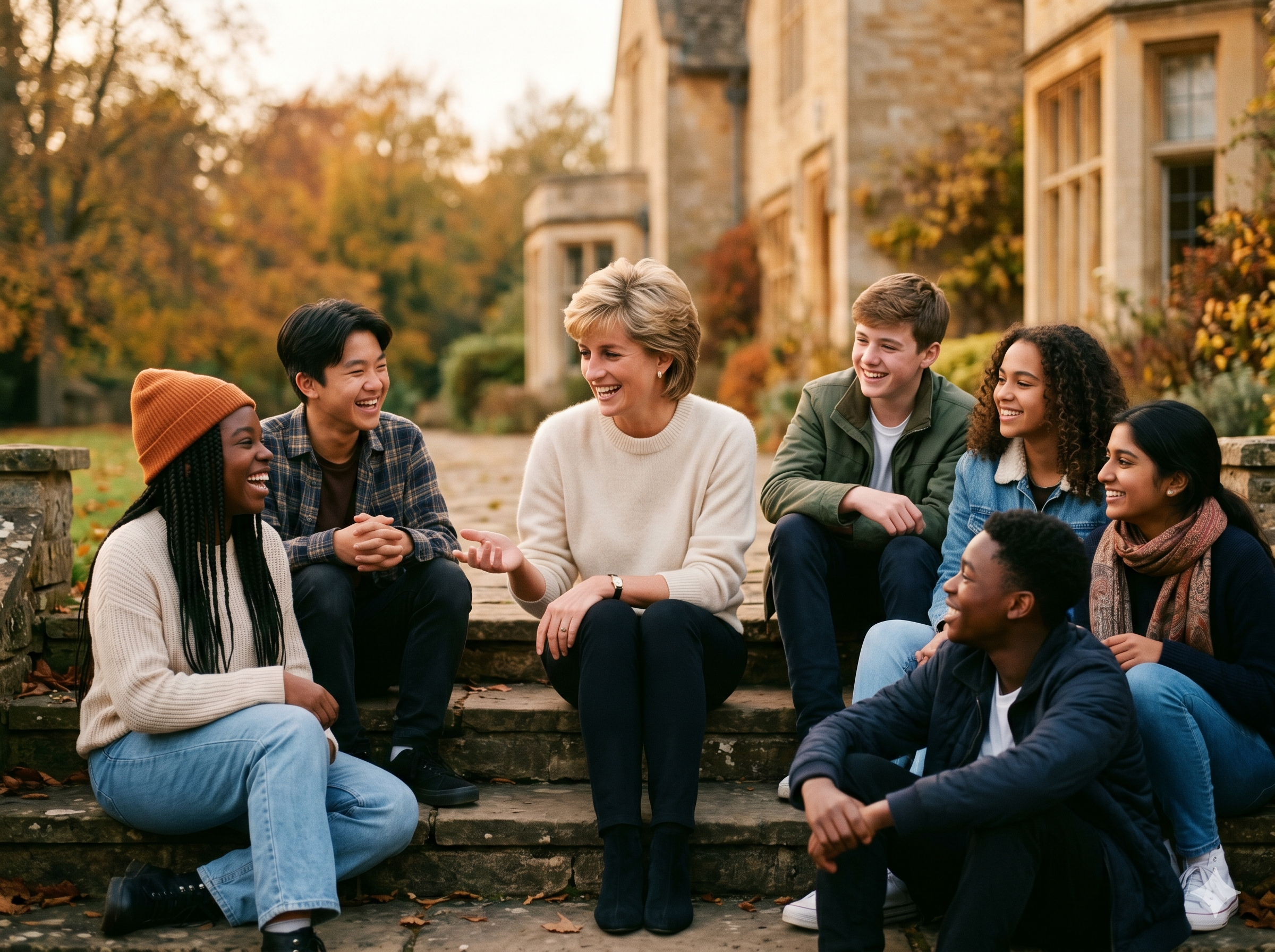
- Friendship has always been a mirror of its time.
- For older generations, it grew on playgrounds, in classrooms, and across neighborhood streets.
- For Gen Z, friendship is shaped by Wi-Fi signals, Instagram stories, and late-night Discord calls.
- Their social world is not limited by distance but by digital connection and shared emotion.

Friendship has always been a mirror of its time. For older generations, it grew on playgrounds, in classrooms, and across neighborhood streets. For Gen Z, friendship is shaped by Wi-Fi signals, Instagram stories, and late-night Discord calls. Their social world is not limited by distance but by digital connection and shared emotion.
This is not a story of disconnection but of evolution in how connection itself is defined.
The Digital Neighborhood
For Gen Z, the online world is not separate from real life. It is part of it. The street corner has turned into group chats and gaming lobbies. Platforms like Instagram, Snapchat, and Reddit serve as the new gathering spots where stories, humor, and emotional support flow freely.
Unlike earlier generations who met physically to bond, Gen Z connects through shared digital experiences. A meme, a short text, or even a reaction emoji is enough to maintain closeness. Their friendships are built through shared rituals of online communication rather than daily physical presence.
Emotional Intimacy Through Screens
Many assume digital friendships are superficial, but Gen Z proves otherwise. Online conversations often create space for vulnerability. The screen provides safety. It becomes easier to share emotions without fear of judgment.
Text messages, voice notes, and late-night video calls have replaced the idea of face-to-face talks. These forms of interaction offer immediate emotional companionship that feels accessible and safe. The emotional connection is real, even if the medium is digital.
The Pandemic Effect
The pandemic pushed Gen Z fully into online socialization. With schools, colleges, and workplaces closed, young people learned to build community through the internet. Platforms like TikTok and Discord became lifelines, allowing people to cope with isolation through creativity and humor.
Even after life returned to normal, the comfort and flexibility of digital connection stayed. Many continued to prefer online spaces where they could express freely, without judgment or pressure.
Shared Identity and Safe Spaces
Gen Z friendships often grow around shared identity, values, and interests. Online communities make it easier to connect with people who truly understand your experiences. Whether it is gaming, music fandoms, mental health discussions, or social activism, young people find belonging beyond geography.
The internet also offers freedom from labels. A teenager in Delhi can share ideas with another in New York without fear of social barriers. These relationships thrive on emotional understanding rather than physical presence.
The Dual Nature of Digital Bonds
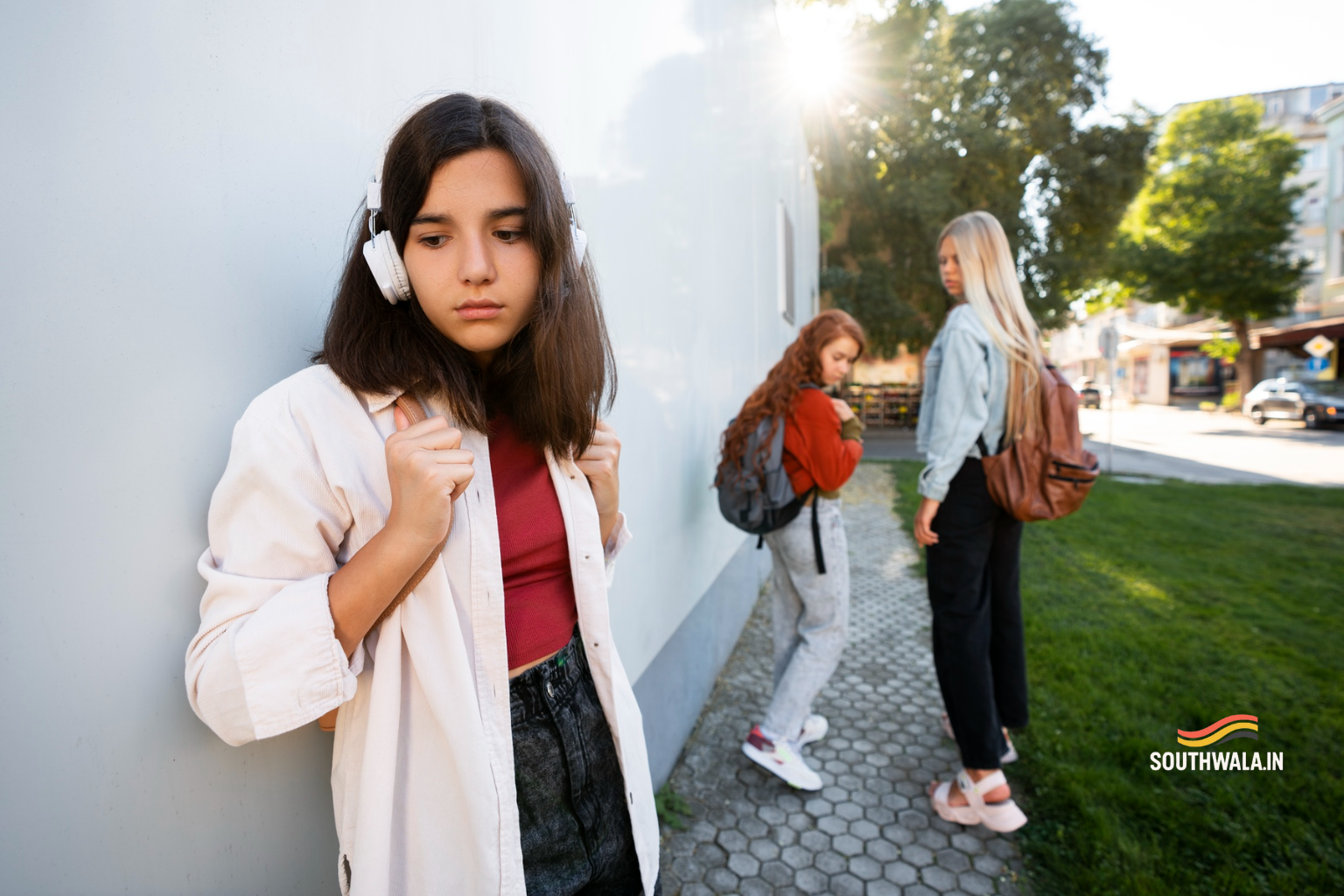
Online friendships bring comfort but also challenges. Too much digital interaction can cause emotional exhaustion or dependence. Constant comparison and the pressure to be online can create stress.
However, for many Gen Z individuals, online spaces remain their only safe communities, especially for those who feel disconnected in their real surroundings. The key lies in balance: using technology to connect rather than to escape.
Redefining Real Connection
For Gen Z, real connection is about being emotionally seen and understood, not about being physically together. Friendship has always been about trust and empathy. The tools have changed, but the essence remains the same.
Screens have not killed human connection. They have expanded it. Gen Z has redefined friendship for the modern era, turning digital networks into emotional ecosystems.
Gen Z’s friendships are no less meaningful; they are more adaptive. These connections thrive through messages, video calls, and online communities rather than physical proximity. The foundation remains human understanding, trust, and belonging; only the setting has changed.
The digital age has not replaced friendship. It has reimagined it.
FAQs
Can Gen Z friendships built online last long?
Yes, many last for years because they are based on trust and shared emotional experiences.
Can online friendships feel real?
Yes, emotional bonds formed online can be as strong as those built in person.
Can spending too much time online harm relationships?
Yes, overuse can cause stress or emotional burnout, so balance matters.
Can online friends meet safely in real life?
Yes, many friendships move from screens to real-world meetings after trust builds over time.
Can social media shape Gen Z’s definition of friendship?
Yes, social platforms influence how young people connect, communicate, and form closeness.
Author


Discover more from Southwala
Subscribe to get the latest posts sent to your email.