Southwala Shorts
- Modern homes are no longer just spaces to live in.
- They are systems that observe, learn, and adapt.
- The rise of Artificial Intelligence (AI) has transformed the idea of a “smart home” into a living ecosystem that understands human behavior, anticipates needs, and...
- Smart homes use AI to go beyond automation and evolve through learning patterns of daily life.

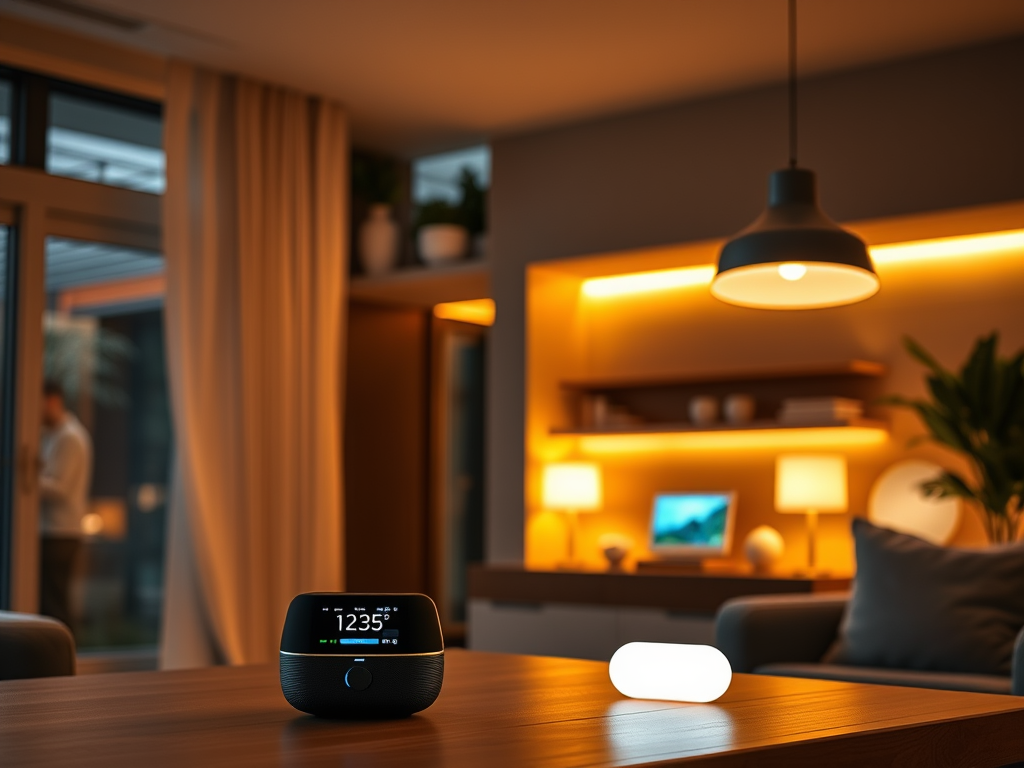
Modern homes are no longer just spaces to live in. They are systems that observe, learn, and adapt. The rise of Artificial Intelligence (AI) has transformed the idea of a “smart home” into a living ecosystem that understands human behavior, anticipates needs, and automates comfort.
Smart homes use AI to go beyond automation and evolve through learning patterns of daily life.
The Brain Behind a Smart Home
Every smart home has a central intelligence made of sensors, devices, and software working together. AI acts as the decision-maker.
Each connected device, from thermostats and lights to speakers and cameras, constantly collects data. This includes temperature preferences, energy use, timing of activities, voice commands, and even motion within rooms.
AI processes this information through machine learning models, identifying patterns in behavior and adjusting systems automatically.
For example:
- If the system detects that the lights are turned off around 11 p.m. every night, it begins doing it automatically.
- If you raise the thermostat every morning at 6 a.m., AI starts heating the room before you wake up.
This process is called behavioral adaptation. Over time, the home learns to act before you even ask.
How AI Understands Routines
AI systems inside smart homes rely on three main layers of learning:
- Data Collection: Devices record usage habits such as lighting hours, appliance timings, and movement.
- Pattern Recognition: Machine learning algorithms detect trends and build a behavioral model of the user.
- Predictive Action: AI predicts what will likely happen next and acts on behalf of the user.
A smart fridge can track grocery patterns and alert you when supplies are running low. A voice assistant can remind you of appointments based on your daily routine.
The longer AI interacts with the household, the smarter the home becomes.
Role of Voice and Gesture Recognition
Voice assistants like Alexa, Google Assistant, and Siri form the communication bridge between humans and AI-driven systems. These assistants do more than respond to commands. They learn tone, language style, and even emotional cues.
In advanced setups, AI integrates with gesture recognition and facial recognition to identify family members, adjusting lighting or temperature based on personal comfort. For instance, the living room may brighten when a specific person enters because the system knows that person prefers more light.
Personalization Through Context
AI does not just react to actions. It understands context. This means it considers time, location, and past preferences before making decisions.
For example:
- During weekends, AI may delay alarm systems or lighting schedules since it learns you wake up later.
- During winter, it increases heating efficiency before sunrise.
- When motion sensors detect no one at home, the system switches to energy-saving mode.
This contextual intelligence turns a smart home from a programmed setup into a living, responsive assistant.
Data Security and Ethical Considerations
AI-driven homes depend heavily on user data. Every interaction, voice command, temperature change, or security alert adds to a database that improves personalization.
However, this also raises privacy concerns.
To ensure safety, leading smart home systems now use end-to-end encryption, local data storage, and anonymized analytics. Users can control permissions, limiting what data is shared with third-party platforms. Transparency in how data is processed builds trust in the AI ecosystem.
The Future of Adaptive Living
As technology progresses, smart homes will move from reactive systems to predictive ecosystems. AI will eventually connect with health data, personal calendars, and even mood detection systems to create environments that adjust automatically.
Lights will calm anxiety, air quality will improve sleep, and music will adapt to emotional states. The home will no longer just serve but will collaborate with its inhabitants, creating harmony between technology and human life.
AI-driven smart homes mark a shift from convenience to intelligence. They learn routines, sense emotions, and make life easier without constant input.
Like a silent observer, AI studies patterns, understands context, and builds a digital reflection of your lifestyle.
A smart home learns, adapts, and evolves, just like the people living inside it.
FAQs
Can AI predict daily habits accurately in smart homes?
Yes, continuous data from connected devices helps AI learn habits and predict actions with high accuracy.
Can smart homes personalize comfort for each family member?
Yes, AI can adjust lighting, temperature, and entertainment settings based on individual preferences.
Can AI save energy in smart homes?
Yes, smart systems reduce unnecessary power use by learning occupancy patterns and adjusting accordingly.
Can voice assistants collect too much personal data?
Yes, but most modern systems now allow users to manage privacy settings and delete stored recordings.
Can smart homes continue learning over time?
Yes, the more you use connected devices, the more AI refines its predictions and personalizations.
Author


Discover more from Southwala
Subscribe to get the latest posts sent to your email.