Southwala Shorts
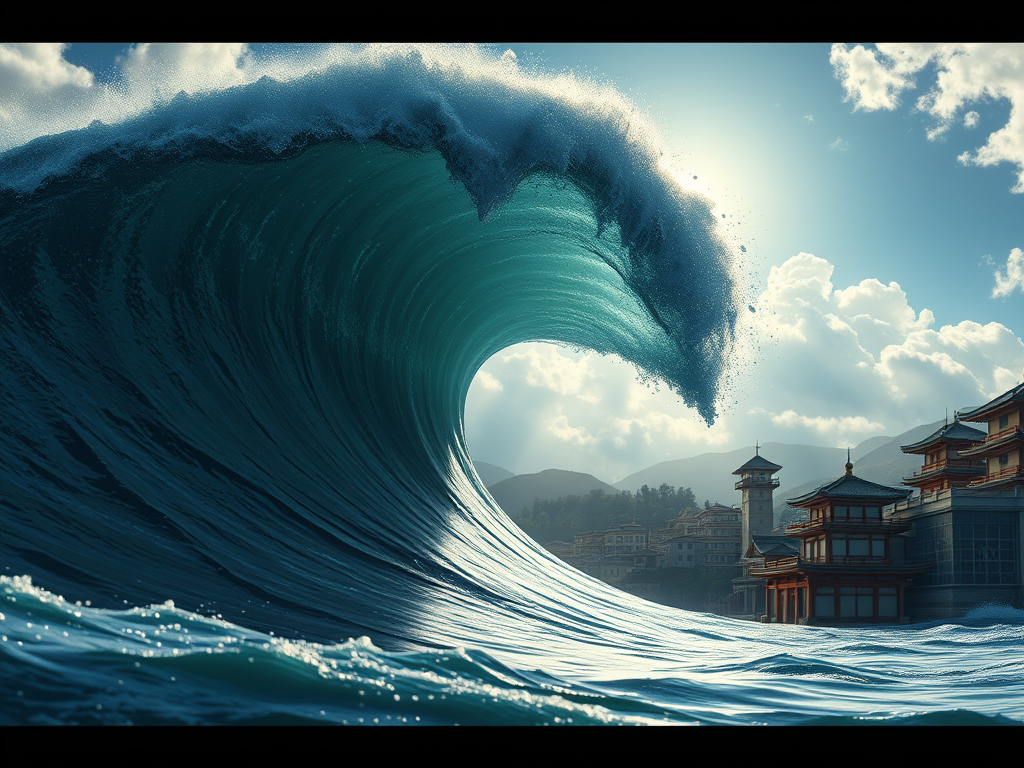
- Tsunamis are not just “big waves.” They are massive, destructive walls of water caused mainly by underwater earthquakes.
- And Japan, sadly, is one of the countries most affected by them.
- But why Japan, specifically?
- Let’s break it down in simple, no jargon English.

Tsunamis are not just “big waves.” They are massive, destructive walls of water caused mainly by underwater earthquakes. And Japan, sadly, is one of the countries most affected by them. But why Japan, specifically? Let’s break it down in simple, no jargon English.
The Science Behind It
Japan sits right on the “Ring of Fire” a horseshoe-shaped zone in the Pacific Ocean where most of the world’s earthquakes and volcanic eruptions happen. This zone is super unstable because it’s full of tectonic plate boundaries giant slabs of the Earth’s crust constantly pushing, pulling, and sliding under each other.
Subduction Zones = Tsunami Factories
One of the biggest reasons Japan faces frequent tsunamis is its location along a subduction zone. Here’s how it works:
- The Pacific Plate (a huge tectonic plate) pushes under the Eurasian Plate right under Japan.
- This builds up insane pressure underwater.
- When the pressure finally releases, the seafloor shifts suddenly.
- That sudden shift displaces water — and boom, a tsunami is born.
Earthquakes and Tsunamis Go Hand in Hand
Not every earthquake makes a tsunami. But when quakes happen underwater in subduction zones, they can trigger giant waves. Japan experiences thousands of earthquakes every year, and many are strong enough to shake the ocean floor violently.
Why the Waves Get So Big
When water is displaced deep under the ocean, the energy spreads in all directions. The waves move fast sometimes faster than a jet plane. Out in the open ocean, they may not look huge. But as they approach shallow coastal waters, they grow taller and more dangerous, turning into massive, destructive walls of water.
Real-Life Example: The 2011 Tōhoku Tsunami
On March 11, 2011, a 9.0-magnitude earthquake struck off Japan’s northeast coast. Within minutes, a huge tsunami hit, wiping out towns, killing thousands, and even causing the Fukushima nuclear disaster. It was one of the deadliest natural disasters in modern history, showing just how vulnerable Japan is.
Beyond Geography: Preparedness Matters
Japan isn’t helpless, though. They’ve built:
- Tsunami warning systems that alert people within minutes.
- Sea walls to reduce wave impact (though not always effective for mega-tsunamis).
- Education and drills so people know exactly what to do when an earthquake hits.
Even with all this, the sheer power of nature makes tsunamis hard to fully control.
FAQs
1. Why does Japan get so many tsunamis?
Because it’s located on the “Ring of Fire” where tectonic plates collide, creating underwater earthquakes.
2. Do all earthquakes in Japan cause tsunamis?
No. Only large underwater quakes in subduction zones cause tsunamis.
3. Can Japan predict tsunamis?
Yes, with warning systems but prediction time is usually just a few minutes.
4. Which was the worst tsunami in Japan?
The 2011 Tōhoku tsunami, which killed over 18,000 people and caused massive destruction.
5. Is Japan the only country at risk?
No. Countries like Indonesia, Chile, and even the US (Hawaii, West Coast) face similar risks. But Japan is hit more often due to its geography.
Author


Discover more from Southwala
Subscribe to get the latest posts sent to your email.