Southwala Shorts
- Across the world, people line up on pavements, near markets, and roadside stalls for one reason is street food just tastes better.
- From Indian chaats and momos to Mexican tacos and Thai noodles, the flavour, freshness, and energy of street food often outshine restaurant dining.
- The magic lies not in luxury, but in the honest simplicity of cooking.
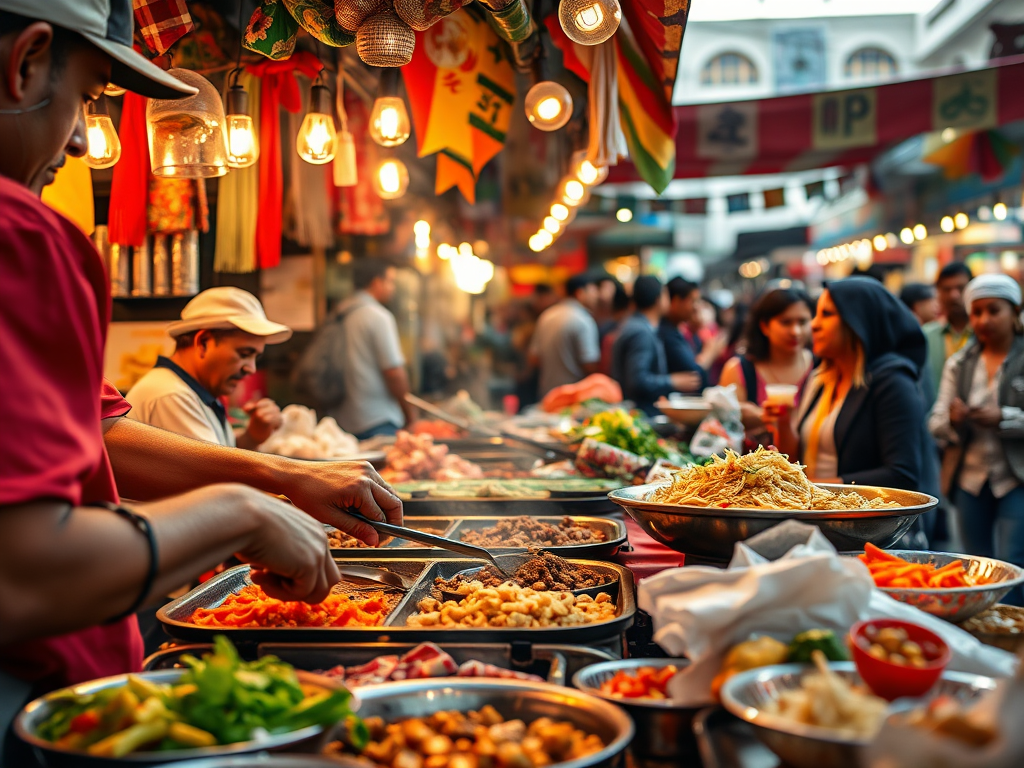
- Street vendors cook in front of their customers.

Across the world, people line up on pavements, near markets, and roadside stalls for one reason is street food just tastes better. From Indian chaats and momos to Mexican tacos and Thai noodles, the flavour, freshness, and energy of street food often outshine restaurant dining. The magic lies not in luxury, but in the honest simplicity of cooking.
The Freshness of Instant Cooking
Street vendors cook in front of their customers. Every ingredient, chopped onion, lime squeeze, or masala sprinkle goes from pan to plate within minutes. This speed means the food rarely sits around or gets reheated. The aroma of sizzling spices and smoky char from open flames gives street food its signature freshness that’s hard to replicate in restaurant kitchens.
The Power of Local Ingredients
Street food reflects the local soil and culture. Vendors use seasonal vegetables, local spices, and nearby market produce. In cities like Delhi, Mumbai, or Bangkok, ingredients often come from nearby wholesale markets each morning. This connection between food and place makes the taste real, earthy, and naturally satisfying.
Restaurants, in contrast, rely on bulk supplies, storage, and standard recipe practices that sometimes take away the natural flavor of ingredients.
The Secret of Small-Scale Cooking
Street food stalls deal with small quantities, cooked in open pans or tavas that hold intense heat. This allows better searing, faster caramelization, and deeper browning all essential for bold flavour. A roadside tandoor or dosa griddle gives smoky and crispy textures that large kitchen setups often dilute through bulk batches and controlled heat.
The size of a street stall is an advantage, not a limitation. Every batch receives the cook’s full attention.
The Element of Risk and Adventure
Street food feels alive. Every bite is unpredictable, every vendor has a twist. Some add extra chili, others sprinkle homemade chutney, and some fry twice for extra crunch. This unpredictability creates excitement. Restaurants follow standardization same recipe, the same plating, the same outcome. Street food thrives on freedom, chaos, and creativity.
The Price of Accessibility
Low cost often means no compromise on generosity. Street vendors rely on crowd volume, not high pricing. This encourages freshness, faster turnover, and constant reinvention. A ₹50 pav bhaji or ₹20 pani puri brings more joy than a ₹500 fine-dining dish because it connects flavour with accessibility, not formality.
Eating on the street removes social barriers; people from all backgrounds stand shoulder to shoulder, enjoying the same food.
The Human Touch
Every street vendor carries their own style a personal signature passed down through generations. Whether it’s a paratha shop that’s been running for 30 years or a fruit seller adding a pinch of salt and chili, these small details give street food a soul. It’s not just food; it’s storytelling through spice and smoke.
Restaurants, however refined, often lose that personal warmth under polished service and corporate systems.
Street food beats restaurant food, not because of luxury but because of life. It’s fast, fearless, and rooted in culture. Every bite holds a story of the city, its people, and its rhythm. While restaurants chase perfection, street food celebrates imperfection. And that’s where the flavour lives.
FAQs
Can street food be safe to eat?
Yes, if cooked hot and fresh in front of you, most street food is safe. Choosing busy stalls helps ensure freshness.
Can street food use better ingredients than restaurants?
Yes, many vendors buy directly from local markets daily, often fresher than bulk restaurant supplies.
Can street food taste better because of the environment?
Yes, the sounds, smells, and energy of the street enhance sensory experience and appetite.
Can restaurant food replicate street food flavours?
Rarely. Controlled kitchens cannot recreate the smoky, high-heat, open-air environment.
Can street vendors earn well from selling food?
Yes, popular vendors often make a steady income through volume and loyal customers.
Author


Discover more from Southwala
Subscribe to get the latest posts sent to your email.