Southwala Shorts
- Elections in India are known for their massive scale.
- Millions of people cast their votes, and the results decide the future of the nation.
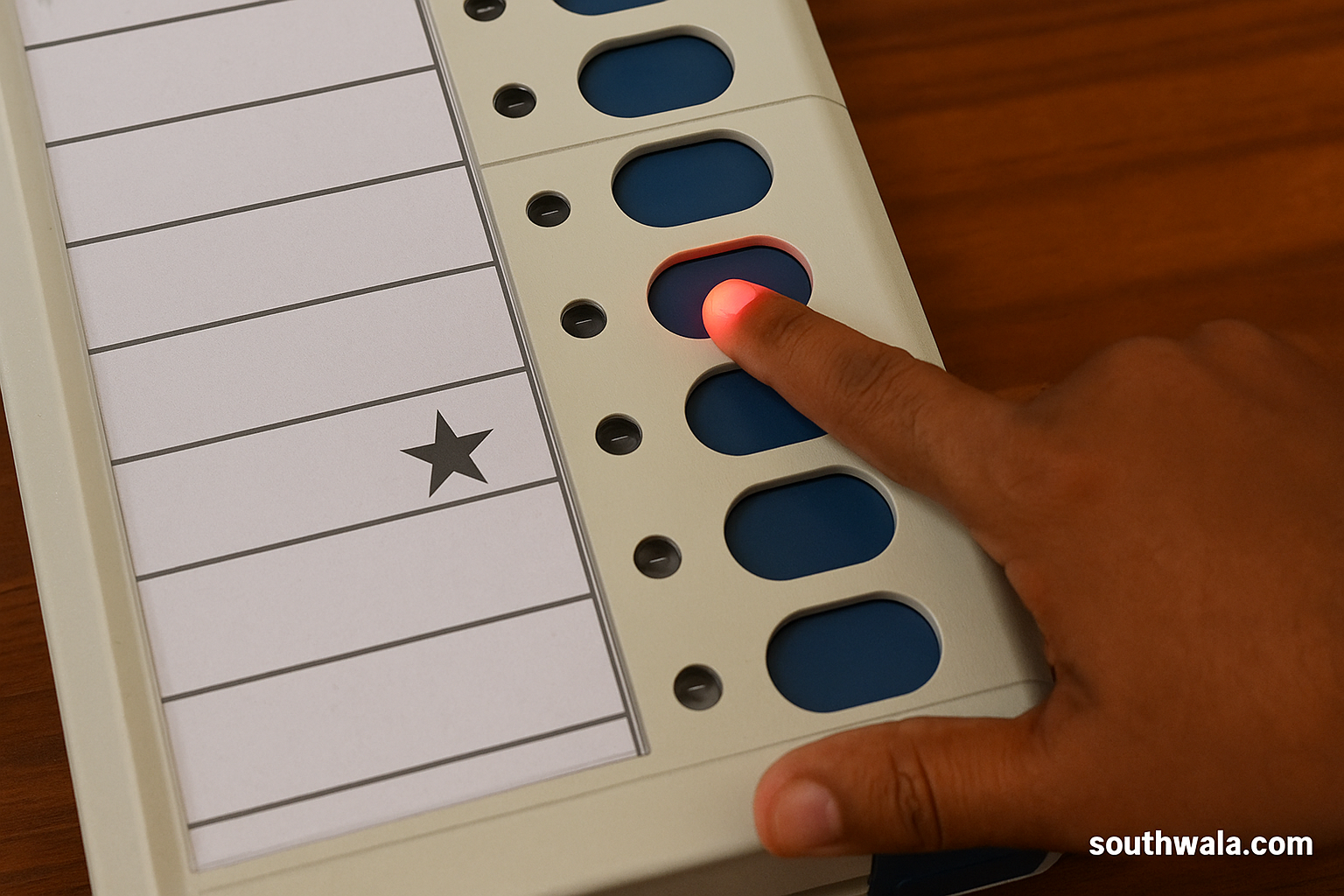
- But sometimes, the fate of a government depends not on millions, but on just one vote.
- This single ballot can keep a leader in power or remove them from office, changing the course of history.

Elections in India are known for their massive scale. Millions of people cast their votes, and the results decide the future of the nation. But sometimes, the fate of a government depends not on millions, but on just one vote. This single ballot can keep a leader in power or remove them from office, changing the course of history.
The Fine Balance of Democracy
Democracy is built on majority rule, but a majority does not always mean a large margin. In some cases, the difference between winning and losing is extremely small. That one extra vote can tip the balance, deciding whether a government survives or falls.
When margins are so narrow, every citizen’s vote carries tremendous power. Choosing to vote or not to vote can make the difference in who leads the country.
Famous One-Vote Moments in Indian Politics
1999 Lok Sabha Trust Vote
In 1999, Prime Minister Atal Bihari Vajpayee’s government faced a trust vote in the Lok Sabha. It lost by just one vote. This tiny margin forced the government to step down and led to early general elections, changing the political course of the country.
1982 Haryana Assembly Vote
In 1982, a Chief Minister in Haryana survived a confidence motion with just one vote in his favour. That single vote allowed his government to complete its term, directly influencing the state’s governance and policies.
These are powerful reminders that politics is not always decided by huge landslides. Sometimes, the smallest number makes the biggest difference.
The Ripple Effect of One Vote
When a government falls or survives by one vote, the impact is massive.
- Laws and policies can change instantly
- Development projects may be delayed or accelerated
- International negotiations can take a different turn
In short, one vote can set a completely new direction for a nation’s future.
Why Every Voter Matters
Many people skip voting because they think their vote will not matter. History proves otherwise. In smaller constituencies, victory margins are often in single digits. Even in national elections, one seat can determine which party forms the government.
Lessons from These Close Calls
- Never underestimate the value of your vote
- Close contests are more common than people realise
- Voting is not just a right, it is a responsibility that can shape the future
Democracy puts the real power in the hands of the people. Every vote matters, but sometimes, one vote can decide the fate of an entire government. The next time you think about skipping election day, remember the moments in history when one vote changed everything. That deciding vote could be yours.
FAQs
1. Has one vote ever changed the national government in India?
Yes. The 1999 Lok Sabha trust vote brought down the central government by just one vote.
2. Does this happen in state assemblies?
Yes. Several state governments have survived or fallen because of a one-vote difference.
3. Are such close results rare?
No. They happen more often than most people realise, especially in local and small constituency elections.
4. How does one vote make a difference in such a big system?
If the final margin is small, even a single vote can change the winner, which in turn can change the government.
5. How can I make sure my vote is counted?
Check your name in the voter list in advance and vote at your assigned polling booth on election day.
Author


Discover more from Southwala
Subscribe to get the latest posts sent to your email.