
Southwala Shorts
- The Board of Control for Cricket in India (BCCI) Secretary and Asian Cricket Council (ACC) President, Jay Shah, has firmly rejected the Pakistan Cricket Board’s...
- The complaint was lodged after tensions escalated during the India-Pakistan Asia Cup clash, where a handshake controversy between players sparked heated exchanges.
- The PCB had approached the ICC, led administratively by Jay Shah, expressing dissatisfaction with Pycroft’s handling of the post-match situation.
- Reports suggest that Pakistan had even considered boycotting the Asia Cup match after Indian players did not participate in the traditional handshake with Pakistani cricketers,...

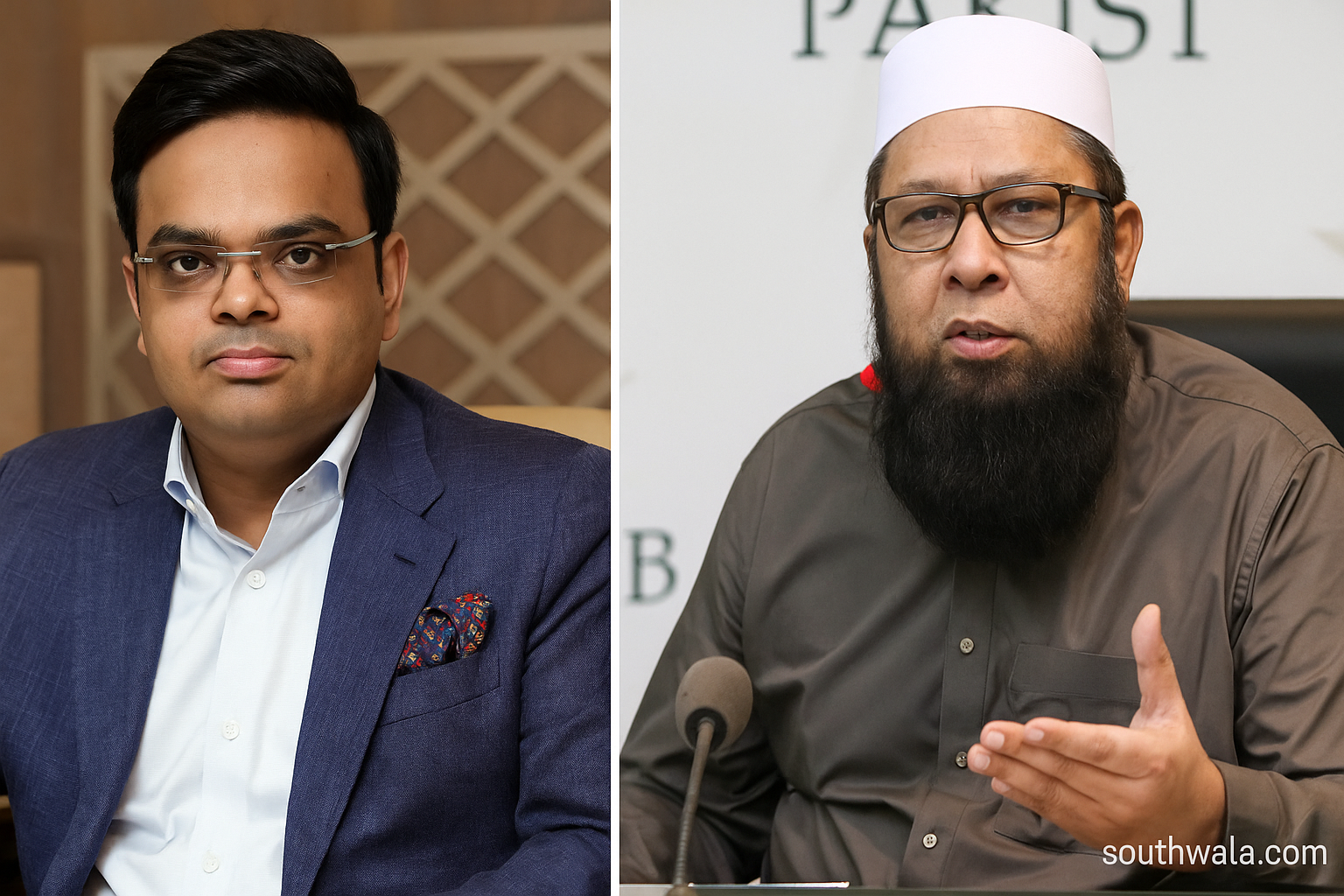
The Board of Control for Cricket in India (BCCI) Secretary and Asian Cricket Council (ACC) President, Jay Shah, has firmly rejected the Pakistan Cricket Board’s (PCB) demand to remove International Cricket Council (ICC) match referee Andy Pycroft. The complaint was lodged after tensions escalated during the India-Pakistan Asia Cup clash, where a handshake controversy between players sparked heated exchanges.
The PCB had approached the ICC, led administratively by Jay Shah, expressing dissatisfaction with Pycroft’s handling of the post-match situation. Reports suggest that Pakistan had even considered boycotting the Asia Cup match after Indian players did not participate in the traditional handshake with Pakistani cricketers, an incident that drew attention both on and off the field.
Jay Shah rejected PCB’s demand outright, emphasizing the independence of ICC match officials and their decisions. He stated that removing a referee over such a matter would undermine the integrity of the game’s governing body. By standing firm, Shah signaled India’s unwillingness to bow to Pakistan’s pressure on administrative issues.
The standoff has once again highlighted the strained cricketing relations between India and Pakistan. While PCB officials had hinted at boycotting future Asia Cup matches if their concerns were ignored, Shah’s firm response appears to have neutralized the demand. The rejection raises questions about whether Pakistan will continue to participate in the tournament or escalate the matter further.
The incident adds another chapter to the long history of disputes between the two cricket boards. It also underscores how cricketing encounters between India and Pakistan often extend beyond the field, touching on issues of governance, diplomacy, and national pride.
With the Asia Cup ongoing, all eyes are on whether Pakistan will follow through on its boycott threats or move forward with the tournament. For now, Shah’s decision has been hailed as a strong stance by the Indian side, framing the episode as a test of cricketing diplomacy in the region.
Author


Discover more from Southwala
Subscribe to get the latest posts sent to your email.

