Southwala Shorts
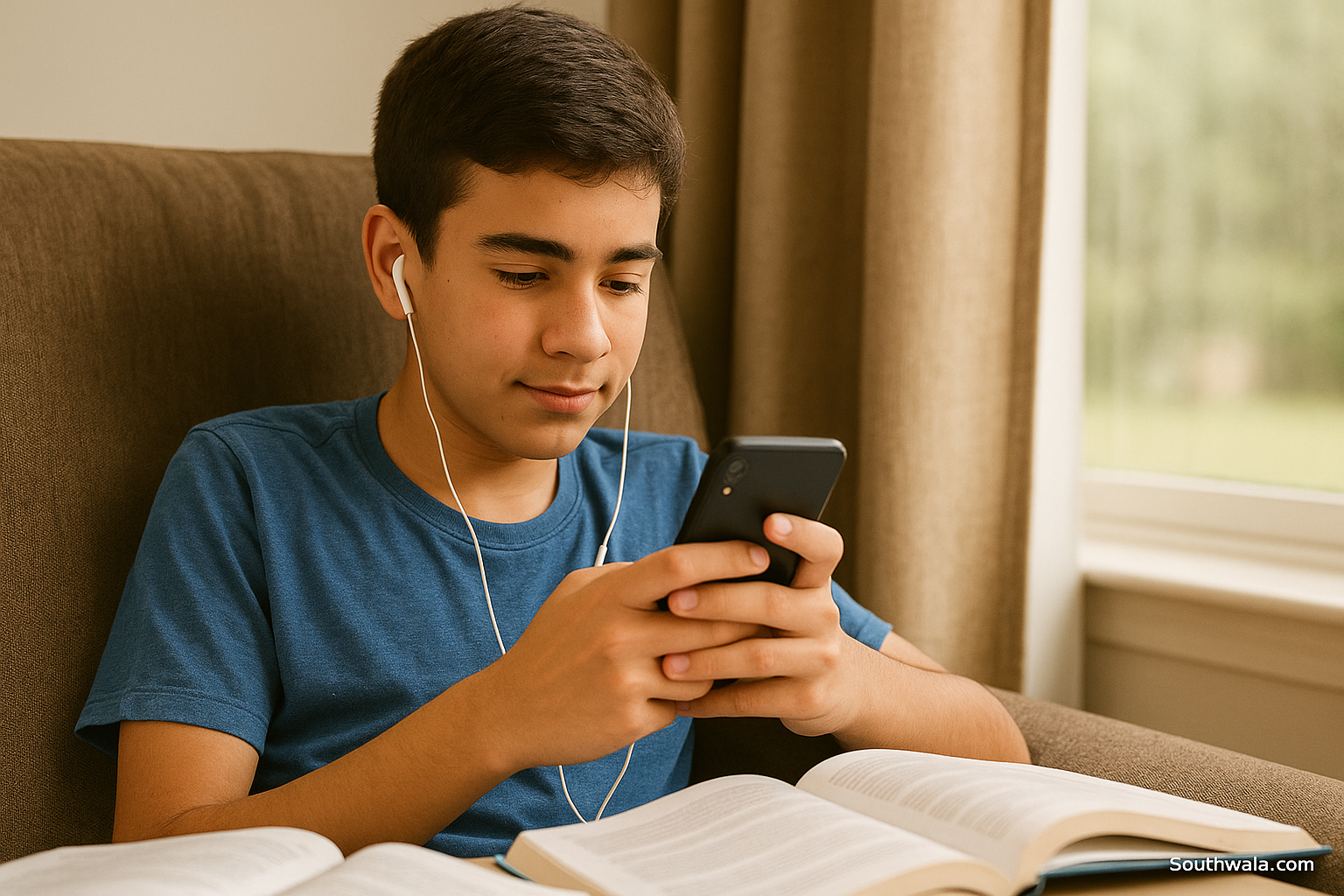
- Mobile phones are no longer just for making calls or chatting with friends.
- For students, they have become one of the most powerful learning tools.
- From quick searches to full online courses, these small devices are transforming the way education works.
- Students no longer need to wait for books from libraries or teachers’ notes.

Mobile phones are no longer just for making calls or chatting with friends. For students, they have become one of the most powerful learning tools. From quick searches to full online courses, these small devices are transforming the way education works.
Access to Knowledge Anytime
Students no longer need to wait for books from libraries or teachers’ notes. With a mobile phone, one can instantly search for answers, watch an educational video, or read an article on any topic. For example, a student preparing for science exams can quickly look up diagrams and explanations on their phone before class.
Interactive Learning Through Apps
Mobile phones give students access to learning apps that make study more interesting. Apps for mathematics, coding, and even languages turn lessons into games. This makes learning less boring and more engaging. For instance, a student struggling with vocabulary can use language apps that provide flashcards and quizzes daily.
Connecting with Teachers and Classmates
Phones help students stay connected with their teachers and classmates beyond school hours. Through chat groups and video calls, they can clear doubts or share notes. During the pandemic, this became the lifeline of education as mobile phones allowed millions of students to attend online classes.
Personalized Learning Pace
Every student learns at a different speed. Mobile phones allow them to pause, rewind, or replay lessons. For example, if a student finds mathematics difficult, they can watch the same tutorial multiple times until they understand it. This freedom was not possible in traditional classrooms where teachers have limited time.
Exposure Beyond Classrooms
With mobile phones, students are not limited to what is taught in school. They can watch global lectures, attend virtual workshops, and even learn skills like photography, coding, or music. A teenager in a small town can now access the same knowledge as someone in a big city or even abroad.
Risks to Watch Out For
While mobile phones are powerful, they also come with risks like distraction, overuse of social media, and reduced physical activity. Parents and teachers must guide students to use mobile phones mainly as learning tools. Balance is the key to making sure phones support growth rather than harm it.
FAQs
1. Do mobile phones really help students in studies?
Yes, they give students access to instant information, learning apps, and online courses that make studying easier and more interactive.
2. Can mobile phones replace textbooks completely?
No, textbooks are still important for structured learning, but mobile phones act as a strong support system by providing additional explanations and real-time updates.
3. What subjects benefit the most from mobile learning?
Almost all subjects benefit, but science, languages, and mathematics see the most improvement because of visual and interactive content.
4. Are mobile phones harmful for children’s education?
They can be harmful if overused for gaming or social media. With proper monitoring, they can become one of the most useful learning tools.
5. Will mobile phones shape the future of education?
Yes, mobile learning is becoming the future of education by making learning more accessible, personalized, and global.
Author


Discover more from Southwala
Subscribe to get the latest posts sent to your email.