Southwala Shorts
- India’s traditional greetings go far beyond politeness.
- They are rooted in a deep understanding of human energy, health, and social harmony.
- From the folded hands of Namaste to the respectful Touching of Feet, every gesture carries scientific, psychological, and even medical significance.
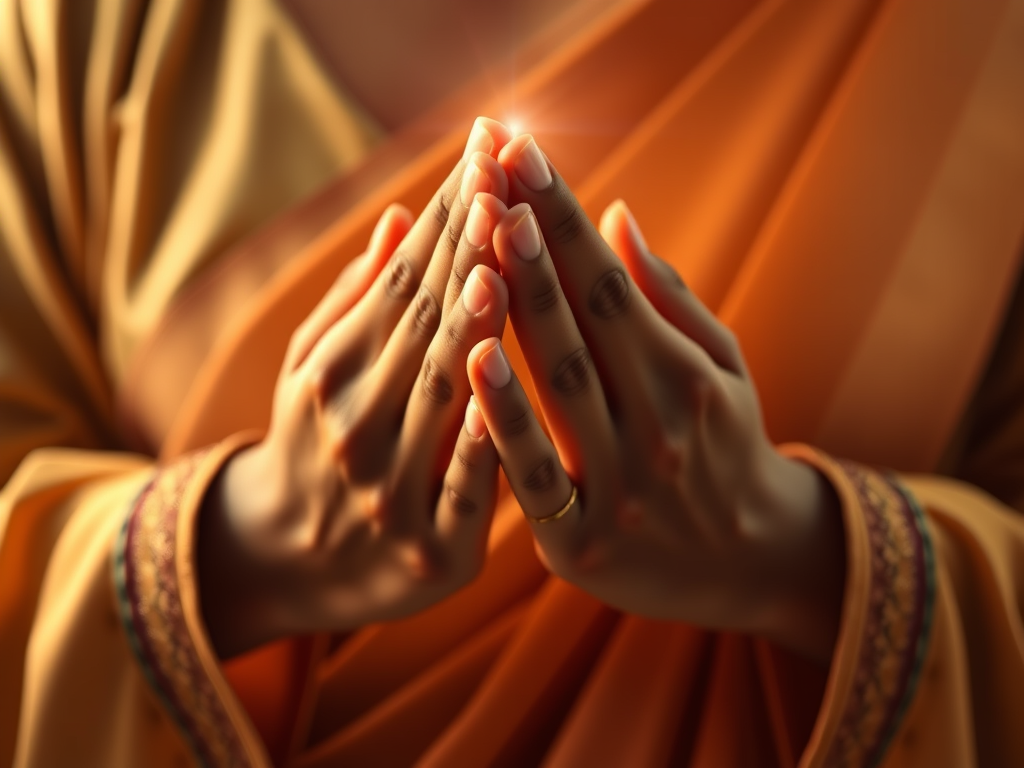
- The gesture of Namaste involves pressing both palms together near the chest with fingers pointing upward.

India’s traditional greetings go far beyond politeness. They are rooted in a deep understanding of human energy, health, and social harmony. From the folded hands of Namaste to the respectful Touching of Feet, every gesture carries scientific, psychological, and even medical significance.
Namaste: Balancing Energy and Respect
The gesture of Namaste involves pressing both palms together near the chest with fingers pointing upward. This act is more than a symbol of respect it carries physiological meaning.
- Neural Stimulation: The fingertips are rich in nerve endings. Pressing them together activates pressure points that calm the mind and improve focus.
- Energy Alignment: Ancient Indian thought sees the right and left sides of the body as representing logic and emotion. Joining hands symbolizes uniting both energies.
- Social Harmony: Saying “Namaste” avoids physical contact, maintaining hygiene while still expressing warmth, a practice that proved valuable even in modern times, like during the COVID-19 pandemic.
Touching Feet: Science of Humility and Connection
Touching the feet of elders, known as Charan Sparsh, may look cultural, but it also carries bioelectric and psychological benefits.
- Energy Exchange: The human body generates electromagnetic energy. Bowing low allows the transfer of positive energy from the elder to the younger person.
- Posture Benefits: The bending posture increases blood flow to the brain and stretches the spine, enhancing flexibility.
- Psychological Reset: The act of bowing lowers ego and fosters humility, promoting better emotional balance.
Namaskar: A Yogic Gesture
Namaskar is slightly different from Namaste. While Namaste is a greeting, Namaskar is also an expression of spiritual acknowledgment; “the divine in me bows to the divine in you.”
In yogic science, joining palms at the heart center connects the Anahata Chakra, believed to govern love, balance, and compassion. This synchronization creates a moment of mindfulness, even in a brief greeting.
Pranam: The Energy Flow in Reverence
In temples or formal gatherings, Indians often perform Pranam, bowing down or lying flat with hands stretched forward. Scientifically, this posture improves blood circulation and activates the parasympathetic nervous system, bringing calmness and grounding the body’s energy.
Pranam also increases serotonin levels (the happiness hormone), helping reduce stress and tension.
Hand Gestures and Vibrational Energy
Many Indian greetings involve specific Mudras (hand gestures) that influence brain activity. When the hands form certain shapes, they help channel energy flow through the body’s meridians. This is the same principle used in yoga and meditation.
For instance, Anjali Mudra, the hand position used in Namaste, reduces anxiety, balances hemispheric brain activity, and improves concentration.
Greetings Beyond Words
Indian greetings were designed with scientific mindfulness long before modern neuroscience or psychology existed. Each act was meant to:
- Build respect and emotional connection
- Promote physical and mental well-being
- Maintain social hygiene and balance
- Strengthen energy flow between individuals
This integration of body, mind, and spirit makes Indian greetings a living example of applied science hidden in culture.
Every traditional Indian greeting reflects a blend of biology, psychology, and spirituality. Behind every Namaste or Charan Sparsh lies an evolved understanding of human energy and emotional intelligence. These practices, often dismissed as ritualistic, reveal how ancient India combined science with daily life to nurture well-being and connection.
FAQs
Can Namaste improve focus and calmness?
Yes, pressing palms together stimulates nerve points that promote calmness and balance.
Can touching feet have physical benefits?
Yes, the posture enhances blood circulation and helps stretch the spine.
Can traditional greetings reduce stress?
Yes, gestures like Namaskar and Pranam activate the parasympathetic nervous system, helping the body relax.
Can Indian greetings have energy-based benefits?
Yes, yogic science suggests energy exchange and chakra alignment happen through these gestures.
Can modern life still include traditional greetings?
Yes, they fit naturally into daily life, promoting respect and mindfulness even in digital or professional spaces.
Author


Discover more from Southwala
Subscribe to get the latest posts sent to your email.