Southwala Shorts
- Diwali, known as the Festival of Lights, is not only a celebration of joy but also a spiritual reminder of light conquering darkness.
- Among all deities worshipped during Diwali, Goddess Lakshmi holds the central place.
- She represents wealth, prosperity, purity, and divine grace, qualities every home seeks to invite on this auspicious night.
- Goddess Lakshmi embodies abundance and balance.

Diwali, known as the Festival of Lights, is not only a celebration of joy but also a spiritual reminder of light conquering darkness. Among all deities worshipped during Diwali, Goddess Lakshmi holds the central place. She represents wealth, prosperity, purity, and divine grace, qualities every home seeks to invite on this auspicious night.
The Divine Symbolism of Goddess Lakshmi
Goddess Lakshmi embodies abundance and balance. She blesses not only material prosperity but also spiritual wealth such as peace, harmony, and inner satisfaction. Her presence is believed to remove poverty, negativity, and sorrow from life.
Lakshmi is also associated with Karma and Dharma, symbolizing that true wealth arises from righteous actions and hard work. Diwali night is not just a call for money but for clean living, gratitude, and generosity.
Connection Between Lakshmi and the Night of Diwali
According to ancient scriptures and Puranas, Diwali marks the night when Goddess Lakshmi emerged during the churning of the cosmic ocean, also known as Samudra Manthan. On this night, she chose to bless those who keep their homes pure, their minds calm, and their hearts kind.
The night of Amavasya during Diwali is believed to be the darkest night of the year. Lighting diyas, keeping the home clean, and performing Lakshmi Puja symbolize inviting light and divine energy into the darkness of material and spiritual ignorance.
Historical and Mythological Beliefs
In the Vaishnava tradition, Goddess Lakshmi is worshipped as the divine consort of Lord Vishnu. On Diwali, Lord Vishnu is believed to return from exile, and Lakshmi follows him home, blessing the world with wealth and well-being.
In North India, Diwali marks the return of Lord Rama to Ayodhya after 14 years of exile. The people of Ayodhya lit lamps to welcome him, symbolizing the victory of good over evil and the blessings of Lakshmi for a kingdom of righteousness.
In Jain tradition, Diwali also marks Lord Mahavira’s attainment of Nirvana, linking Lakshmi’s presence to spiritual awakening.
These layers of meaning show how the worship of Goddess Lakshmi connects not only to wealth but also to dharma, liberation, and purity of purpose.
Rituals and Beliefs Around Lakshmi Puja
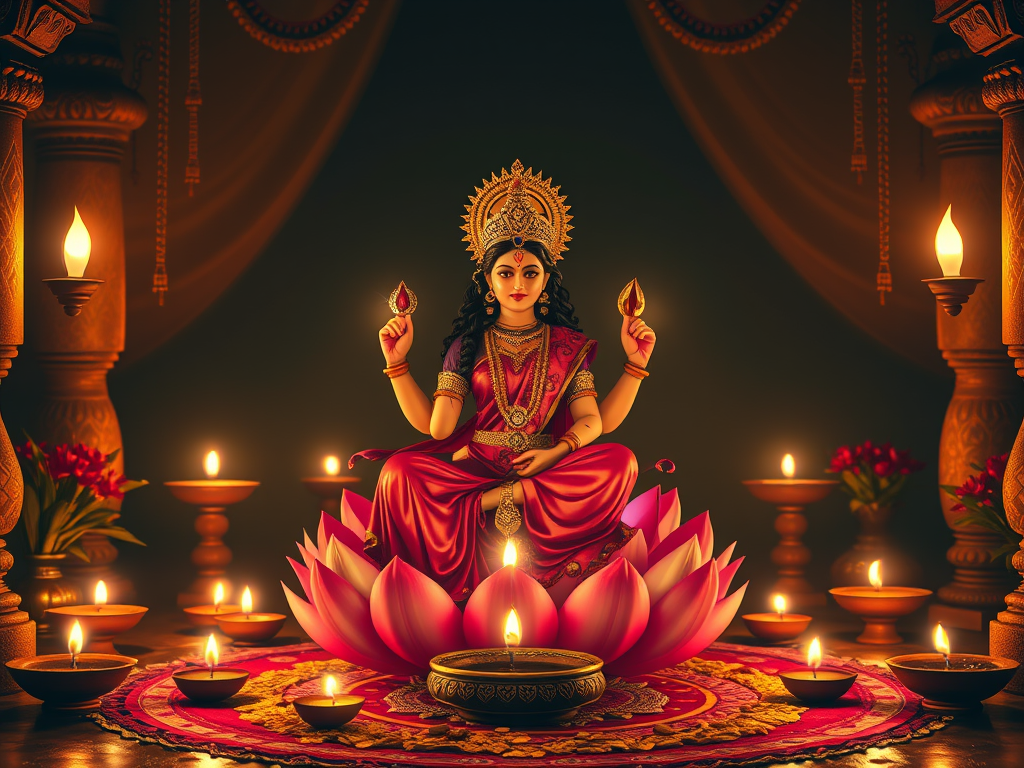
Lakshmi Puja takes place on the third day of Diwali during the evening hours known as Pradosh Kaal, when energies are said to be strongest. Families clean their homes, decorate doorways with rangoli, and light diyas to invite the Goddess. Gold coins, rice, and lotus flowers are placed before her idol or picture, representing fertility, success, and spiritual prosperity.
It is believed that Goddess Lakshmi visits only clean, peaceful, and brightly lit homes. Hence, households remain illuminated throughout the night to welcome her divine energy.
The Spiritual Meaning Behind the Worship
Worshipping Lakshmi on Diwali is not merely about asking for material wealth. It represents cleansing the self of greed, ego, and ignorance. It honors the divine feminine energy that sustains creation. It balances Artha, or wealth, with Dharma, the righteous use of wealth. It also reminds people to be grateful for what they already have.
In essence, Lakshmi Puja teaches that true prosperity lies in inner contentment and ethical living, not in accumulation alone.
Goddess Lakshmi’s worship on Diwali night celebrates more than fortune. It celebrates purity, light, and balance. When lamps are lit and prayers are offered, they symbolize human effort aligning with divine grace. The night becomes one of wealth, gratitude, humility, and renewal.
FAQs
Can Goddess Lakshmi bless both material and spiritual prosperity?
Yes, her energy brings both wealth and inner peace when worship is done with sincerity.
Can Lakshmi Puja be done at home by anyone?
Yes, anyone with faith, cleanliness, and devotion can perform it.
Can Lakshmi leave a home that remains untidy or dark?
Yes, belief says she favors homes that are pure, calm, and filled with light.
Can Diwali be complete without Lakshmi Puja?
No, her worship forms the heart of Diwali traditions across India.
Can wealth grow through righteous deeds according to Lakshmi’s teachings?
Yes, she blesses those who earn and share wealth through honesty and dharma.
Author


Discover more from Southwala
Subscribe to get the latest posts sent to your email.