Southwala Shorts
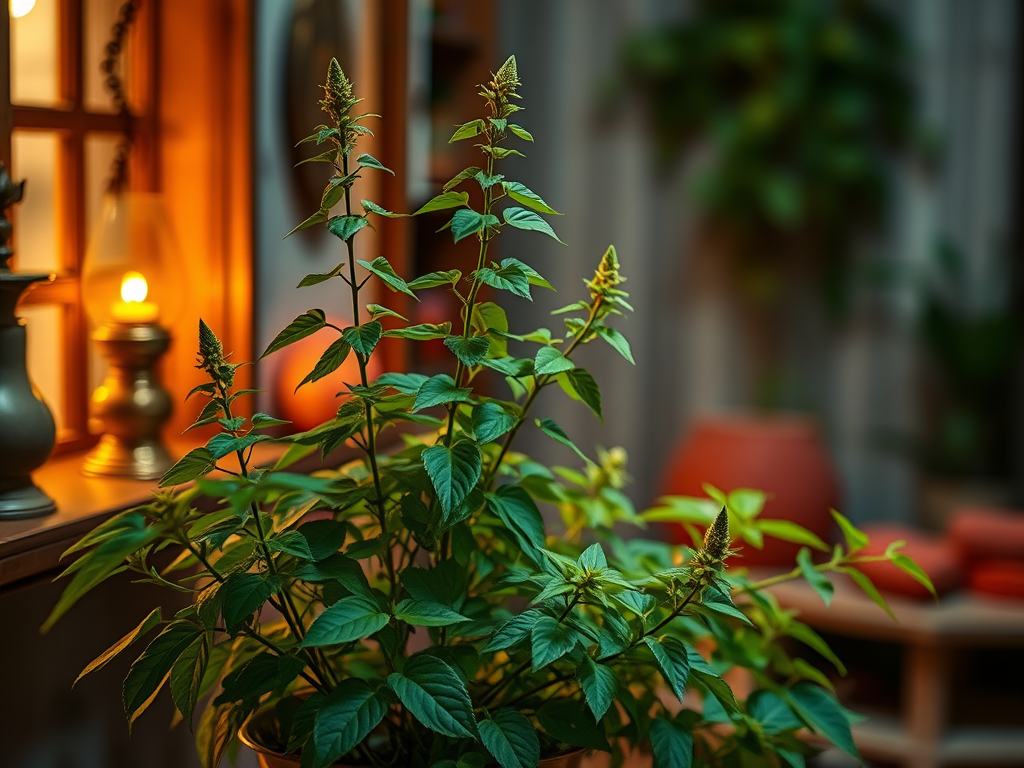
- The Tulsi plant, known as Holy Basil, holds a sacred place in almost every Indian household.
- It is more than a plant; it’s a blend of faith, health, and heritage.
- From ancient rituals to modern wellness, Tulsi continues to be an inseparable part of Indian life.
- Tulsi is believed to purify the home and protect it from negative energy.

The Tulsi plant, known as Holy Basil, holds a sacred place in almost every Indian household. It is more than a plant; it’s a blend of faith, health, and heritage. From ancient rituals to modern wellness, Tulsi continues to be an inseparable part of Indian life.
Symbol of Purity and Protection
Tulsi is believed to purify the home and protect it from negative energy. In Hindu culture, the plant is considered the earthly form of Goddess Lakshmi, the goddess of wealth and prosperity. Many families place Tulsi near the main entrance or in courtyards, symbolizing purity, devotion, and spiritual energy within the home.
Lighting a lamp near the Tulsi plant every evening is seen as a way to invite peace and divine blessings.
Health Benefits Passed Through Generations
Long before modern medicine, Indian households understood Tulsi’s healing power. Ayurvedic texts describe it as an herb that balances the body and mind.
- Boosts Immunity: Tulsi leaves help the body fight infections and strengthen natural defenses.
- Supports Breathing Health: It relieves cough, cold, and asthma symptoms.
- Reduces Stress: Tulsi has adaptogenic properties that calm the nervous system.
- Improves Digestion: Tulsi tea aids metabolism and gut health.
In many homes, Tulsi leaves are still added to tea, home remedies, or even holy water a tradition that blends health and spirituality seamlessly.
Connection Between Tulsi and Daily Worship
For centuries, the Tulsi plant has been treated as a living deity. Families perform daily prayers and water the plant as an act of devotion. The ritual isn’t just symbolic; it creates mindfulness and routine discipline.
In many Indian homes, the Tulsi Vrindavan, a small stone or brick structure, becomes the spiritual heart of the courtyard. It’s where prayers for family well-being and prosperity are offered.
Environmental and Scientific Importance
Beyond religion, Tulsi contributes to a healthy environment. The plant releases oxygen throughout the day and helps purify the air. In crowded urban areas, households that maintain Tulsi plants often report cleaner indoor air and reduced mosquito presence.
Researchers also recognize Tulsi’s natural antibiotic and antifungal qualities, making it valuable in both traditional and modern medicine.
Cultural Continuity and Modern Relevance
In today’s fast-paced world, Tulsi still finds its place not just in temples or courtyards but also in urban balconies and apartments. For many Indians living abroad, keeping a Tulsi plant reconnects them to their roots. It stands as a reminder of simplicity, health, and spiritual grounding amid modern chaos.
Tulsi represents the perfect balance between faith and science. It is sacred, medicinal, and deeply woven into India’s cultural DNA. Every Tulsi plant in a household tells a story of devotion, healing, and the eternal bond between humans and nature.
FAQs
Can Tulsi bring positive energy to a home?
Yes, it is believed to purify surroundings and invite harmony and peace.
Can Tulsi improve health naturally?
Yes, Tulsi supports immunity, digestion, and stress control through its medicinal properties.
Can Tulsi be kept indoors?
Yes, it grows well in sunlight near windows or balconies where it gets fresh air.
Can Tulsi help purify the air?
Yes, it releases oxygen and absorbs toxins, improving air quality around it.
Can non-Hindu families keep Tulsi at home?
Yes, many people grow Tulsi for its health and environmental benefits, beyond religious belief.
Author


Discover more from Southwala
Subscribe to get the latest posts sent to your email.