Southwala Shorts
- Dogs come in many shapes and sizes, and one striking feature in certain breeds is their droopy eyes.
- Breeds like Bloodhounds, Basset Hounds, and Saint Bernards are instantly recognizable for their long, sagging eyelids.
- While this feature looks unique, it has both natural and medical reasons behind it.
- Some breeds are deliberately bred for droopy eyes.

Dogs come in many shapes and sizes, and one striking feature in certain breeds is their droopy eyes. Breeds like Bloodhounds, Basset Hounds, and Saint Bernards are instantly recognizable for their long, sagging eyelids. While this feature looks unique, it has both natural and medical reasons behind it.
Natural Breed Characteristics
Some breeds are deliberately bred for droopy eyes.
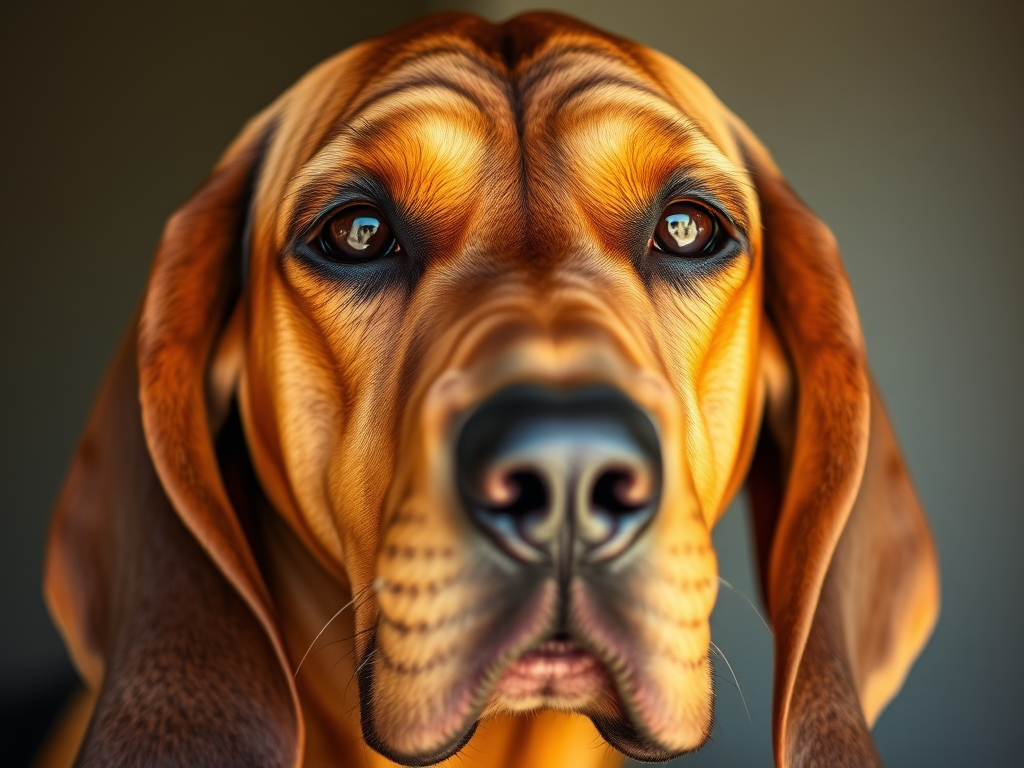
- Bloodhounds have loose facial skin and droopy eyes that enhance their scent-tracking ability. The folds trap scents, helping them follow trails.
- Basset Hounds use their sagging eyes and skin folds to keep smells close to their nose.
- Saint Bernards developed droopy eyes as part of their distinct facial structure.
In these breeds, droopy eyes are considered a normal and even desirable trait.
Role of Genetics
Droopy eyelids are linked to genetics and selective breeding. Over generations, breeders emphasized features such as loose skin, long ears, and sagging eyes to create recognizable appearances. This trait is not a sign of weakness but a result of design for specific purposes like hunting or guarding.
Medical Conditions Linked to Droopy Eyes
While droopy eyes are normal in some breeds, they can also signal medical issues in others.
- Ectropion: The eyelid rolls outward, exposing the inner eyelid and causing irritation.
- Cherry Eye: The gland in the third eyelid becomes inflamed and protrudes.
- Conjunctivitis: Droopy eyelids can increase risk of infections due to dust and dryness.
These conditions may require veterinary care, especially if accompanied by redness, swelling, or discharge.
Impact on Vision and Comfort
Dogs with droopy eyes may:
- Suffer from excessive tearing.
- Experience dry eyes because the eyelids don’t close completely.
- Face higher chances of eye infections.
Regular cleaning and check-ups help prevent long-term discomfort.
Caring for Dogs With Droopy Eyes
Owners of droopy-eyed breeds should:
- Gently clean the area around the eyes to remove dirt and tears.
- Watch for redness, swelling, or discharge.
- Seek veterinary advice if irritation persists.
- Ensure proper diet and hydration, as overall health affects eye condition.
Droopy eyes in dogs are often a natural result of breed traits and genetics, but they can also point to medical conditions in some cases. While the look makes certain breeds unique, owners should balance admiration with care, ensuring the eyes remain healthy and free from infections.
FAQs
1. Can droopy eyes be normal in some dogs?
Yes, breeds like Bloodhounds and Basset Hounds naturally have them.
2. Can droopy eyes cause health issues?
Yes, they can lead to dryness, tearing, or infections.
3. Can genetics influence droopy eyes?
Yes, selective breeding plays a major role.
4. Can cleaning help droopy-eyed dogs stay healthy?
Yes, gentle cleaning reduces the risk of infection.
5. Can droopy eyes in non-droopy breeds be a concern?
Yes, sudden sagging may point to medical problems needing a vet check.
Author


Discover more from Southwala
Subscribe to get the latest posts sent to your email.