Southwala Shorts
- Artificial Intelligence is no longer a distant idea from science fiction movies.
- It has quietly slipped into every corner of our daily lives from the moment you wake up to the time you sleep.
- You may not see it, but it watches, learns, and decides on your behalf every single day.
- The truth is, AI has become the silent infrastructure of the modern world, shaping our habits, choices, and even opinions without asking for permission.

Artificial Intelligence is no longer a distant idea from science fiction movies. It has quietly slipped into every corner of our daily lives from the moment you wake up to the time you sleep. You may not see it, but it watches, learns, and decides on your behalf every single day.
The truth is, AI has become the silent infrastructure of the modern world, shaping our habits, choices, and even opinions without asking for permission.
1. Morning: The Digital Alarm That Knows You Better
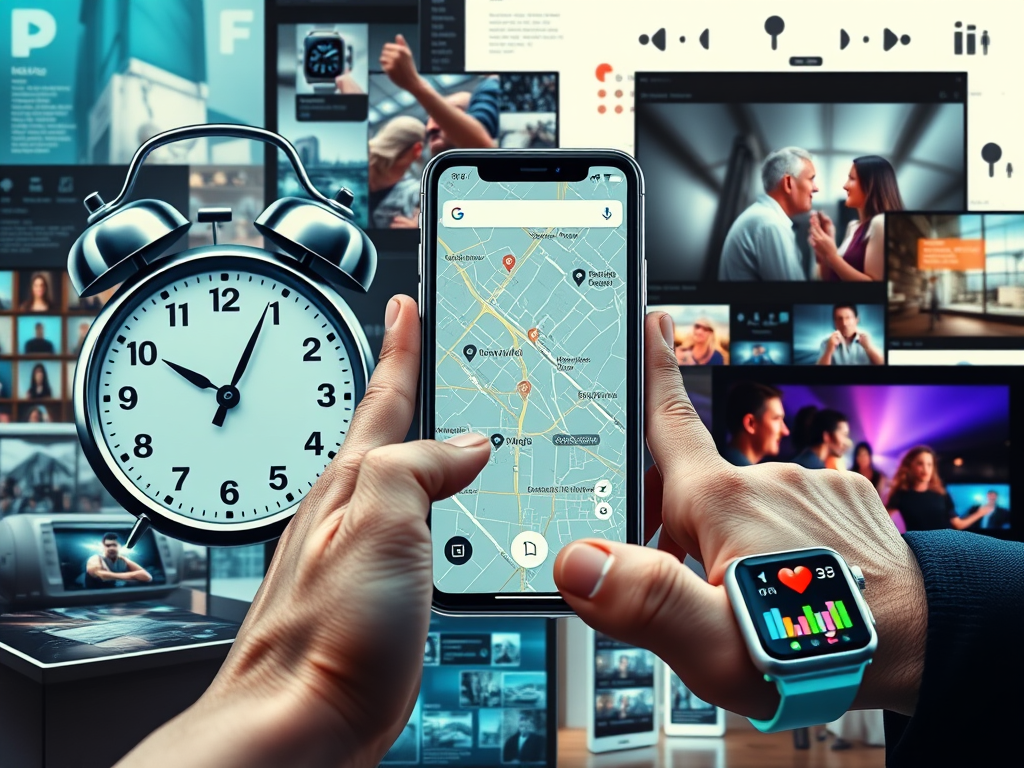
Every time your phone adjusts your alarm after sensing a late-night schedule or predicts traffic to wake you up early, that’s AI at work.
- Google Assistant or Siri doesn’t just follow commands; it learns your voice tone, timing, and daily pattern.
- Smartwatches track your sleep, body movement, and oxygen levels, then advise on wake-up routines or workouts.
Case study: In India, wearable tech adoption has surged by over 56% since 2021, led by brands like Noise, Fire-Boltt, and boAt, all using AI for health insights and predictive suggestions.
2. The Commute: AI Steering the City
When you open Google Maps or Ola, AI decides the fastest route, the best driver match, and even predicts demand in your area.
- Traffic lights in Bengaluru and Delhi are already using adaptive AI-based systems to reduce congestion.
- Ola and Uber algorithms run dynamic pricing models, adjusting fares based on time, traffic, and rider history.
In short, every turn you take is not your decision alone it’s a machine’s suggestion refined by millions of previous human journeys.
3. Midday: AI Behind Every Screen You See
From YouTube recommendations to Instagram reels, AI decides what you see, who you follow, and even how long you scroll.
- Every thumbnail, video, and ad you watch is pushed by AI models trained to predict your emotion and attention span.
- Netflix uses collaborative filtering algorithms, a mix of your viewing history, global trends, and device usage, to design your watchlist.
In India, the average user spends over 3 hours daily on short-form video apps. That screen time is not random. It’s engineered attention.
4. Afternoon: AI in Emails, Food, and Office Work
AI doesn’t stop at entertainment it also handles your work and lunch.
- Gmail’s “Smart Compose” finishes sentences based on your tone of writing.
- Swiggy and Zomato use AI for predicting order delays, meal recommendations, and even pricing combos dynamically.
- Microsoft 365 and Google Workspace embed AI to auto-format slides, summarize documents, or suggest grammar fixes.
In short, every digital action is being shaped, corrected, and enhanced silently and efficiently.
5. Evening: AI in Your Bank, Home, and Shopping
From your mobile banking app flagging a suspicious transaction to your smart TV suggesting the next movie, AI quietly runs the household.
- Banks and fintechs in India like HDFC, Axis, and Paytm rely on AI for credit risk analysis and fraud detection.
- Amazon and Flipkart use recommendation engines that analyze your last 100 clicks before showing a product.
- Smart home devices like Alexa and Google Nest manage lights, temperature, and security cameras using behavioral prediction.
Even your shopping bill, power usage, and EMI alerts are managed by an AI prediction model somewhere in the background.
6. Night: The Silent Guardian of Data and Safety
AI continues even after you log off. Cybersecurity tools, spam filters, and malware detectors are all AI-driven systems that never sleep.
- Spam filters in Gmail or Outlook use machine learning to detect patterns in language and sender behavior.
- Anti-fraud systems in e-commerce and payment gateways analyze transactions in milliseconds for anomalies.
So while you rest, algorithms remain awake learning from your day to protect you tomorrow.
7. The Ethical Mirror: The Cost of Convenience
AI makes life easier, but it also creates a subtle dependency. Every decision given to a machine is a piece of autonomy surrendered.
India’s AI policy framework is still evolving, but global discussions now question algorithmic bias, data privacy, and digital addiction.
The cost of convenience is often invisible personal data traded for predictive comfort.
8. The Future: Humans as the New “Input”
As AI becomes more personalized, humans are no longer just users; they are data sources. Every click, search, and pause feeds a model somewhere.
By 2030, India’s AI economy could touch USD 500 billion, but with that scale comes the responsibility to design ethical, explainable systems that don’t manipulate choices.
The next decade will be less about AI replacing humans and more about AI quietly steering them.
FAQs
1. Is AI already active in daily activities without being noticed?
Yes. From phone unlock patterns to recommended playlists, AI runs unnoticed across almost every device and service used daily.
2. Does AI listen to or record personal information all the time?
AI-based apps only process data necessary for functions, but the privacy risk depends on user permissions and how companies store that data.
3. Can AI make wrong predictions or biased decisions?
Yes. AI learns from data patterns, and if that data carries human bias or incomplete information, it can produce unfair results.
4. Are Indian companies building their own AI tools or using imported ones?
A mix of both. Major Indian players like Infosys, TCS, and Zoho have in-house AI tools, while many startups rely on models from Google, OpenAI, or Amazon.
5. How can one reduce dependency on AI?
By making deliberate choices, limiting personalized recommendations, turning off auto-suggestions, and using privacy-focused tools.
Author


Discover more from Southwala
Subscribe to get the latest posts sent to your email.