

Southwala Shorts
- Diwali is often called the Festival of Lights.
- But beneath the lamps and crackers lies a deeper truth like India doesn’t celebrate one Diwali; it celebrates many.
- From the burning of Narakasura in the South to the worship of Goddess Kali in the East, the festival takes on a new meaning every...
- This isn’t a story of difference; it’s a story of how a single idea, the triumph of good over evil, takes multiple forms across a...

Diwali is often called the Festival of Lights. But beneath the lamps and crackers lies a deeper truth like India doesn’t celebrate one Diwali; it celebrates many. From the burning of Narakasura in the South to the worship of Goddess Kali in the East, the festival takes on a new meaning every few hundred kilometres.
This isn’t a story of difference; it’s a story of how a single idea, the triumph of good over evil, takes multiple forms across a country built on diversity.
1. North India: Return of Ram and the Glow of Ayodhya
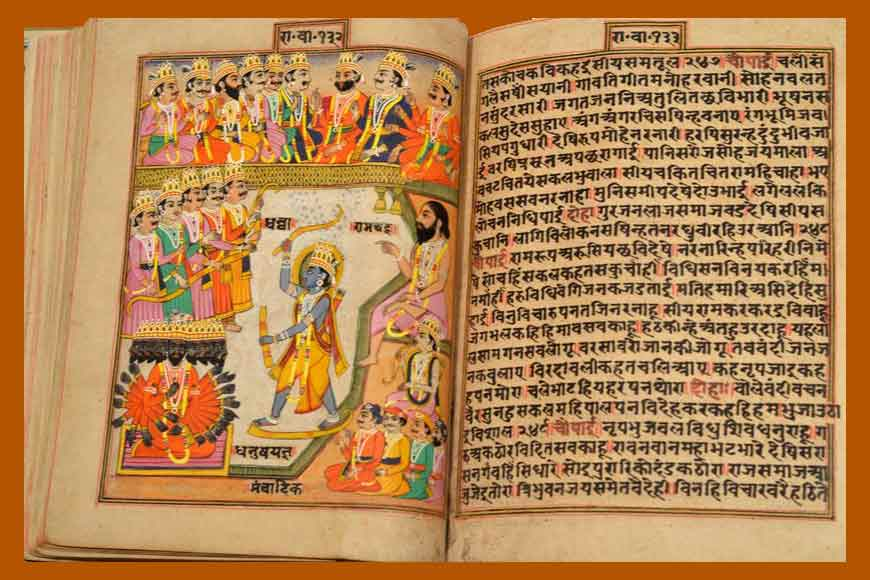
In most of North India, Diwali celebrates Lord Rama’s return to Ayodhya after 14 years of exile. The city lights up with diyas to mark his homecoming after defeating Ravana.
- Cities like Ayodhya, Varanasi, and Jaipur become a spectacle of light and colour.
- Lakshmi Puja dominates the evening, symbolising prosperity and wealth.
- Homes undergo massive cleaning not just for hygiene, but as a belief that Goddess Lakshmi only visits the clean and the pure.
Cultural note: Ayodhya set a world record in 2023 with over 22 lakh diyas lit along the banks of the Saryu River, turning the city into a sea of golden light.
2. South India: Victory of Krishna and the Spirit of Naraka Chaturdashi
In the southern states Tamil Nadu, Karnataka, Andhra Pradesh, and Kerala, Diwali begins a day earlier. Here, the focus is on Naraka Chaturdashi, marking Lord Krishna’s victory over the demon Narakasura.
- The morning starts with an oil bath, symbolising purification of body and soul.
- Crackers burst early in the dawn light, signifying the destruction of darkness.
- Families prepare sweets like Deepavali legiyam in Tamil Nadu, believed to aid digestion after the festive feast.
Cultural note: In Andhra Pradesh, Diwali is more spiritual than decorative. The emphasis is on rituals, temple offerings, and early celebrations rather than late-night fireworks.
3. West India: Lakshmi, Business, and New Beginnings
In Gujarat, Maharashtra, and parts of Rajasthan, Diwali marks not just a festival but a new financial year.
- Traders and shopkeepers perform Chopda Pujan, a ritual where new account books are opened in front of Goddess Lakshmi.
- The focus lies on prosperity, business growth, and clean financial beginnings.
- In Maharashtra, families celebrate Vasu Baras (honouring cows) and Bali Pratipada (symbolising King Bali’s devotion).
Cultural note: Gujarat’s markets stay open all night during Diwali week. The sight of shopkeepers offering sweets to customers is a blend of faith and finance unique to this region.
4. East India: The Power of Kali and the Midnight Fire
In West Bengal, Odisha, and Assam, Diwali becomes Kali Puja, a powerful night devoted to Goddess Kali.
- Homes and temples light up in red and gold as people worship the fierce form of Shakti.
- Offerings include rice, sweets, and even symbolic sacrifices (in ancient traditions).
- The atmosphere is less about wealth and more about shakti (power), protection, and purification.
Cultural note: Kolkata’s Kali Puja pandals rival Durga Puja in grandeur. Each locality competes to build the most stunning representation of the goddess.
5. Central and Rural India: The Folk Spirit of Light
In regions like Madhya Pradesh, Chhattisgarh, and the tribal belts of Odisha and Jharkhand, Diwali takes on a rustic charm.
- Villagers light lamps not just for gods but for ancestors, believing they return to visit homes during this period.
- Folk dances, cattle decorations, and local fairs add community flavour to the festival.
- It’s as much about connection with the land as it is about divine celebration.
Cultural note: In Bastar and parts of tribal Chhattisgarh, Diwali blends with local harvest rituals. It’s not a single-night festival but a week-long expression of gratitude to nature.
6. Beyond Religion: A Shared Celebration of Light
Over time, Diwali has moved beyond religion. In urban India, it has become a festival of community, relationships, and shared happiness.
- Muslim and Christian families often join neighbours in lighting diyas.
- Offices host eco-friendly or cracker-free Diwalis to promote sustainability.
- Cities like Mumbai and Delhi now see rooftop parties replacing traditional fireworks, a reflection of modern India’s evolving conscience.
Cultural note: In recent years, several cities have promoted green Diwali campaigns, urging citizens to light lamps, not rockets.
7. The Global Echo: Diwali as India’s Cultural Ambassador
Across the world, Diwali has become India’s cultural signature.
- From the White House in the USA to Buckingham Palace in the UK, Diwali is now officially recognised and celebrated.
- In Singapore, Fiji, and Mauritius, it’s a national holiday.
- Indian diaspora communities use Diwali as a bridge between tradition and modern identity, keeping roots alive while embracing global life.
8. The Unifying Thread: Darkness Ends Everywhere the Same Way
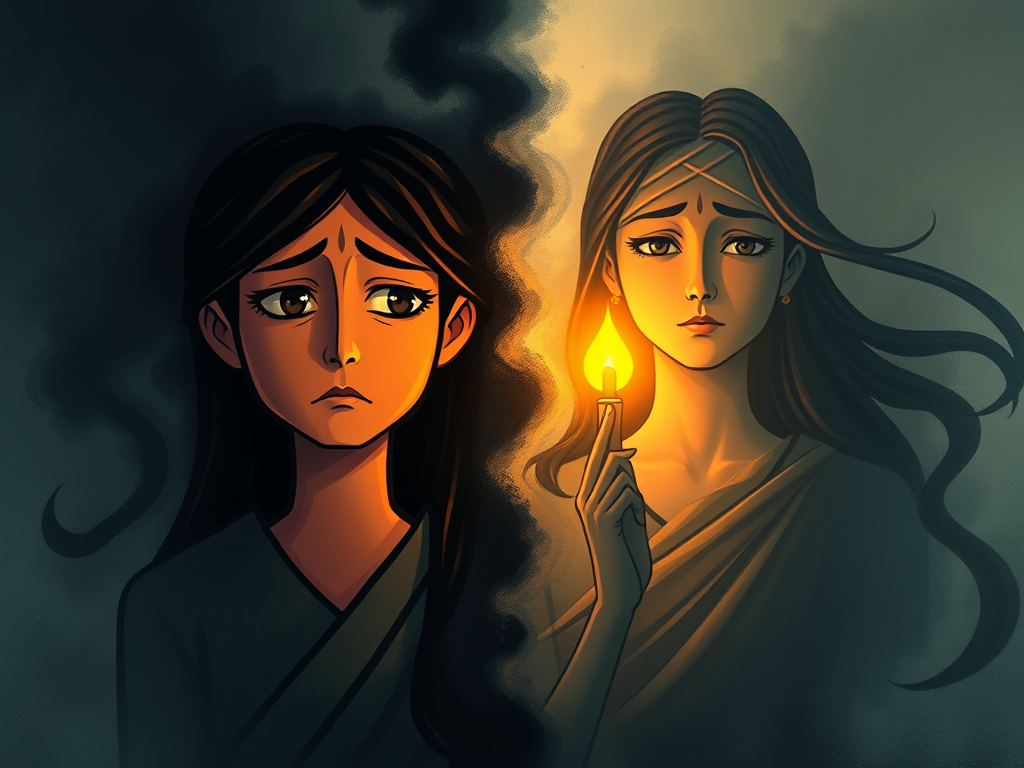
Despite regional differences, every version of Diwali carries a shared message like the triumph of light over darkness.
Whether it’s Rama’s victory, Kali’s strength, or Krishna’s valor, each form reflects a moral awakening.
India doesn’t celebrate Diwali in one way because India itself is not one story.
It’s a thousand traditions stitched together by a single flame.
FAQs
1. Is Diwali celebrated on the same day across India?
The dates often differ by a day between regions due to local lunar calculations and the sequence of rituals followed.
2. Do all regions worship the same deity during Diwali?
No. Some focus on Lord Rama, others on Goddess Lakshmi, Goddess Kali, or Lord Krishna, depending on local traditions.
3. Is Diwali equally important for all religions in India?
While rooted in Hinduism, many Sikhs, Jains, and Buddhists observe their own versions of Diwali with distinct meanings.
4. Does Diwali have agricultural or seasonal roots?
Yes. In rural India, Diwali marks the end of the harvest season and the start of winter, celebrated as a time of renewal.
5. Can Diwali be celebrated without crackers?
Yes. Many people now choose eco-friendly Diwali lighting diyas, donate to causes, or plant trees as a form of celebration.
Author


Discover more from Southwala
Subscribe to get the latest posts sent to your email.
Fascinating!