Southwala Shorts
- Every click, scroll, or search feels effortless yet behind the glowing screen lies a massive and often invisible energy network.
- The internet, often seen as a clean and intangible technology, consumes enormous amounts of electricity through data centers, devices, and global communication infrastructure.
- The energy footprint of the internet is growing as digital life expands into streaming, AI, and cloud computing.
- Every byte of data travels through physical systems from servers in data centers to undersea cables and cellular towers.

Every click, scroll, or search feels effortless yet behind the glowing screen lies a massive and often invisible energy network. The internet, often seen as a clean and intangible technology, consumes enormous amounts of electricity through data centers, devices, and global communication infrastructure. The energy footprint of the internet is growing as digital life expands into streaming, AI, and cloud computing.
Powering the Digital World
Every byte of data travels through physical systems from servers in data centers to undersea cables and cellular towers. These systems require constant power to store, transfer, and process data.
A single Google search may use only a few watt-seconds of energy, but globally, billions of such searches happen daily. Add to that online gaming, streaming, and cryptocurrency mining, and the energy demand becomes staggering.
According to the International Energy Agency (IEA), data centers and transmission networks together consume nearly 3% of global electricity roughly equivalent to the energy used by some developed countries.
The Hidden Chain of Consumption
The internet’s energy cost is distributed across several layers:
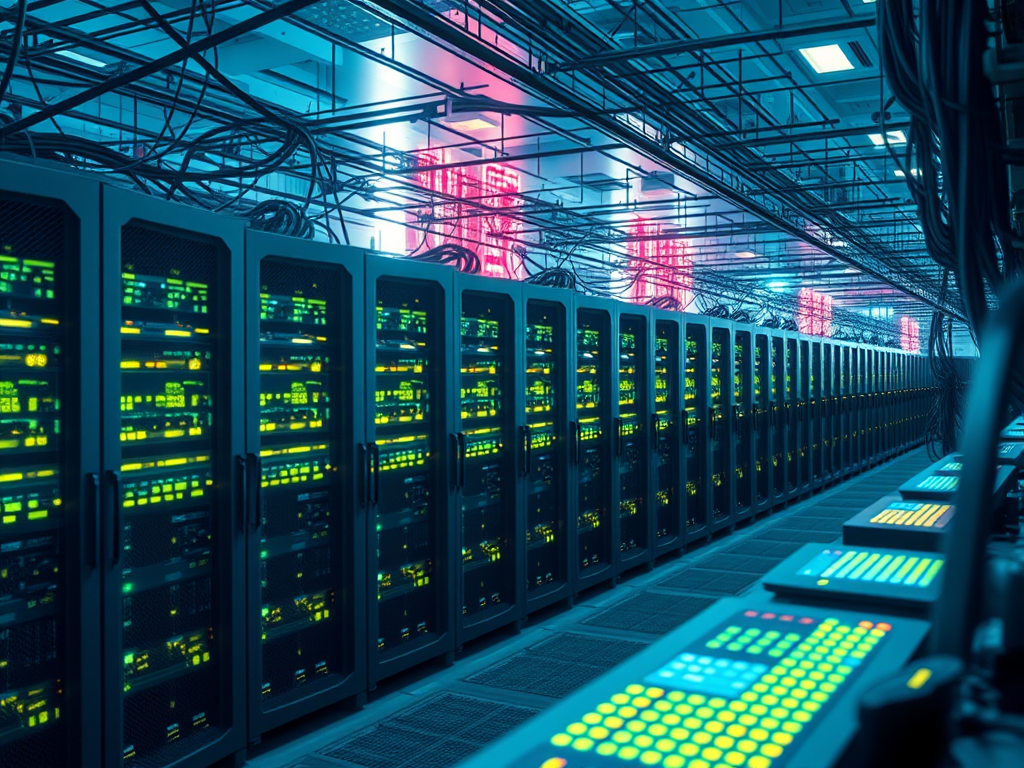
- Data Centers: The backbone of the internet. Servers run 24/7, cooled by powerful air-conditioning systems to prevent overheating.
- Network Infrastructure: Routers, fiber cables, 5G towers, and satellites that keep the internet running consume constant power.
- End Devices: Smartphones, laptops, smart TVs, and IoT devices collectively use more energy than most people realize.
- Streaming Platforms: Video streaming is one of the heaviest contributors. An hour of HD streaming on Netflix or YouTube can use the same energy as powering a light bulb for several days.
AI and the Rise of Data Demand
Artificial Intelligence has introduced a new layer of energy use. Large Language Models (LLMs), image generation systems, and AI-driven analytics require extensive computational power.
Training a single AI model can consume as much electricity as hundreds of homes use in a year. Once deployed, running queries or generating images still demands energy from data centers that rely on cooling and high-performance GPUs.
As AI becomes more mainstream, the environmental cost of computation is emerging as one of the biggest digital challenges of this decade.
The Climate Connection
The energy used by the internet indirectly contributes to carbon emissions, especially in regions dependent on coal or natural gas for electricity.
Data centers in countries with cleaner energy grids, such as Iceland or Norway, have smaller carbon footprints compared to those in coal-dependent regions. The global push toward renewable-powered data centers is now essential to balance digital growth with climate goals.
Companies like Google, Microsoft, and Amazon are investing in carbon-neutral or 100% renewable-powered facilities. However, the global internet infrastructure still leans heavily on fossil-based grids.
Reducing the Digital Footprint
Reducing energy consumption does not mean abandoning digital life. Instead, it requires smarter design, better efficiency, and cleaner power.
- Using energy-efficient data centers and cloud storage.
- Caching data closer to users to cut transmission power.
- Designing software that minimizes computational load.
- Encouraging renewable-powered internet infrastructure.
- Making individual digital habits more conscious lowering video resolution, limiting background apps, or upgrading to efficient devices.
These small changes, scaled globally, can lead to meaningful impact.
The internet feels weightless, but its energy footprint is anything but invisible. Every click carries a cost in watts, in heat, and in carbon. As AI, 5G, and streaming dominate our daily lives, digital consumption needs to evolve with responsibility. The future of connectivity must align with sustainability, a smarter internet that grows without draining the planet.
FAQs
Can the internet run on renewable energy?
Yes, many data centers are already transitioning to solar, wind, or hydro power to cut carbon emissions.
Can streaming use a lot of energy?
Yes, high-definition and 4K videos consume large amounts of data, leading to higher energy use in data centers.
Can AI increase energy demand online?
Yes, training and running AI systems require huge computational resources that raise overall electricity consumption.
Can individual users help reduce digital energy use?
Yes, using lower video quality, deleting unused data, and turning off background apps all reduce energy consumption.
Can companies make the internet more sustainable?
Yes, through energy-efficient hardware, cleaner data centers, and renewable energy adoption, major companies can drastically cut their digital carbon footprint.
Author


Discover more from Southwala
Subscribe to get the latest posts sent to your email.