Southwala Shorts
- Sleep is often seen as a full-night activity.
- People are told that eight hours of continuous rest is the golden rule for good health.
- Yet many admit that a short nap in the middle of the day leaves them feeling fresher and more alert than a long night’s rest.
- Science, culture, and the body’s natural rhythms explain why this happens.

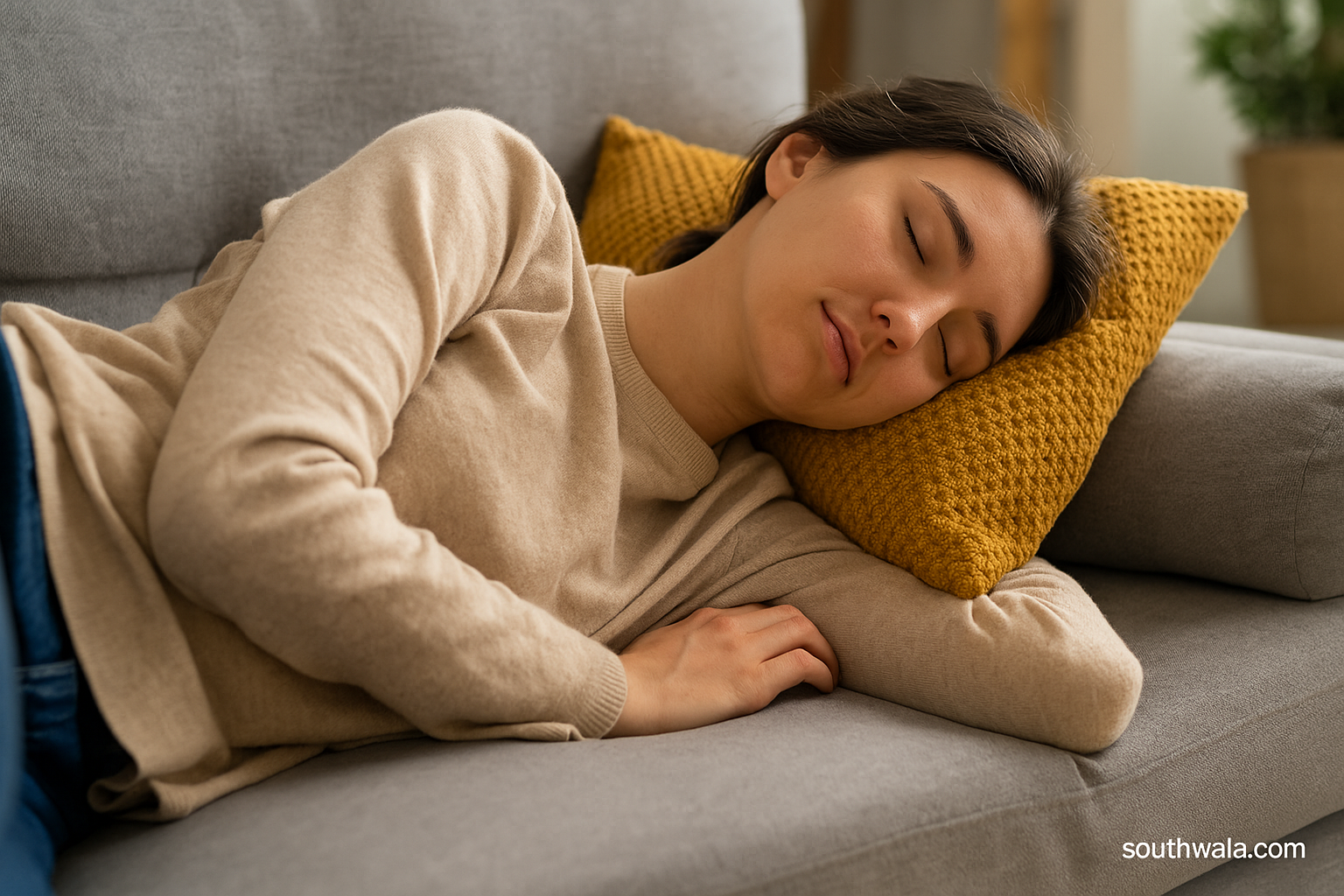
Sleep is often seen as a full-night activity. People are told that eight hours of continuous rest is the golden rule for good health. Yet many admit that a short nap in the middle of the day leaves them feeling fresher and more alert than a long night’s rest. Science, culture, and the body’s natural rhythms explain why this happens.
The Role of Sleep Cycles
Human sleep is not one straight block of rest. It runs in cycles of about ninety minutes, moving through light sleep, deep sleep, and dream-filled REM sleep. Waking up in the middle of a deep sleep phase often leads to grogginess. A nap, on the other hand, usually keeps you in light sleep, so you wake up refreshed without the heavy feeling that comes after long sleep interruptions.
The Body Clock Connection
The human body follows an internal clock known as the circadian rhythm. This rhythm naturally creates a drop in alertness in the afternoon, often between 1 PM and 3 PM. A nap during this window aligns perfectly with the body’s natural need for rest, making it feel more satisfying than forced nighttime sleep that might get disturbed.
The Brain’s Cleaning Process
Sleep gives the brain a chance to clear waste through a process called the glymphatic system. Short naps are enough to activate this cleaning in small bursts, making the mind feel sharper. A long night of poor-quality sleep might not always activate this system properly, leaving you tired even after hours in bed.
Energy Reset in Minutes
A nap is like pressing the refresh button. In as little as twenty minutes, the brain restores alertness, improves focus, and balances mood. Eight hours of restless or broken sleep cannot match the quick reset that a focused nap delivers. This is why many high-performing professionals, athletes, and even leaders have built naps into their daily schedules.
Cultural Roots of Napping
Civilizations have long known the power of naps. The “siesta” in Spain, the “power nap” in Japan, and even ancient Indian practices of midday rest reflect how cultures worked with the body’s natural needs. Modern science is only proving what tradition had already figured out that a nap can sometimes serve better than a long night’s sleep.
Related Thought: Rest as Performance Fuel
Sleep is not just about duration. It is about timing, rhythm, and quality. A well-timed nap can act as fuel for productivity, creativity, and emotional balance. The more we understand this, the better we can use rest as a tool for healthier living.
FAQs
1. How long should a nap be for best results?
A nap of 20 to 30 minutes works best. It avoids deep sleep and helps you wake up feeling fresh.
2. Can naps replace a full night’s sleep?
No. Naps are powerful but they cannot replace the body’s need for complete rest cycles that happen at night.
3. Why do some people feel worse after a nap?
This happens when a nap is too long and the body enters deep sleep. Waking up from that stage causes grogginess.
4. Is it healthy to nap every day?
Yes, if kept short. Regular naps improve focus, lower stress, and even reduce the risk of heart problems according to research.
5. Does coffee before a nap really work?
Yes. A quick coffee before a nap, known as a “coffee nap,” lets caffeine kick in just as you wake up, making you feel even more alert.
Author


Discover more from Southwala
Subscribe to get the latest posts sent to your email.